unilad homepage
  • News
    • UK News
    • US News
    • World News
    • Crime
    • Health
    • Money
    • Sport
    • Travel
  • Film and TV
    • Netflix
  • Music
  • Tech
  • Features
  • Celebrity
  • Politics
  • Advertise
  • Terms
  • Privacy & Cookies
  • LADbible Group
  • LADbible
  • SPORTbible
  • GAMINGbible
  • Tyla
  • UNILAD Tech
  • FOODbible
  • License Our Content
  • About Us & Contact
  • Jobs
  • Latest
  • Archive
  • Topics A-Z
  • Authors
Facebook
Instagram
X
Threads
TikTok
YouTube
Submit Your Content
Heartbreaking story of dog taken from the streets and sent on a one-way trip into space

Home> News> Animals

Updated 17:33 5 Apr 2025 GMT+1Published 16:53 5 Apr 2025 GMT+1

Heartbreaking story of dog taken from the streets and sent on a one-way trip into space

The poor pooch was just three-years-old when she was enrolled on an intense space training programme

Ella Scott

Ella Scott

google discoverFollow us on Google Discover
Featured Image Credit: Fine Art Images/Heritage Images/Getty Images

Topics: Science, Animals, Space

Ella Scott
Ella Scott

Advert

Advert

Advert

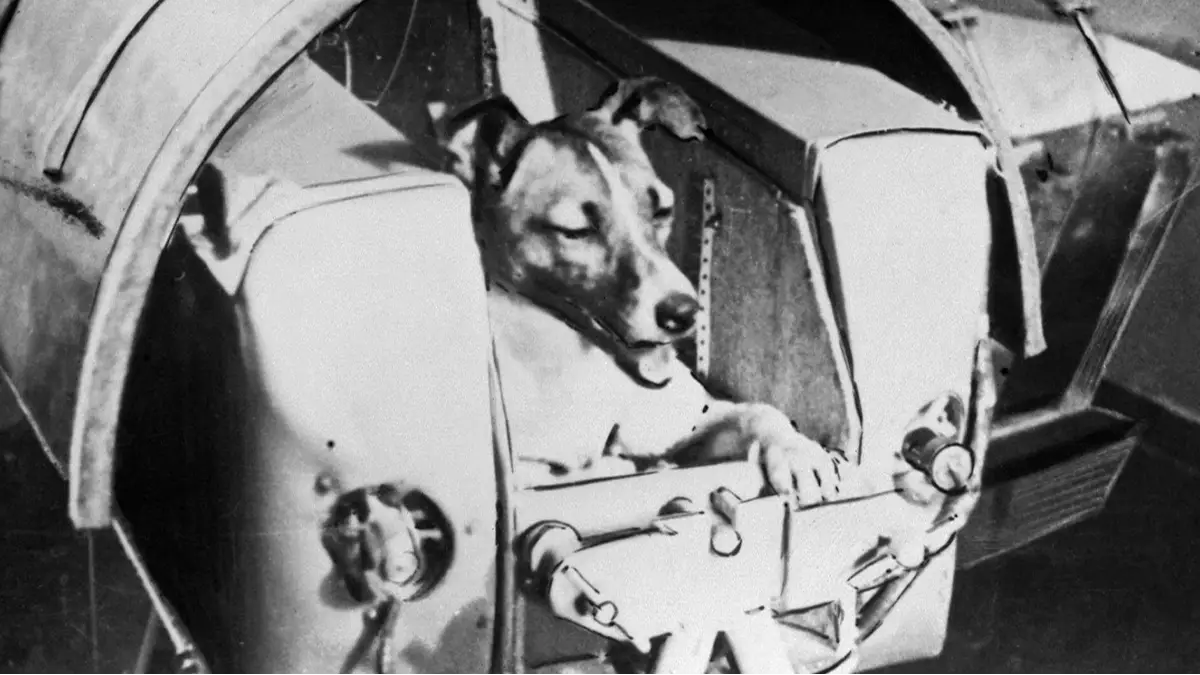
It’s almost been seventy years since Laika the space dog was sent to orbit the Earth on a tragically designed one-way trip.

A friendly stray captured on the streets of Russia, Laika was thought to be around three-years-old when scientists declared her the perfect test animal for their space-based plans.

The idea was that the terrier mix - whose original name was Kudryavka - would be launched into the atmosphere to help inform whether humans would survive an exploration attempt.

The young pooch was praised for her nice nature and was forced to embark on weeks of space training - this included getting her used to sitting in small crates, cages and living in tiny confined spaces.

Advert

Eventually, experts deemed Laika ready for her maiden voyage into space, strapping her into Russia’s Sputnik 2 container on November 3, 1957.
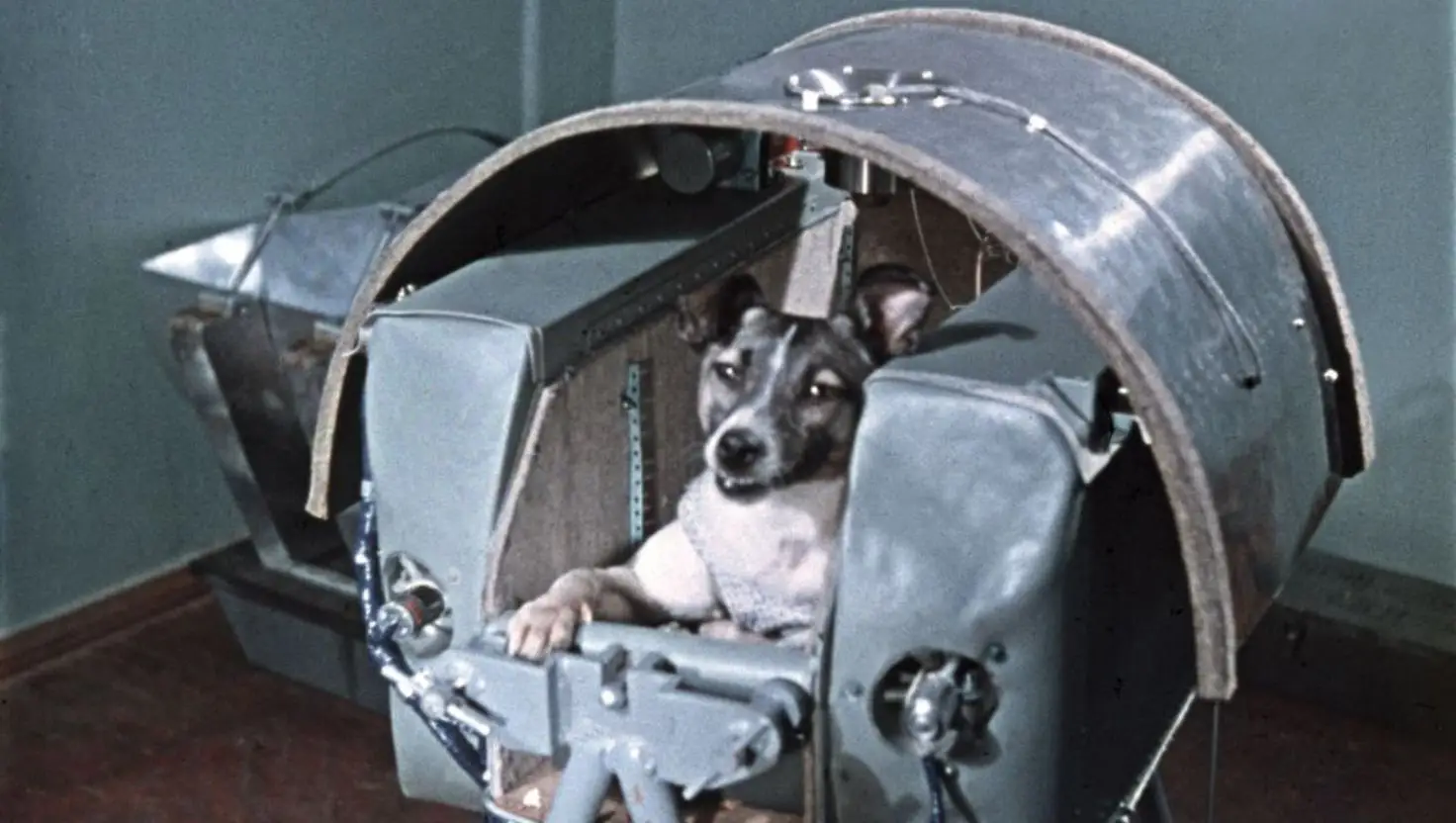
The friendly terrier-mix was just three-years-old and living on the streets of Russia (Sovfoto/Universal Images Group via Getty Images)

Speaking about the canine’s final moments on Earth, Engineer Yevgeniy Shabarov said: "After placing Laika in the container and before closing the hatch, we kissed her nose and wished her bon voyage, knowing that she would not survive the flight.”

After hours of being inside the holding container, the dog was lifted to the top of the rocket around an hour before midnight as it blasted off.

It’s understood the tiny animal’s pulse rate tripled during takeoff and only began to come down during weightlessness. She also suffered stress and was reportedly agitated during the flight.

Laika, who is immortalised in the history books as the first-ever animal to orbit space, was sent up to show whether or not a living organism could survive the dramatic impact of being launched into orbit.

Unfortunately, Laika only survived for the first five to seven hours of the mission.
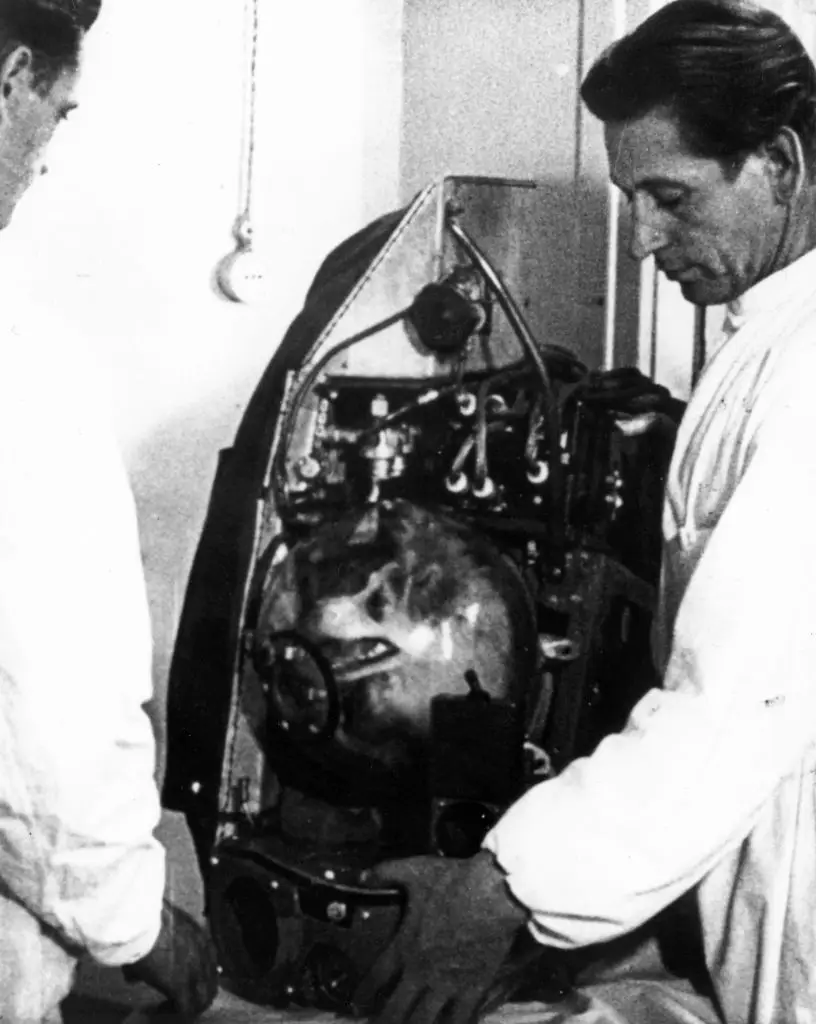
Laika is thought to have died just five hours into the experiment (Keystone/Getty Images)

On April 14, 1968, Laika’s remains re-entered the Earth’s atmosphere where they disintegrated after 162 days in orbit.

The Soviet Union gave conflicting causes of death for years, claiming everything from suffocation to a failure of the central R‑7 sustainer to separate from the payload.

But in October 2002, one of the specialists who worked on sending her up in space confirmed the real cause of her death.

Dimitri Malashenkov confirmed that Laika had died from overheating and panic by the flight's fourth orbit.

"It turned out that it was practically impossible to create a reliable temperature control system in such limited time constraints," Malashenkov explained in a paper presented to the World Space Congress.
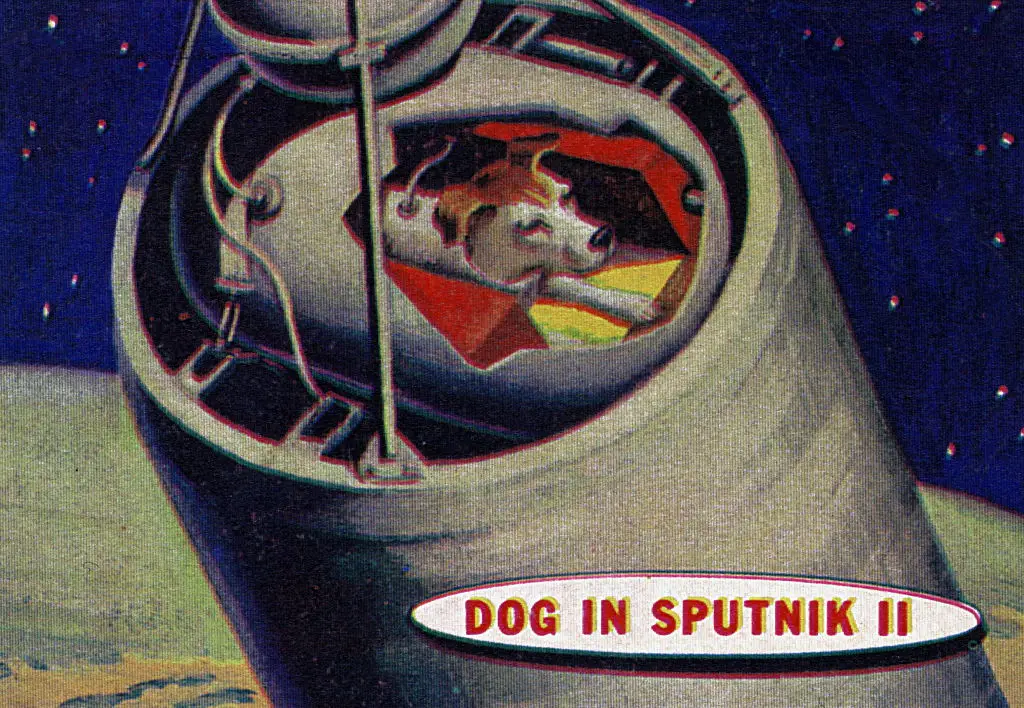
Despite Laika not surviving the journey, the mission was considered a win for the Soviet Union  (Universal History Archive/Universal Images Group via Getty Images)
Despite Laika not surviving the journey, the mission was considered a win for the Soviet Union (Universal History Archive/Universal Images Group via Getty Images)

Tragically, scientists knew Laika would have died either way around 10 days in due to lack of oxygen.

Despite the dog dying so quickly in the experiment, Sputnik 2 was classed as a win for the Soviet Union.

After sending Laika into space, the Soviet Union proceeded to send dogs Belka and Strelka in August 1960, who are remembered as the first animals to return to Earth alive.

Since then, everything from pig-tailed monkeys to tortoises, cats and even worms have been to space in the name of knowledge advancement.

Choose your content:

23 mins ago
a day ago
  • Chip Somodevilla/Getty Images
    23 mins ago

    Artemis II astronauts share concerning update as they notice unexpected malfunction moments after lift off

    Although the mission seems to be going according to plan at present, the team have had some issues with the toilet system

    News
  • Gilbert Carrasquillo/Getty Images
    a day ago

    Chuck Norris' family condemn AI videos claiming to know star's cause of death

    The family have repeatedly stated that any video making such claims is ‘entirely untrue’

    Celebrity
  • Randy Holmes via Getty Images
    a day ago

    Jack Black issues update on Tenacious D reunion after Kyle Gass’ Trump shooting controversy

    The Jumanji star gave an update regarding the band's future in a recent interview

    Celebrity
  • MS Now
    a day ago

    Pam Bondi's portrait spotted in Justice Department trash one day after Trump firing

    The President announced Bondi was being let go from her role on April 2.

    News
  • Space expert explains how 'lava tubes' could help us one day live on the Moon
  • Scientist reveals major flaws in Ryan Gosling space film Project Hail Mary and one thing it gets right
  • People are only just discovering what really happened to first dog sent to space and it's heartbreaking
  • Identical twin sent to space to see the effect it has on the human body and the results are baffling