Archaeologists Uncover 3,400-Year-Old City Under Tigris River

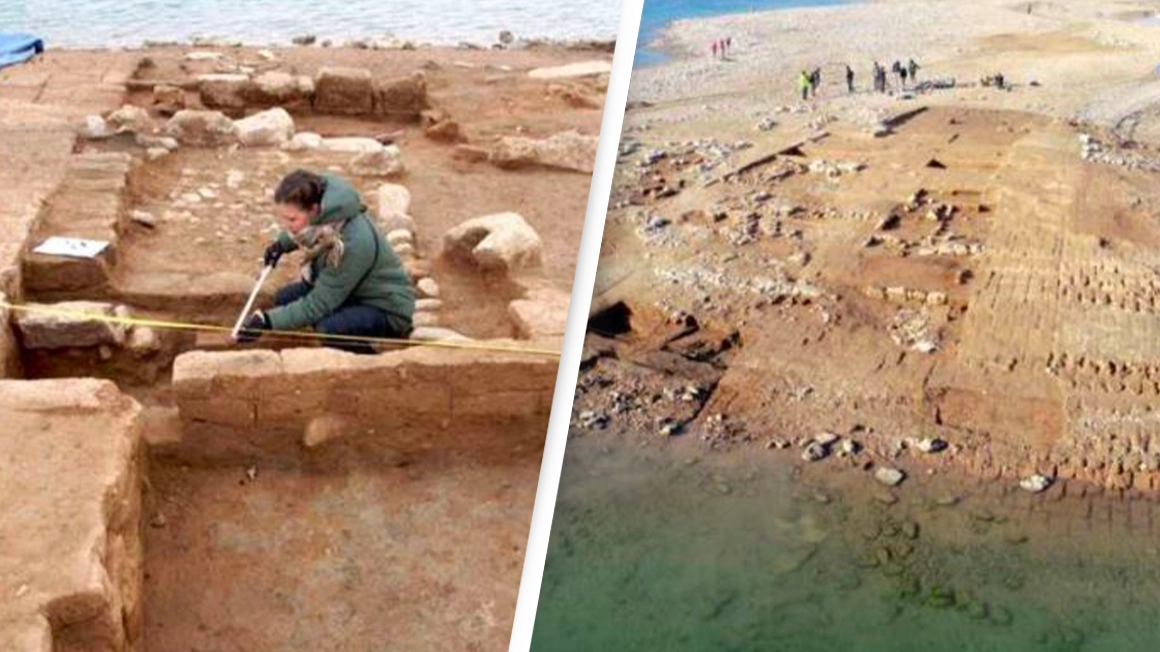
A 3,400-year-old Mittani Empire-era city has been discovered on the Tigris River in Iraq.
I'm sure I'm not the only one getting Atlantis: The Lost Empire vibes after a team of German and Kurdish archaeologists uncovered an age-old city likely to have been a part of the Mittani Empire in ca.1550–1350 BC.
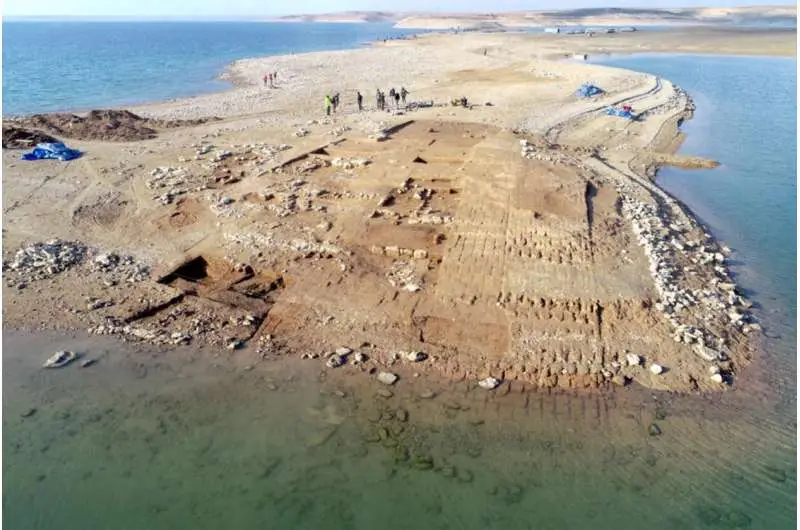
Iraq has been badly affected by climate change with extreme water droughts and in order to prevent crops from dying, the country have been forced to withdraw large amounts of water from the Mosul reservoir, which happens to be Iraq's 'most important' water storage.
Advert
While the water was sapped from the surface, a Bronze Age city that had been submerged decades ago without any prior archaeological investigations was been discovered.
The team itself included Kurdish archaeologist Dr. Hasan Ahmed Qasim, chairman of the Kurdistan Archaeology Organization, and the German archaeologists Jun.-Prof. Dr. Ivana Puljiz (University of Freiburg), Prof. Dr. Peter Pfälzner (University of Tübingen).
They were stunned by the pristine condition of some the findings, which included several large buildings, a massive fortification with wall and towers, a monumental, multi-storey storage building and an industrial complex.
"The huge magazine building is of particular importance because enormous quantities of goods must have been stored in it, probably brought from all over the region," Ivana Puljiz said, as reported by phys.org.
Hasan Qasim adds: "The excavation results show that the site was an important centre in the Mittani Empire."
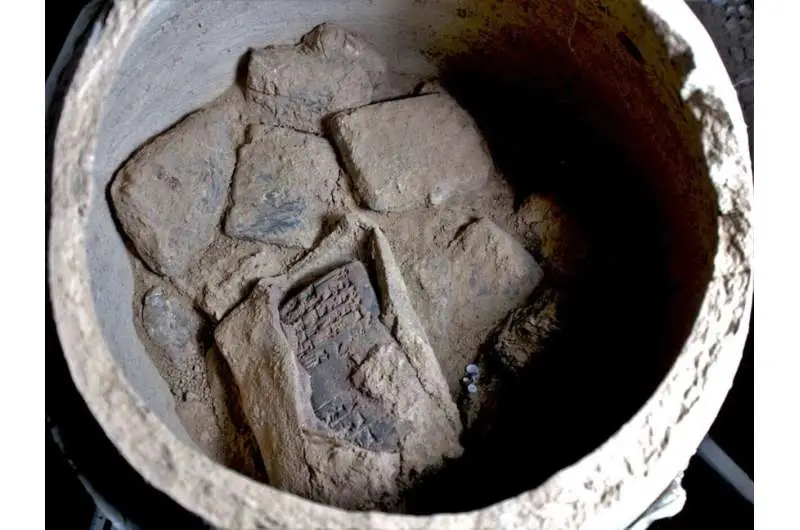
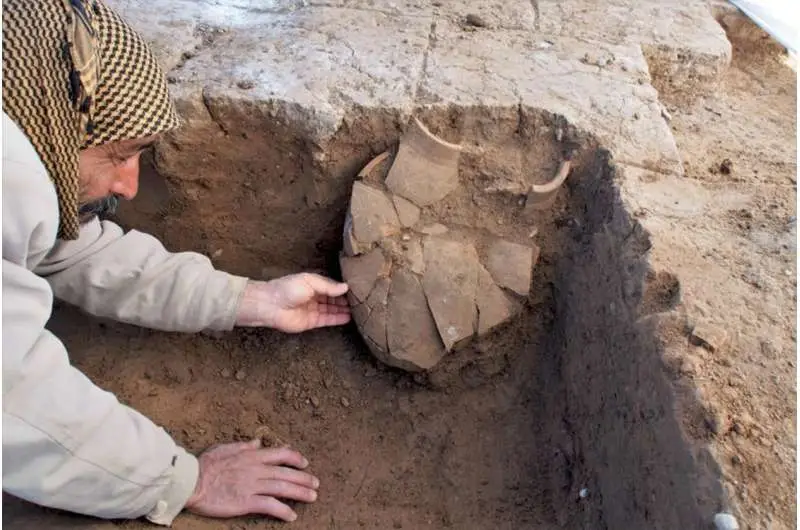
They also found five ceramic vessels containing over 100 vessels clay tablets (not the ones you play Candy Crush on, FYI).
"It is close to a miracle that cuneiform tablets made of unfired clay survived so many decades under water," Peter Pfälzner says.
The discovery took place in January and February 2022 in collaboration with the Directorate of Antiquities and Heritage in Duhok (Kurdistan Region of Iraq), while the work was funded the Fritz Thyssen Foundation through the University of Freiburg.
Well, ever-so-similarly, earlier last year, an underwater volcanic eruption south of Japan created a new island 745 miles from Tokyo.
The new crescent shaped island is named 'Niijima', which literally translates to 'new island'.
According to the Japan Meteorological Agency, the submarine eruption began on 13 August - the volcano's first in over a decade.
It has a 0.6 diameter and is 3.1 miles north of Minami-Iōtō in the Nanpō Islands, south of the Japanese archipelago.
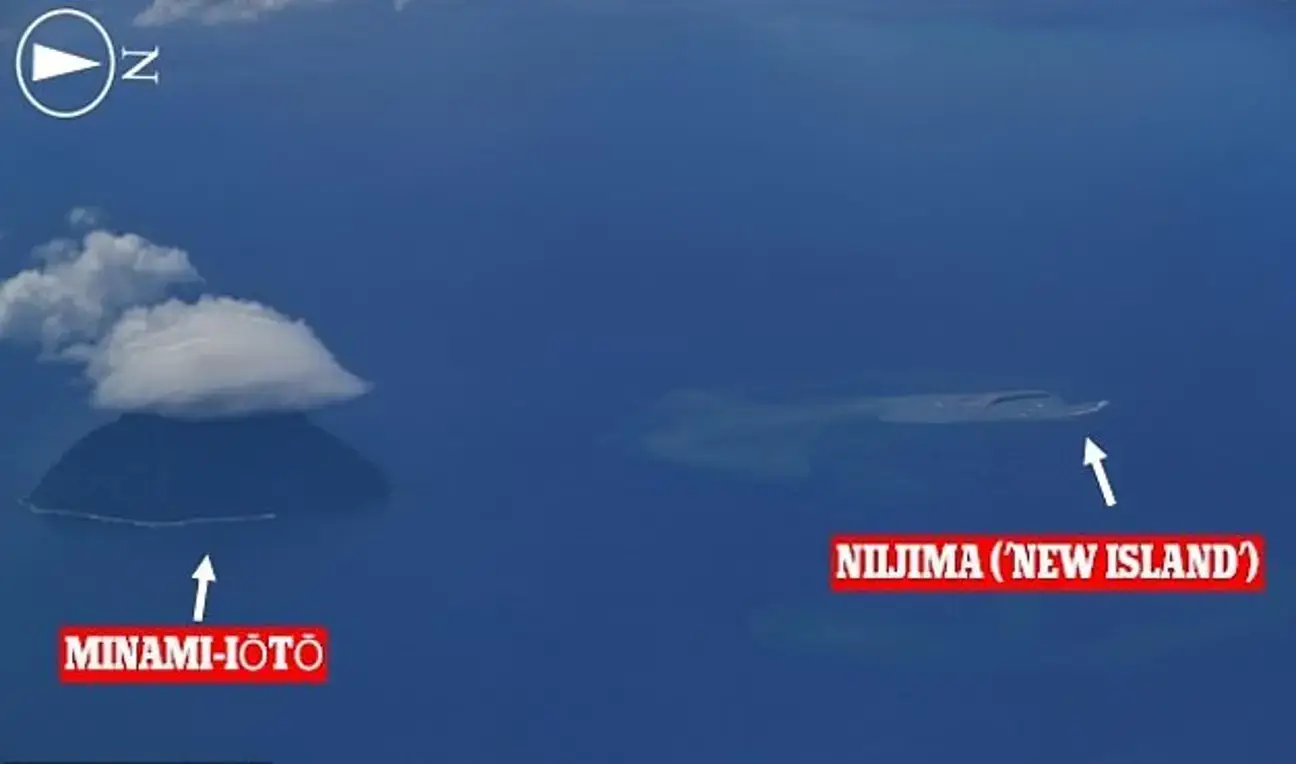
The Japan Meteorological Agency said: "According to the observation from the sky conducted by the Japan Coast Guard [on August 15], active eruptive activity is still continuing in Fukutoku-Okanoba, where the submarine eruption started on August 13.
"Suspended matter - pumice stones, etc. - due to the eruption is flowing up to about 60 km (37 miles) in the northwest direction."
If you have a story you want to tell, send it to UNILAD via [email protected]
Topics: World News
 Anish Vij