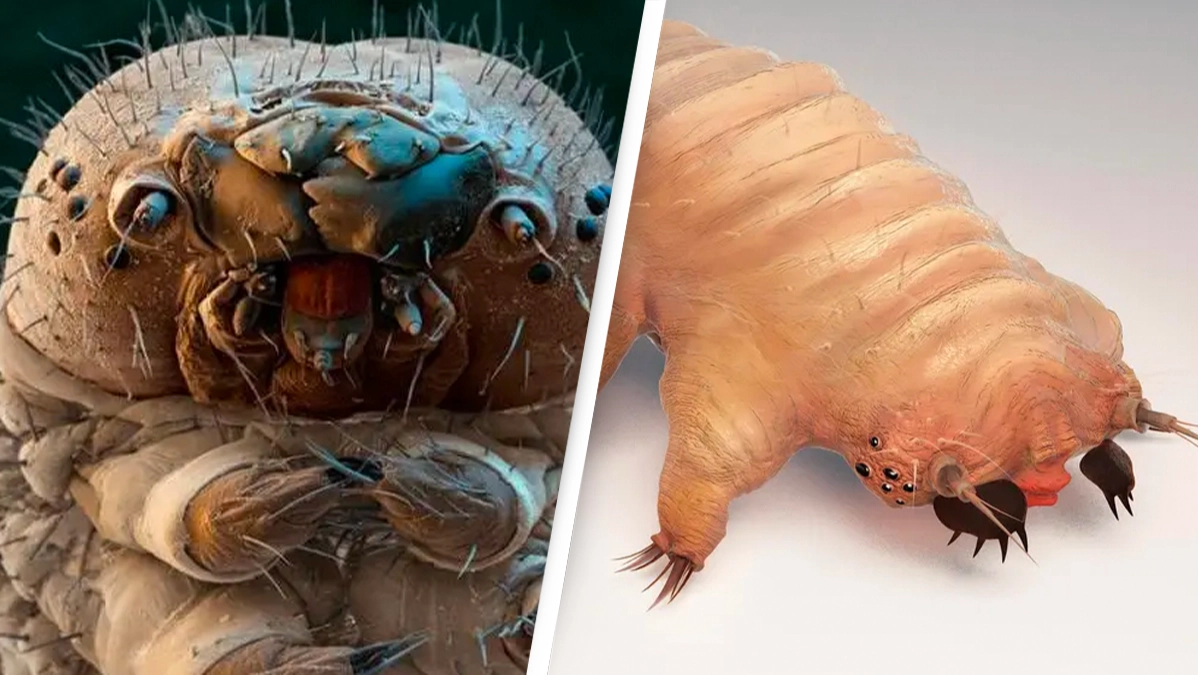
Your face is covered in thousands of living mites closely related to spiders and ticks

It might give you the heebie jeebies to learn that right now you have tonnes of mites crawling around your face - and there’s a reason why can’t just simply wash them away. Lovely.
Known as Demodex, aka eyelash mites, these virtually transparent critters are found on nearly every adult, though they are too small to see with the naked eye, coming in at just 0.3 millimetres.
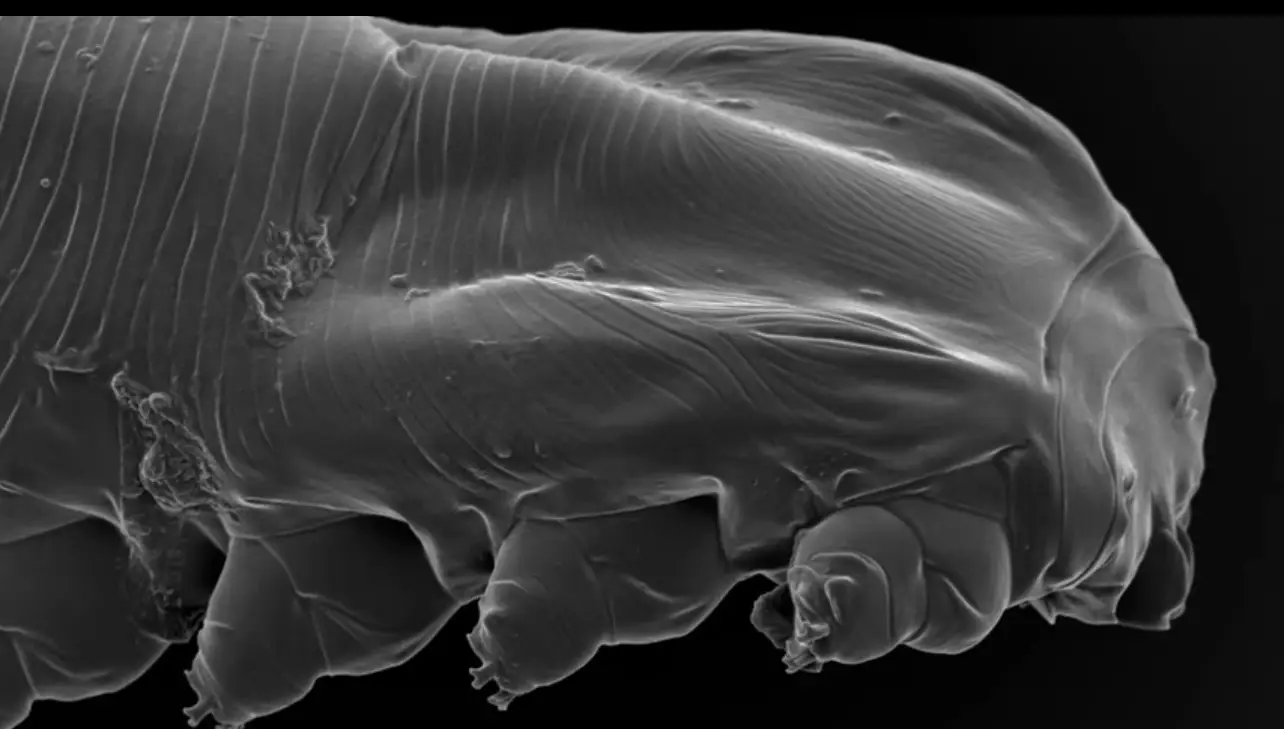
While the creatures got their name from the Greek words for ‘fat’ and ‘boring worm’, the mites are nothing like worms and are actually classified as arachnids - meaning, lucky for us, they’re closely related to ticks and spiders.
Advert
During the day, the critters - which have a lifespan of around two weeks - can be found facedown in our hair follicles, where they feast on waxy sebum, the oil that your skin naturally produces to stop itself drying out.
This means that typically greasier areas like the eyes, mouth and nose tend to have way more mites crawling about on them than other parts of the body.
And, according to a 1992 study in the journal Clinical and Experimental Dermatology, mite-infested follicles can hold a half-dozen of the creatures at once - with room for even more.
If this hasn’t grossed you out enough, I’m afraid it gets worse. While they spend their days hidden away in our hair follicles, at night the mites crawl out onto our skin’s surface to lay eggs.
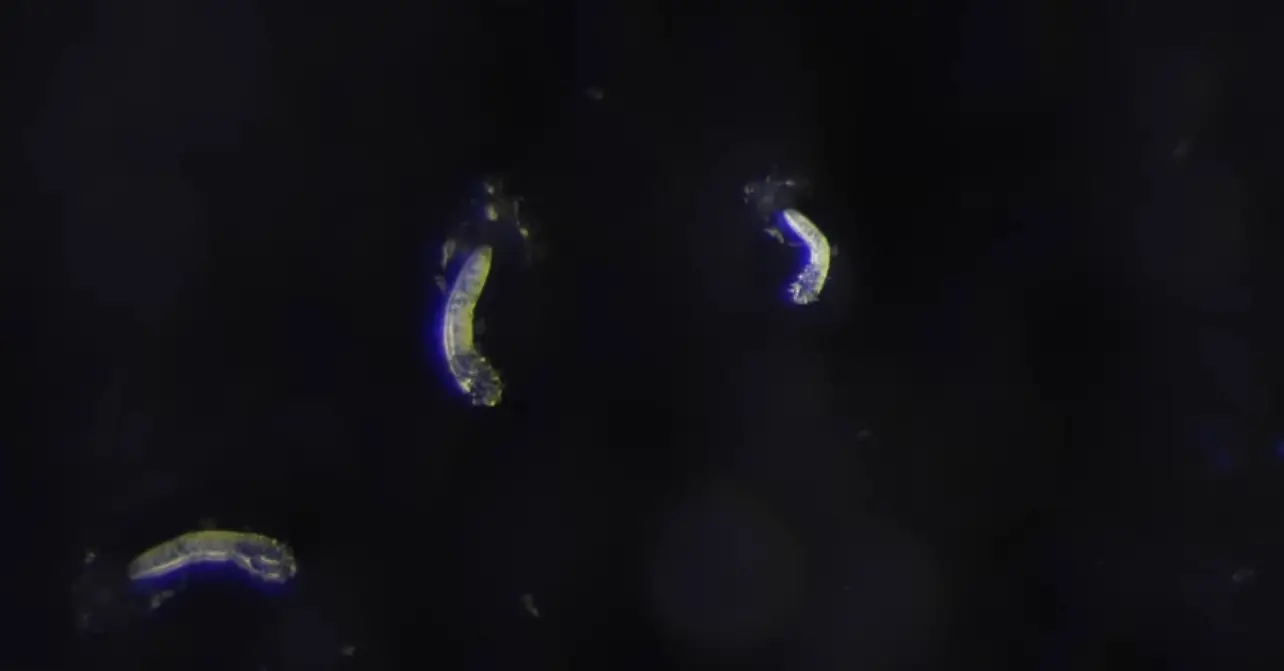
Is anyone else feeling itchy right now?
If knowing you have loads of spider-like creatures running around you face has made you feel a bit, well, ill, you might be tempted to jump in the shower and scrub your skin red raw to try and get rid of them, but it’d actually be pointless.
Since during the day they make a home inside our pores, it makes them very difficult to wash away - hence why virtually everyone has them.
Michelle Trautwein, an entomologist at the California Academy of Sciences in San Francisco, told NPR: “No one is thrilled at the initial notion that they have arachnids on their face, but people are often curious — even in their revulsion.
She added: “They're not dangerous in a broad sense because we all have them and most of us seem to be cohabiting quite well with them.
"We mostly share them within family units, and it seems like you are probably initially colonized soon after birth, most likely by your mother, traditionally speaking in human history.
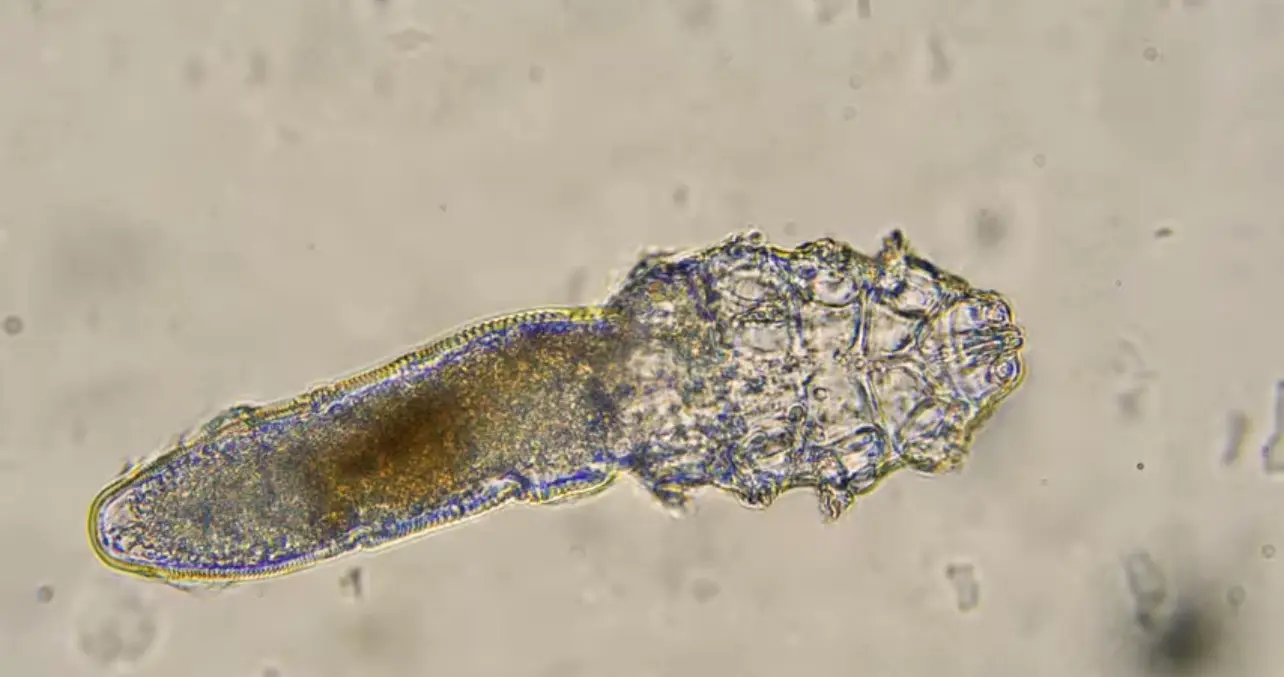
“Face mites are definitely the species of animal that we have the closest connection with as humans, even though most of us don't know about them or ever see one in our lifetime.
“We still have this very ancient and intimate relationship, and it seems clear that we've had these face mite species with us for all of our history. So they are as old as our species, as old as Homo sapiens."
Still, if you’re feeling equal parts terrified and grossed out right now, not to fret. The critters pose no threat to humans and are completely normal - like I said before, virtually every adult has them.
After all, if you think about it, it’s quite sweet that your nose could have been a humble abode to several generations of translucent grease-gobbling arachnids. Sort of.
Topics: Science, World News, Animals
 Chloe Jackson