unilad homepage
unilad homepage
  • News
    • UK News
    • US News
    • World News
    • Crime
    • Health
    • Money
    • Sport
    • Travel
  • Music
  • Technology
  • Film and TV
    • News
    • DC Comics
    • Disney
    • Marvel
    • Netflix
  • Celebrity
  • Politics
  • Advertise
  • Terms
  • Privacy & Cookies
  • LADbible Group
  • LADbible
  • SPORTbible
  • GAMINGbible
  • Tyla
  • UNILAD Tech
  • FOODbible
  • License Our Content
  • About Us & Contact
  • Jobs
  • Latest
  • Archive
  • Topics A-Z
  • Authors
Facebook
Instagram
X
Threads
TikTok
YouTube
Submit Your Content
Scientists reveal shocking number of American kids think hot dogs and bacon are plants
Home>News>Food & Drink
Published 19:57 28 Feb 2024 GMT

Scientists reveal shocking number of American kids think hot dogs and bacon are plants

Some children believed that chicken nuggets came from plants, in recent American study.

Chelsea Connor

Chelsea Connor

google discoverFollow us on Google Discover
Featured Image Credit: Getty Stock Images

Topics: Education, Parenting, Psychology, Food and Drink

Chelsea Connor
Chelsea Connor

Chelsea is a Journalist for UNILAD. Before this she worked as a Journalist and Comedy Writer for seven years, working for companies such as Newsquest, NationalWorld and Samahoma Productions. She became a qualified journalist back in 2017, completing a NCTJ at Liverpool City College.

X

@theccjourno

Advert

Advert

Advert

A study found that a large number of 4 to 7 year olds believe that hot dogs and bacon 'come from plants.'

We could only dream for a bacon plant, but it turns out some kids out there think this it's an everyday occurrence.

The study, researched by Journal of Environmental Psychology, asked a group of children to identify where they believed certain foods came from, and some of the origins were....well, interesting.

Advert

The team of psychologists asked the children to tell them where they thought cheese, french fries, bacon, popcorn, shrimp, almonds, and egg came from, and they did not disappoint.

47 percent of children said they believed that french fries came from 'animals.' Which animals? not sure. But definitely animals.

44 percent of the 176 participants also guessed that cheese originally came from plants, while 41 percent of the children believed that bacon grew on plants. Another 40 percent thought hot dogs grew on plants. (Which would be incredible.)
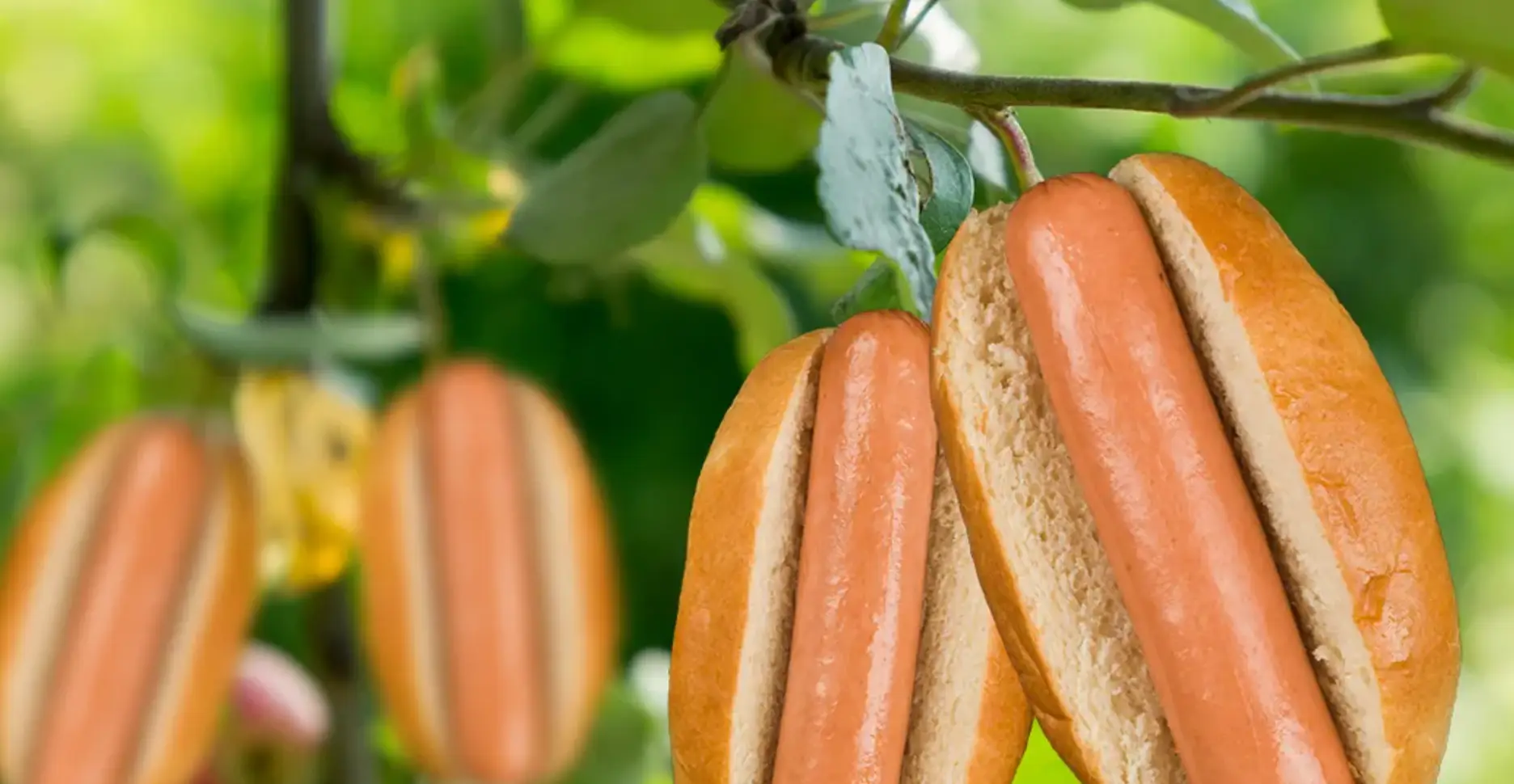
Kids shared where they believe certain foods come from in study. Credit:credit: Eugene Kovalchuk/Shutterstock.com, Richard M Lee/Shutterstock.com, IFLScience

Everybody's favourite, chicken nuggets, were also brought up in the study, and it transpired that 38 percent of the group thought that chicken nuggets came from plants.

The psychologists stated in the report: "Popcorn and almonds were also commonly misclassified [as animal-based], each by more than 30% of children."

The study also wanted to explore if children knew which animals us humans can eat, which again turned up some hilariously confusing answers.

A whopping 77 percent of them believed that both cows and pigs were not edible. However, only one percent believed that sand was perfectly edible, as well as a good portion who thought that cat was an acceptable meal we can consume.

Even though it's a study which revealed some cutesy-kid thoughts, scientists confirmed that the study could be useful and beneficial to science.
A portion of the children believed cow isn't edible. Credit:Getty/catherinedelahaye

"Most children in the United States eat animal products, but unlike adults who have built up an arsenal of strategies to justify the consumption of animals, children appear to be naïve meat eaters," the team wrote in their discussion.

"The current study suggests that children eat meat unknowingly, and perhaps in violation of a bias against animals as a food source.

"Childhood may therefore represent a unique window of opportunity during which lifelong plant-based diets can be more easily established compared to later in life," they explained.

They also believe that this could help to advance eating habits, as they shared: "Rather than manage the inconvenience of cooking several meal options or confront the emotions that may come with the revelation that the bacon on their child's plate was once a living, breathing pig, some parents instead skirt the truth altogether through vague terminology that has potentially lasting impacts on children's eating habits."

Choose your content:

5 mins ago
14 mins ago
an hour ago
3 hours ago
  • Adam Gray/Bloomberg via Getty Images
    5 mins ago

    Two World Cup travel mistakes which can ruin your trip — and the tip to follow to avoid it happening

    Avoiding these common mistakes should make your trip abroad for the Cup so much smoother.

    News
  • Prime Video
    14 mins ago

    Off Campus fans will love the new Prime Video series based on popular BookTok novel

    Those who are fans of series like Off Campus and The Summer I Turned Pretty will love this new series, which premieres very soon

    Film & TV
  • SWNS
    an hour ago

    Virginia man lost 120lb in 9 months by 'habit stacking'

    Tre Hubbard weighed 265lbs when he turned his life around by employing the popular lifestyle hack

    News
  • GoFundMe
    3 hours ago

    Bear attack survivor recalls the horrifying moment he thought he was going to die

    Daniel Crago was hiking on the Grinnell Glacier Trail on May 28 when he came up against two bears

    News
  • Scientists reveal how 'zebra striping' can help prevent hangovers as Gen Z start doing it
  • Neurologists reveal three popular foods that are 'worst for brain health' and could cause dementia in the future
  • McDonald's finally confirms what Grimace actually is and fans are completely stunned
  • Coachella slammed for food and drink prices as influencers reveal costs