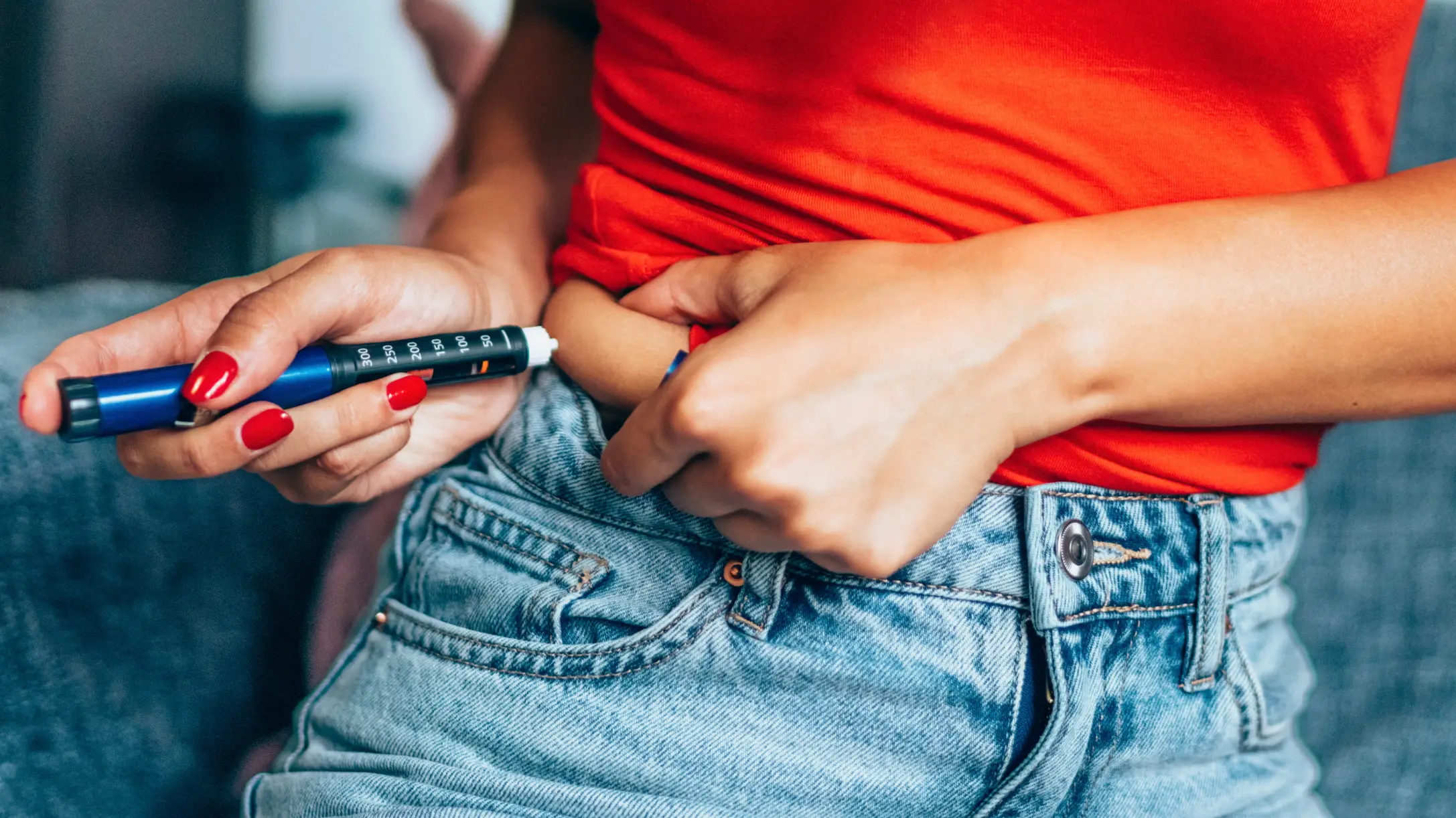
Doctor warns these lesser-known conditions could stop you using GLP-1 weight-loss drugs

A doctor has said it is 'relatively common' for people to be turned down for weight loss drugs, and outlined six conditions that prevent people using them.
GPL-1 drugs, including Ozempic and Mounjaro, are drugs intended to be used by people with type two diabetes to help lower their blood sugar levels, although many have adopted it to aid weight loss.
In the US, the FDA officially approves Ozempic for adults aged 18 and older to treat type 2 diabetes. However, doctors may also prescribe the drug ‘off label’ for weight loss.
While many see the drugs as ‘an easy fix’, Dr Kathryn Basford from Asda Online Doctor has said they are 'powerful prescription medications' that 'are not suitable for everyone'.
Advert
She added: "In many cases, refusal is about protecting a patient’s long-term health and ensuring that the risks of treatment do not outweigh the benefit."
If you have any of the below conditions, you should not take weight loss drugs:
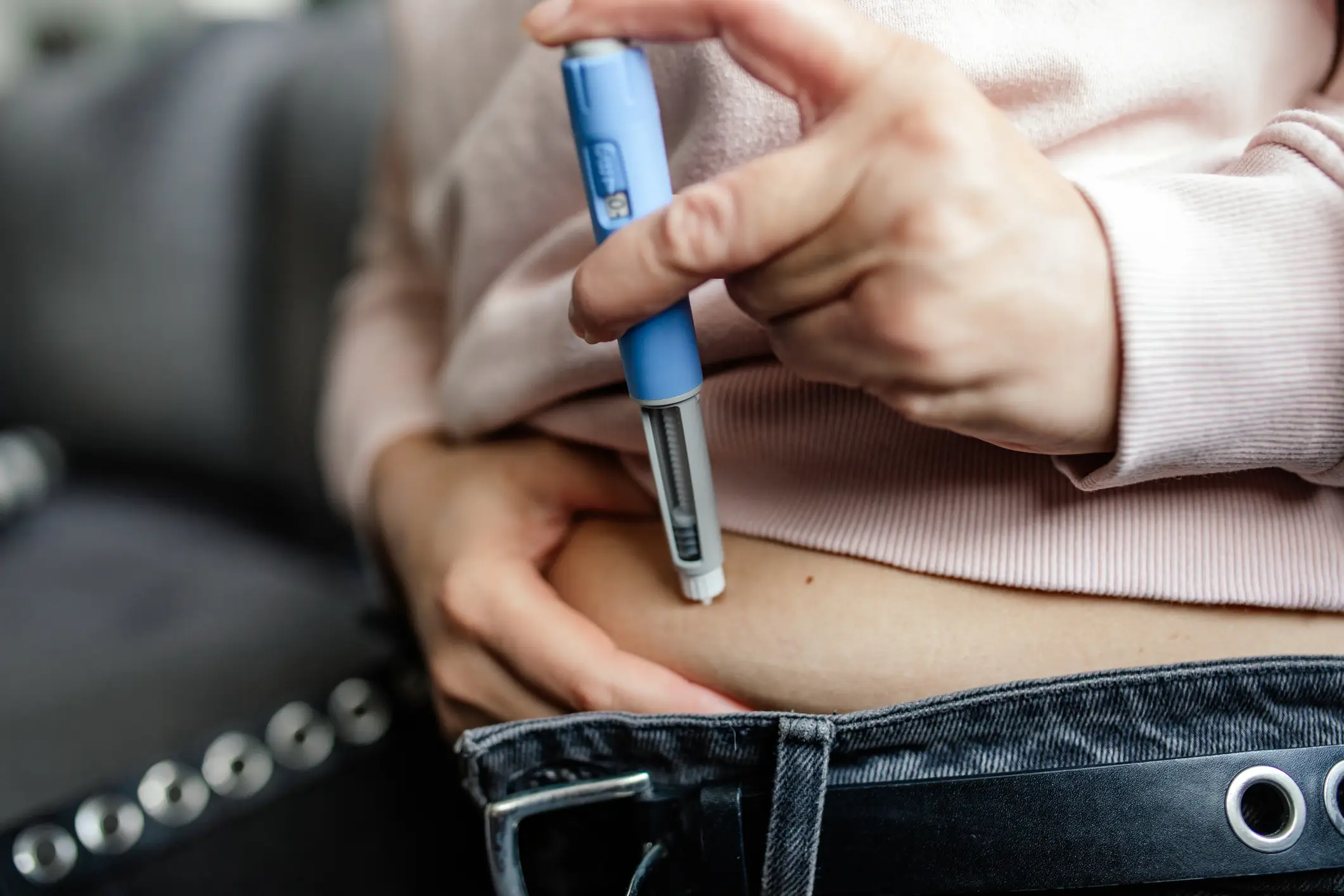
Digestive issues
The most common side effects of these drugs are issues including nausea, vomiting, diarrhea, and constipation.
Therefore, those with ‘conditions such as gastroparesis, severe acid reflux, inflammatory bowel disease, or other significant digestive disorders may find the treatment unsuitable or difficult to tolerate,’ Dr Basford tells Metro UK.
Pancreatitis
The doc also tells the publication that anyone with a history of pancreatitis may be advised not to take the drugs due to a ‘risk of inflammation to the pancreas’.
According to Cleveland Clinic, because the FDA has reported mixed findings on the relationship between GLP-1 drugs and pancreatitis, doctors tend not to prescribe it to patients with a history of acute pancreatitis.
People with existing medical conditions, including kidney and liver disease, are not recommended to use the drugs.
Pregnancy
In the US, medical guidelines state that you should not take GLP-1 medications if you are pregnant. With around three million women estimated to be pregnant at any one time in the US, this is a large group who should avoid the drug.
Based on research, Dr Monte Swarup tells Health Central that there are potential risks if taking the drug while pregnant, including ‘miscarriage, lowered birth weights, and birth defects'.
The risks have mainly showed up in animal studies, and not humans, although Cleveland Clinic states ‘there’s enough concern to warrant stopping the medication during pregnancy'.
The doctor adds not to be alarmed if you’re on the medication and suddenly find out you’re expecting, since 'available evidence shows minimal risk if you’re on a GLP-1 during the early part of pregnancy'.
Those who are breastfeeding are also not recommended to take the drug.
Previous severe side effects
Although there are some common known side effects, many people suffer some so severe that they have to stop use, including celebrities such as Kris Jenner and Sharon Osbourne.
Dr Bashford says: "If someone has previously taken a GLP-1 medication and experienced severe vomiting, dehydration, or ongoing digestive side effects, clinicians may decide it is not appropriate to restart treatment."

History of eating disorders
Dr Bashford explains to Metro that ‘appetite-suppressing medications have the potential to worsen disordered eating behaviours or negatively impact mental wellbeing’ in those who have a history of eating disorders.
Interaction with other medications
Healthline explains that GLP-1 drugs can affect how oral medications are absorbed in the stomach, which means they may take longer to work.
Taking GLP-1 drugs alongside insulin can also increase your risk of low blood sugar.
Cleveland Clinic states that hypoglycemia can become a 'serious' risk if 'you take GLP-1s with other medications that lower blood sugar, like sulfonylureas or insulin'.
As always, those with any concerns should consult their doctor.
Topics: Ozempic, Weight loss, Health
 Kiesha Dosanjh