unilad homepage
unilad homepage
    • News
      • UK News
      • US News
      • World News
      • Crime
      • Health
      • Money
      • Sport
      • Travel
    • Music
    • Technology
    • Film and TV
      • News
      • DC Comics
      • Disney
      • Marvel
      • Netflix
    • Celebrity
    • Politics
    • Advertise
    • Terms
    • Privacy & Cookies
    • LADbible Group
    • LADbible
    • SPORTbible
    • GAMINGbible
    • Tyla
    • UNILAD Tech
    • FOODbible
    • License Our Content
    • About Us & Contact
    • Jobs
    • Latest
    • Archive
    • Topics A-Z
    • Authors
    Facebook
    Instagram
    X
    Threads
    TikTok
    YouTube
    Submit Your Content
    Doctor reveals easy 2-minute tests that could explain if you have early signs of dementia

    Home> News> Health

    Published 15:54 3 Dec 2024 GMT

    Doctor reveals easy 2-minute tests that could explain if you have early signs of dementia

    These tests can be completed from the comfort of your own home

    Callum Jones

    Callum Jones

    google discoverFollow us on Google Discover
    Featured Image Credit: TikTok/doctor.bing/Getty Images/TEK IMAGE/SCIENCE PHOTO LIBRARY

    Topics: Health, TikTok, Social Media, Science

    Callum Jones
    Callum Jones

    Advert

    Advert

    Advert

    A neurologist has detailed five two-minute tests that could explain if you have early signs of dementia.

    Symptoms of Alzheimer's or dementia include forgetfulness, while other forms of the disease can cause hallucinations, stiffness, and anxiety.

    Of course, if you suspect signs of dementia, it's always best to visit a healthcare professional - though they are some simple tests you can do at home to see if you are showing signs of the disease.

    Neurologist Dr Baibing Chen, who goes by Dr Bing on social sites such as TikTok, spoke in a recent video about five simple tests you can do to see if you are showing dementia tendencies.

    Advert


    Stand on one leg

    The first exercise is a pretty simple one, as it only takes 30 seconds to do.

    Those who are concerned should try and remain in position for half a minute to see if they can keep their balance.

    "For those with two legs and no mobility issues, difficulty standing on one leg for at least 30 seconds has been lined to a higher risk of dementia and stroke," the expert said.

    "This is because it can reflect subtle deficits in the brain areas controlling your balance and motor skills."
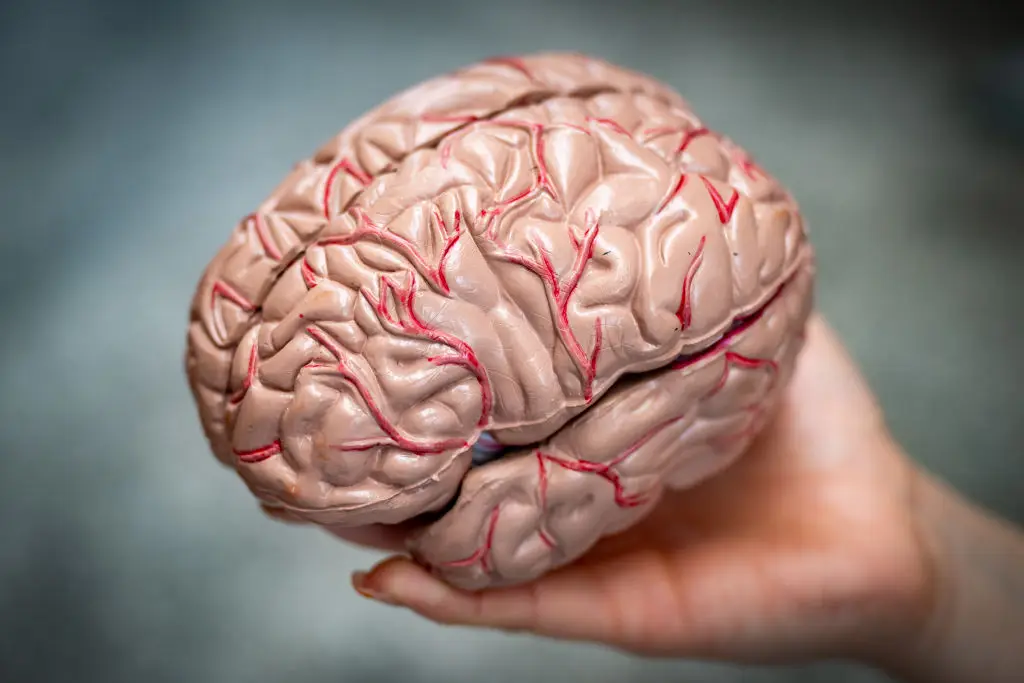
    The tests can help with detecting signs of dementia (Getty Stock Photo)
    The tests can help with detecting signs of dementia (Getty Stock Photo)

    Smell test

    This next test involves the use of an individual's nose, with the participant being asked to identify a series of different odours.

    Why this test is a useful one, you ask? Well, early-onset dementia can impact the ability to smell properly, and with such a disease, it's very important to catch things early.

    "Problems with smell identification can indicate neurodegeneration such as in those with Parkinson's or Alzheimer's," Dr. Bing said.
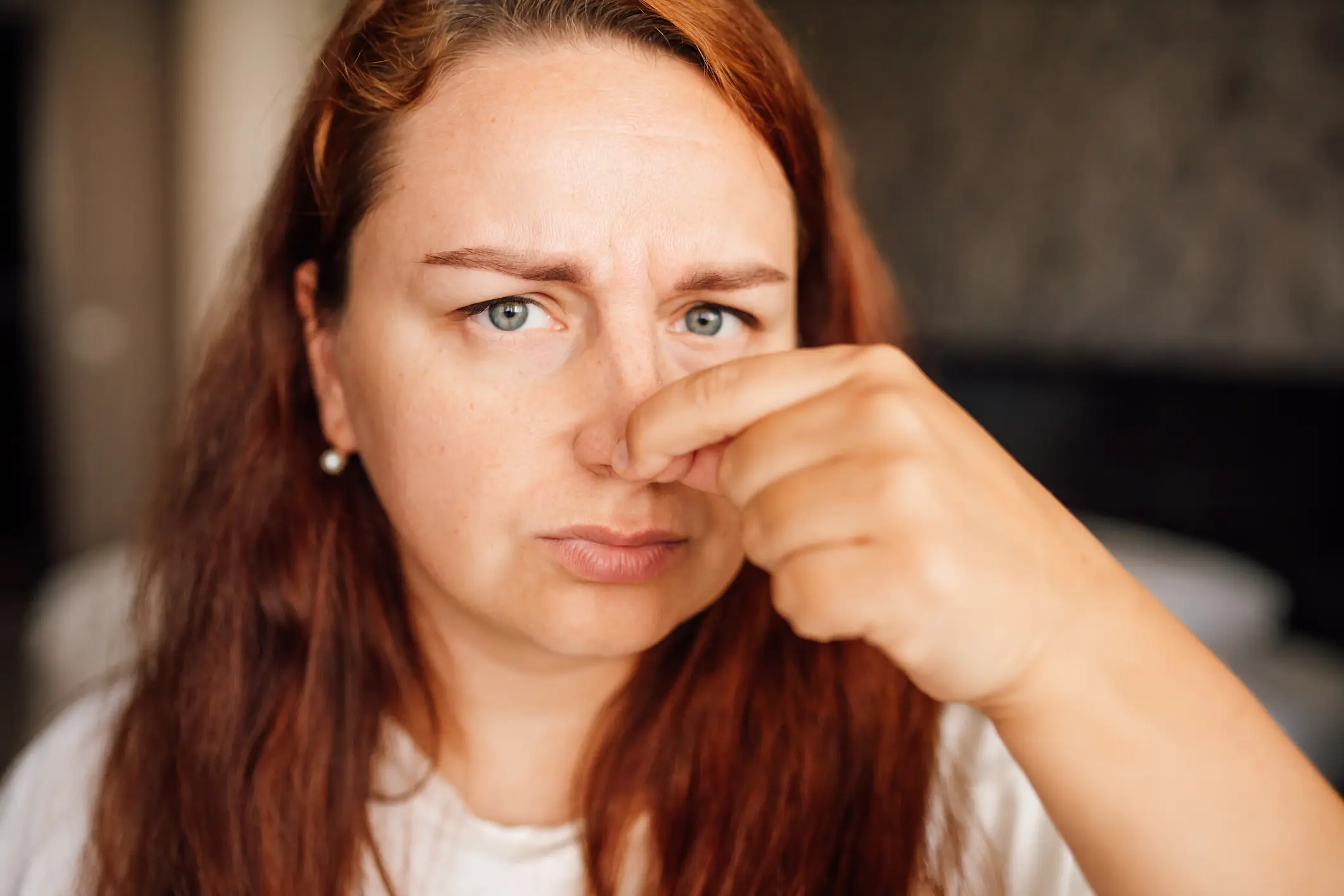
    The smelling test is any one you can complete at home (Getty Stock Photo)
    The smelling test is any one you can complete at home (Getty Stock Photo)

    Clock-drawing

    The clock-drawing test is actually used in some diagnostic clinics, which involves patients drawing a clock and adding all the numbers to it.

    They will then be asked about adding specific times to the clock.

    Dr. Bing explained: "I just ask a patients to draw a clock showing a specific time. If somebody has difficulty with spatial organisation, attention and planning, such as those with Alzheimer's disease, this task can be very difficult."
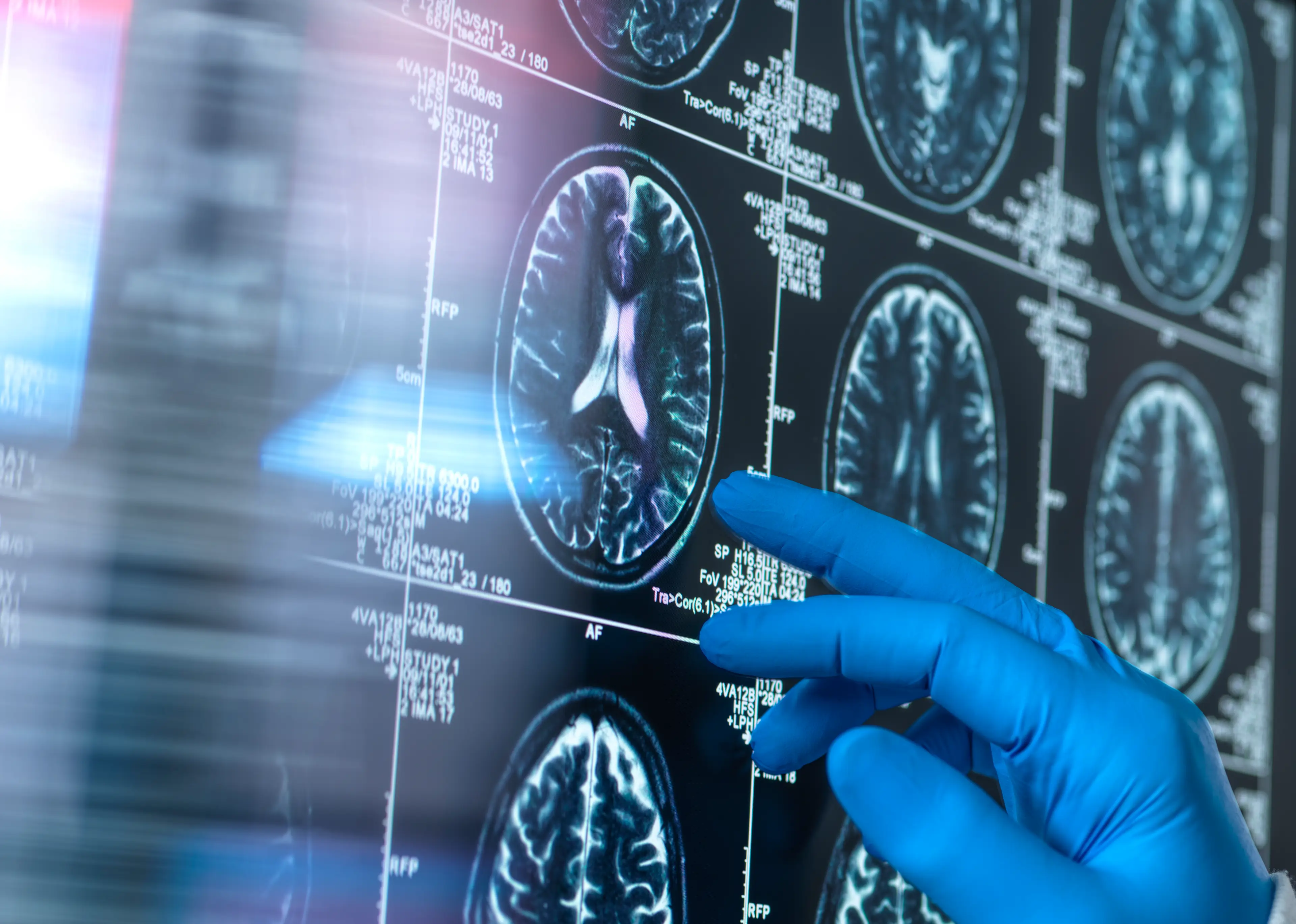
    You can do these tests easily at home (Getty Stock Photo)
    You can do these tests easily at home (Getty Stock Photo)

    A 'dual task gait test'

    This test requires participants to walk while completing a cognitive task, which typically involves something like counting backwards.

    "Difficulty with this can indicate problems with executive function, memory or attention," the expert explained.
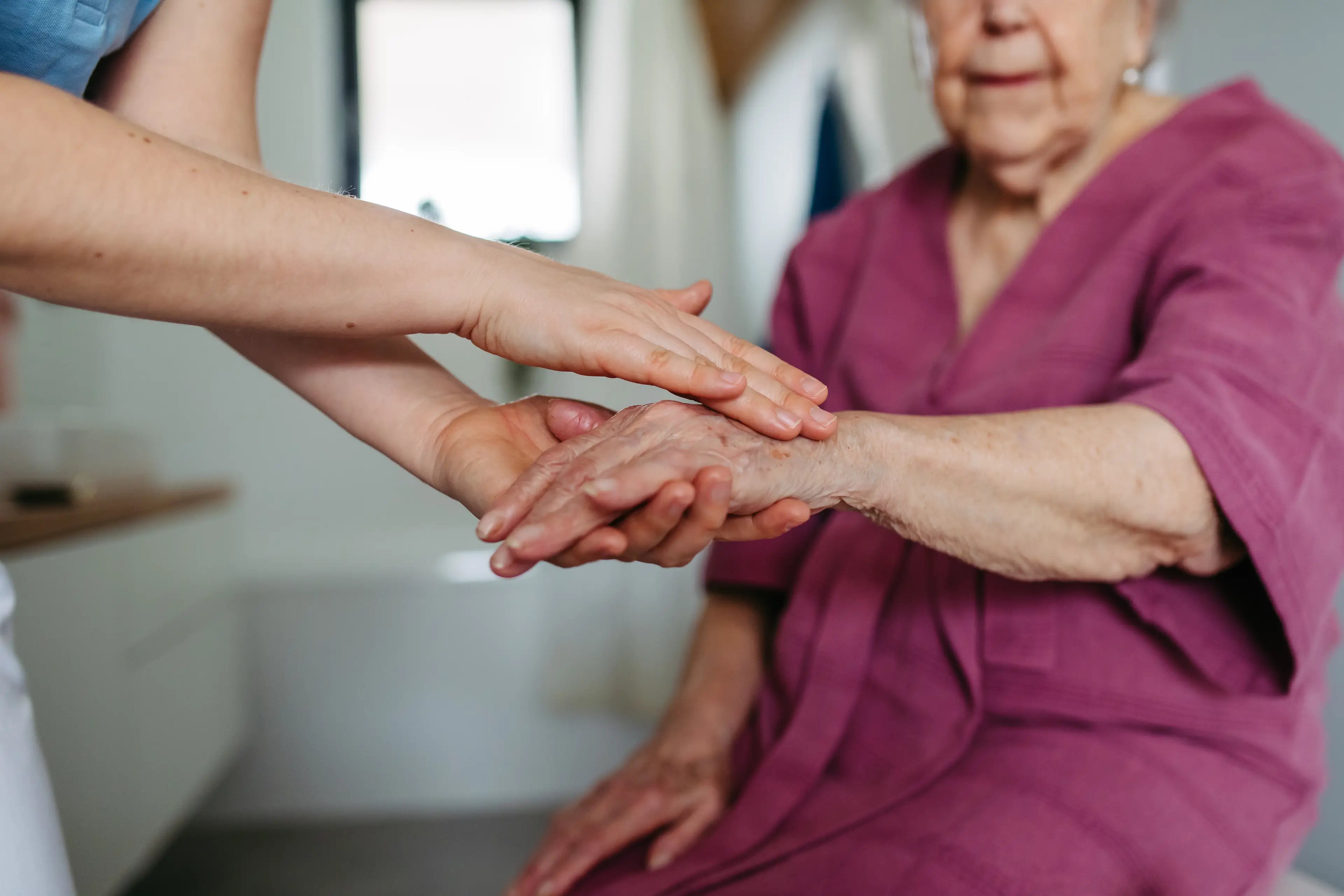
    The 'dual task gait test' is another useful one (Getty Stock Photo)
    The 'dual task gait test' is another useful one (Getty Stock Photo)

    Verbal fluency

    Those involved with this test are asked to list many items within a certain category, with Dr. Bing recommending animals as a suitable category.

    "Difficulties in recalling words within a set time frame can indicate decline in certain regions of the brain, such as those affected by Alzheimer's disease or frontal temporal dementia," the expert went on to say.

    • Doctor reveals simple 'pen and paper' test which could detect early signs of dementia before diagnosis
    • Expert reveals 6 early warning signs of dementia that could show up around Christmas gatherings
    • Experts issue urgent warning about the little-known signs of early dementia which have nothing to do with memory
    • Doctor reveals 'tell-tale signs' you could have new Covid variants 'Stratus' or 'Nimbus' as cases sweep US

    Choose your content:

    28 mins ago
    an hour ago
    2 hours ago
    3 hours ago
    • Getty
      28 mins ago

      Trump claims King and Queen got him to do something 'nobody else was able to do' during state visit

      The King has since expressed his 'gratitude' for the decision made by Trump

      News
    • Getty Stock Image
      an hour ago

      Map shows America's most disliked state as 25 percent of its own residents agree

      Some of America's most successful states are also among its most disliked

      News
    • Andrew Harnik/Getty Images
      2 hours ago

      Trump threatens to pull troops out of three countries and slams 'horrible' ally

      Some of America's closest military allies could see US troops disappear for the first time since World War Two

      News
    • Kyle Grillot/Bloomberg via Getty Images
      3 hours ago

      Biohacker Bryan Johnson details girlfriend's intimate microbiome score after bizarre message

      The biohacker wasn't holding back on the intimate details - with graphs to prove it

      News