unilad homepage
unilad homepage
    • News
      • UK News
      • US News
      • World News
      • Crime
      • Health
      • Money
      • Sport
      • Travel
    • Music
    • Technology
    • Film and TV
      • News
      • DC Comics
      • Disney
      • Marvel
      • Netflix
    • Celebrity
    • Politics
    • Advertise
    • Terms
    • Privacy & Cookies
    • LADbible Group
    • LADbible
    • SPORTbible
    • GAMINGbible
    • Tyla
    • UNILAD Tech
    • FOODbible
    • License Our Content
    • About Us & Contact
    • Jobs
    • Latest
    • Archive
    • Topics A-Z
    • Authors
    Facebook
    Instagram
    X
    Threads
    TikTok
    YouTube
    Submit Your Content
    New study suggests there's one way to detect signs of stomach cancer years before symptoms

    Home> News> Health

    Published 09:41 21 May 2024 GMT+1

    New study suggests there's one way to detect signs of stomach cancer years before symptoms

    Early research has suggested that there's a way to detect stomach cancer before symptoms show

    Niamh Shackleton

    Niamh Shackleton

    google discoverFollow us on Google Discover
    Featured Image Credit: Getty Stock Images

    Topics: Health, Science, Cancer, News

    Niamh Shackleton
    Niamh Shackleton

    Niamh Shackleton is an experienced journalist for UNILAD, specialising in topics including mental health and showbiz, as well as anything Henry Cavill and cat related. She has previously worked for OK! Magazine, Caters and Kennedy.

    X

    @niamhshackleton

    Advert

    Advert

    Advert

    A new study has found promising results in regards to early detection of stomach cancer.

    Last year, there was an estimated 26,500 new stomach cancer cases in the US, with over 11,000 people sadly dying from the illness.

    Stomach cancer is said to be the fourth-leading cause of cancer deaths worldwide, urging researchers to find ways to detect the cancer as early as possible.

    Advert

    And Researchers from the Rutgers Robert Wood Johnson School of Medicine in New Jersey put their heads together to create an oral rinse that could prove vital in early detection of stomach cancer.

    In their study which is yet to be published, researchers analyzed bacterial samples from 98 people – 30 with known gastric cancer, 30 with premalignant gastric conditions, and 38 people without gastric health issues, Medical News Today reports.

    In particular, participants' microbiomes were studied by researchers. The microbiome is the collection of all microbes, such as bacteria, fungi, viruses, and their genes, that naturally live on our bodies and inside us, explains the National Institute of Environmental Health Sciences.

    While there were limited differences in the microbiomes of precancerous and cancerous groups, there was reportedly 'distinct differences' between these two groups and the healthy control group.
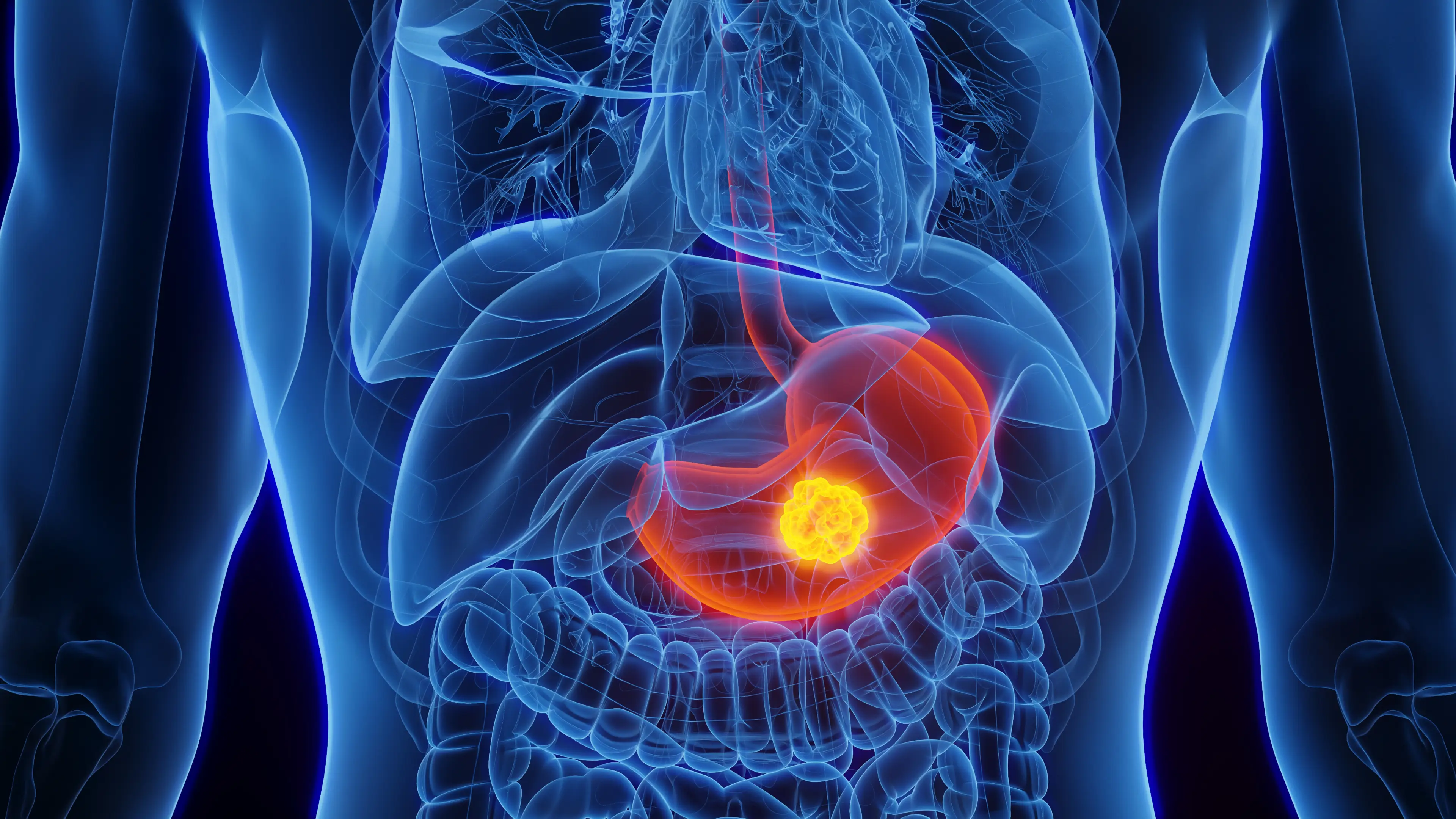
    More than 11,000 Americans died of stomach cancers last year. (SEBASTIAN KAULITZKI/SCIENCE PHOTO LIBRARY)
    More than 11,000 Americans died of stomach cancers last year. (SEBASTIAN KAULITZKI/SCIENCE PHOTO LIBRARY)

    There were 13 types of bacteria in particular that researchers found to have shown the most significant differences between the control participants and cancerous and pre-cancerous patients, as per Mail Online.

    Scientists now hope that the early study could prove that changes in the microbiome could occur as soon as the stomach environment starts to undergo changes that will eventually develop into cancer and that oral bacteria could be used a biomarker for gastric cancer risk.

    In light of their promising findings, researchers now plan to conduct more extensive studies.

    Dr. Elliot Newman, the chief of surgical oncology at Northwell Lenox Hill Hospital in New York, has since shared his hopes that the oral rinse could 'in theory' cure all stomach cancer patients.
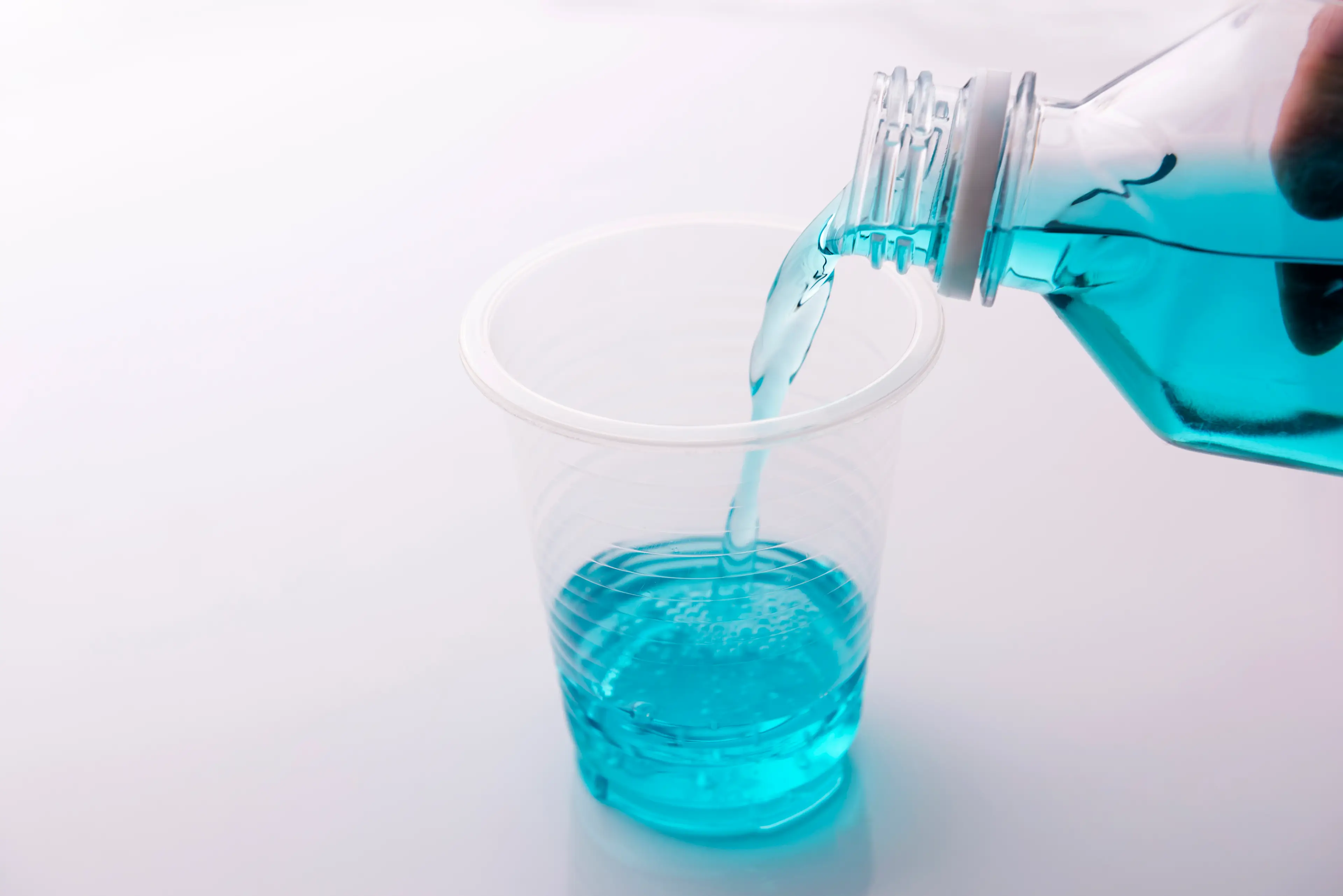
    The oral rinse could prove to be life saving. (HUIZENG HU/Getty Stock)
    The oral rinse could prove to be life saving. (HUIZENG HU/Getty Stock)

    He told Medical News Today: "It looks like the researchers used the samples to see each group’s shared characteristics. They could then compare other samples to see where they were - healthy, precancerous, or cancerous."

    Dr. Newman, who wasn't part of the study, continued: "Work like this is always exciting, but we have to see what happens in the long term.

    "In theory, someone could have the rinse and it can pick up changes in the stomach that might be precancerous. If we can do that, we can cure everyone."

    If you’ve been affected by any of these issues and want to speak to someone in confidence, contact the American Cancer Society on 1-800-227-2345 or via their live chat feature, available 24/7 every day of the year.

    Choose your content:

    29 mins ago
    an hour ago
    5 hours ago
    14 hours ago
    • Jim LoScalzo/EPA/Bloomberg via Getty Images
      29 mins ago

      Eye-opening new poll reveals what Americans actually think about Trump naming buildings after himself

      Trump's approval rating has fallen to a second term low of 34 per cent

      News
    • Scott Olson/Getty Images
      an hour ago

      Barack Obama opens up about how Trump causes 'genuine tension' in his marriage

      The war of words between Trump and Obama continues nine years after he left office

      News
    • Patrick van Katwijk/Getty Images
      5 hours ago

      Delta Air Lines axes free snacks and drinks on hundreds of flights

      New rules regarding on-board catering are set to come into force on May 19

      News
    • Instagram/@thenycsleepdoctor
      14 hours ago

      Doctors reveal how 7:1 sleep rule could add years to your life

      A study found that following the sleep rule could cut risk of early death by nearly a quarter

      News
    • Woman details 'unusual' symptoms she felt before being colon cancer diagnosis
    • Symptoms to look out for as new study suggests anal cancer is on the rise and reveals who's most at risk
    • Study shows two major overlooked signs of brain cancer that can be easily mistaken for common conditions
    • Scientists successfully achieve 'permanent disappearance of pancreatic cancer' in new study for cure