
Reason discovered why certain people are addicted to cocaine

Drug addiction has become an increasing problem across the world and has got worse over time here in the UK.
In England and Wales in 2021, 4,859 deaths were related to drug poisoning - that was over six percent higher than in 2020.
So, why exactly can certain people become addicted to drugs such as cocaine?
Advert
Well, a recent study by researchers from the Icahn School of Medicine at Mount Sinai and Baylor College of Medicine looked at how it is all linked to the brain.
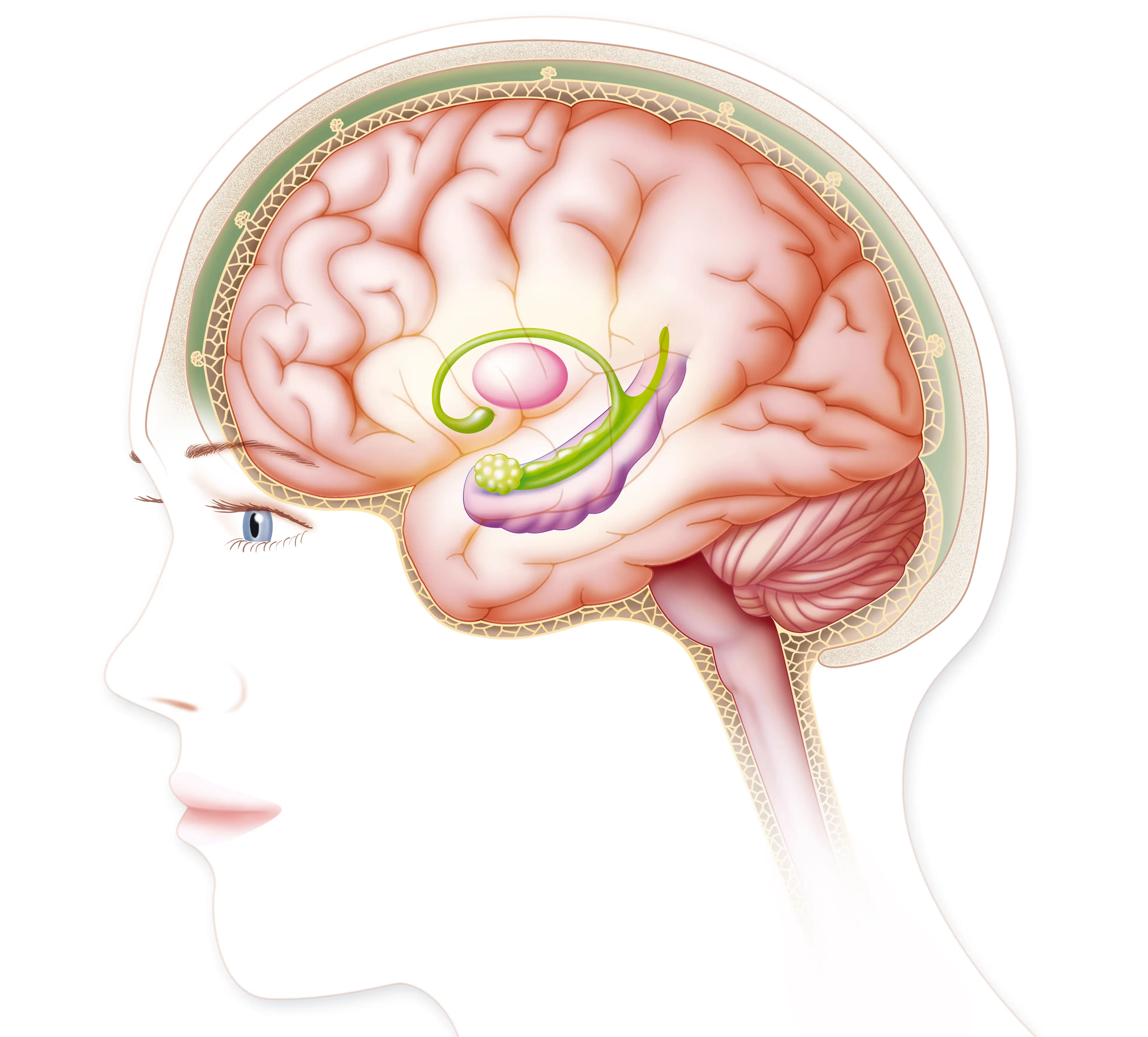
To get into the science of it, the study looked at the connectivity of the tract between the pre-frontal cortex (PFC), a brain region essential for functions, and the habenula, a region that plays a crucial role in reward and reward-associated learning.

As a result of their research, they found that white matter in the brain that was previously found in animal studies may be specifically impaired in the brains of people who are addicted to cocaine and heroin.
Impairments were associated with an earlier onset of drug use in the addiction groups.
In animal models of addiction, the habenula was a key driver in drug-seeking behaviours.
However, the research on the PFC-habenula path for the human brain had been poorly understood up until now.
For this study, the team of researchers used diffusion magnetic resonance imaging (MRI) tractography to investigate the microstructural features of the PFC-habenula circuit in people with cocaine and heroin addiction compared to healthy people with no addictions.
Sarah King, a PhD student in Neuroscience in the Graduate School of Biomedical Sciences at Icahn Mount Sinai led of the analyses of the study and spoke on the findings.
She said: "In addition to identifying microstructural differences, specifically reduced coherence in the orientation of the white matter fibers in the cocaine-addicted group that comprised both current cocaine users and those with short-term abstinence, we extended results beyond cocaine (a stimulant) to heroin (an opioid), suggesting that abnormalities in this path may be generalised in addiction.
"Importantly, we found that across all addicted individuals, greater impairment was correlated with earlier age of first drug use, which points to a potential role for this circuit in developmental or premorbid risk factors."
Researchers say the study is an advance of ongoing research in the field.
If you want friendly, confidential advice about drugs, you can talk to FRANK. You can call 0300 123 6600, text 82111 or contact through their website 24 hours a day, 365 days a year, or livechat from 2pm-6pm any day of the week
 Callum Jones