unilad homepage
  • News
  • Film and TV
  • Music
  • Tech
  • Features
  • Celebrity
  • Politics
  • Weird
  • Community
  • Advertise
  • Terms
  • Privacy & Cookies
  • LADbible Group
  • LADbible
  • SPORTbible
  • GAMINGbible
  • Tyla
  • UNILAD Tech
  • FOODbible
  • License Our Content
  • About Us & Contact
  • Jobs
  • Latest
  • Topics A-Z
  • Authors
Facebook
Instagram
X
Threads
TikTok
YouTube
Submit Your Content
Scientists have cloned world's first Arctic wolf 26 years after Dolly the sheep was born

Home> News

Published 16:45 24 Sep 2022 GMT+1

Scientists have cloned world's first Arctic wolf 26 years after Dolly the sheep was born

Sinogene Biotechnology, a Beijing-based genetics company has successfully cloned a (very adorable) Arctic wolf pup

Aisha Nozari

Aisha Nozari

google discoverFollow us on Google Discover
Featured Image Credit: Twitter/chinascience

Topics: Science, Animals

Aisha Nozari
Aisha Nozari

Advert

Advert

Advert

Move over, Dolly, there’s a new genetically cloned creature on the block.

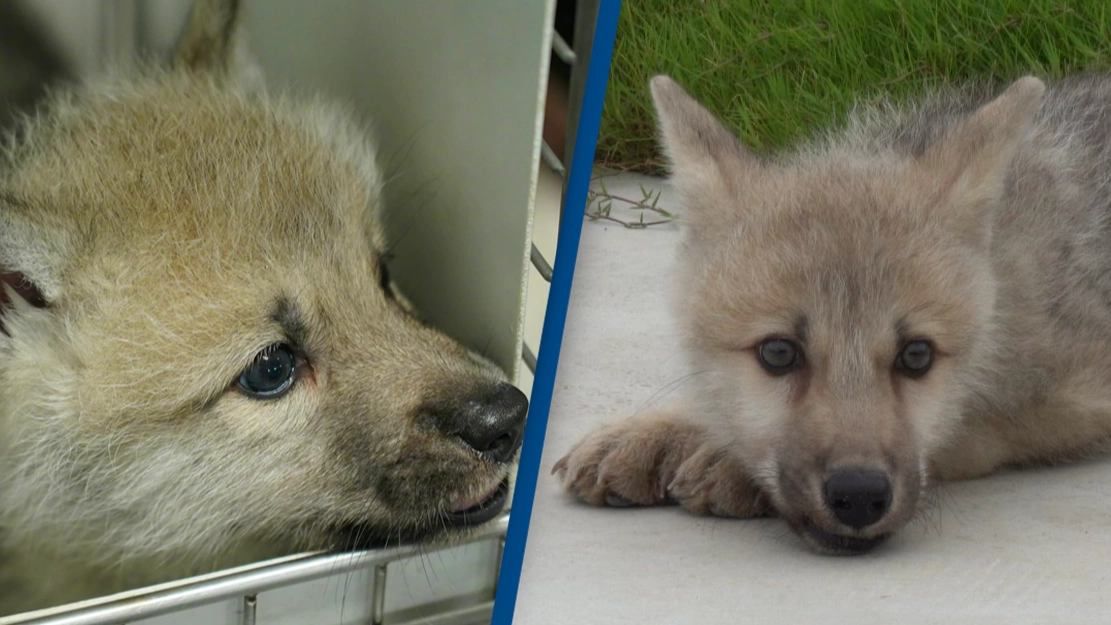
Sinogene Biotechnology, a Beijing-based genetics company has successfully cloned a (very adorable) Arctic wolf pup in a move that’s being billed as ‘ground-breaking’.

It comes 26 years after the birth of Dolly the sheep, the first mammal ever cloned from an adult cell.

The fluffy new pup has been named Maya, and she was actually born back in June, but the biotech firm wanted to wait until she was 100 days old before announcing her birth in case anything went wrong. 

Advert
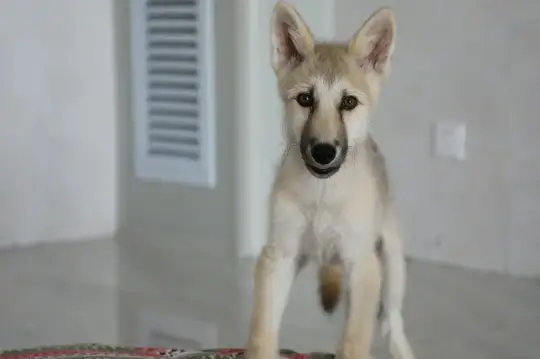
A Beijing-based genetics company has successfully cloned a (very adorable) Arctic wolf pup.
Twitter/China Science

To create Maya, a cell was taken from a wild female Arctic wolf and combined with an embryo grown inside a beagle.

The Arctic wolf had been introduced from Canada and beagles share genetic ancestry with ancient wolves, making them the perfect fit. 

Both Maya and Dolly were made using somatic cell nuclear transfer, which involves the cell nucleus from a somatic cell being placed into an unfertilised egg.

This leads to what’s described by Science Direct as a ‘complete reprogramming of the genetic material in the nucleus’ and enables the egg to start dividing and eventually form an embryo.

Although Arctic wolves aren’t actually endangered, Singogen hopes that down the line, the process will be used to save species at risk of extinction. 

Speaking to EuroNews, Zhao Jianping, the deputy general manager of Sinogene, said: “The newly born wolf has the same genome as the original wolf, but the cloned wolf hasn’t lived with other wolves, but with a dog.”

Jianping added: “In fact, for cloned pet dogs and cats, there is also a problem of early socialisation. The earlier the socialisation, the more beneficial for its future development.”

“We’ll continue to work in this field. In the next step, we may clone rare wild animals other than canines or cats… and it will be more difficult,” Jianping also noted.
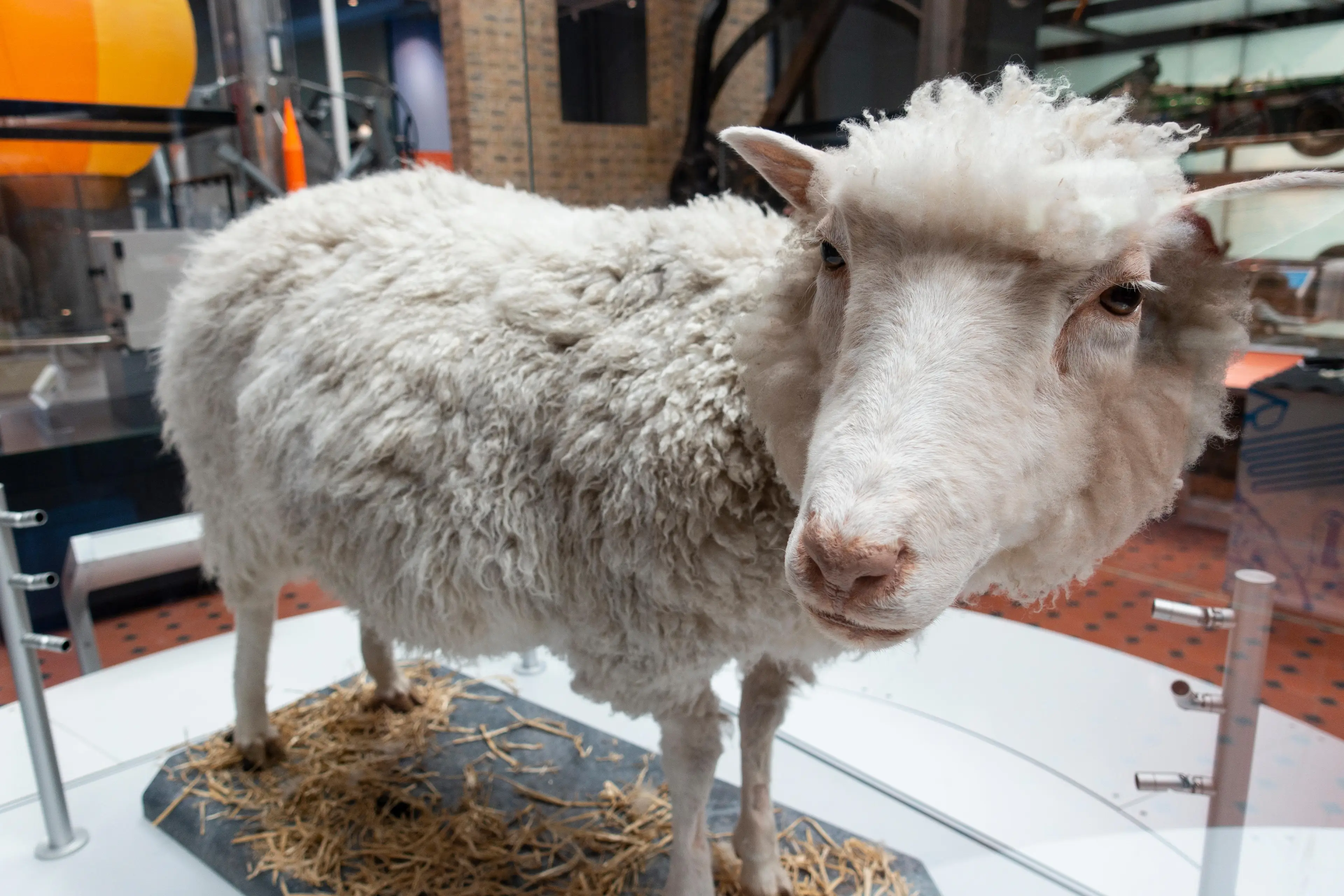
Poor Dolly only lived until six, when she was euthanized due to a lung tumour.
Iain Masterton / Alamy Stock Photo

So far, Maya seems to be a normal, healthy wolf pup. Poor Dolly only lived until six, when she was euthanised due to a lung tumour.

Because of her lack of socialisation with other wolves, Maya will spend her life in captivity, but she’s found a mate in the beagle who popped her out and also has a playmate to hangout with, not to mention her surrogate mother.

If you have a story you want to tell, send it to UNILAD via [email protected] 

  • Scientists claim to have brought back dire wolf from extinction for the first time in 10,000 years
  • Scientists discover protein in whales that could help humans live up to 200 years
  • Scientists discover first ever dolphin with 'thumbs' and reveal shocking reason why it could have happened
  • Scientists revealed first ever sighting of mysterious underwater creature people thought was a myth

Choose your content:

an hour ago
2 hours ago
  • Getty Stock
    an hour ago

    Doctor explains what changes to your fingernails could reveal about your health

    Fingernails can prove to be a key indicator of health issues

    News
  • Jakub Porzycki/NurPhoto via Getty Images
    an hour ago

    Scientists claim to discover a second Sphinx in Egypt after conducting underground scans

    Researchers believe they've found another Sphinx structure buried deep underground but the scientific community is not convinced.

    News
  • Kami Parsa, M.D. via YouTube
    2 hours ago

    Doctor reveals disturbing MRI scan of what happens to filler in the face as it never fully dissolves

    Injectable hyaluronic acid is used to reduce the appearance of lines and wrinkles

    News
  • Kevin Carter/Getty Images
    2 hours ago

    United Airlines praised for new 'Relax Row' feature that'll change how you fly

    One person said that the new feature 'might be the most loved upgrade in years'

    News