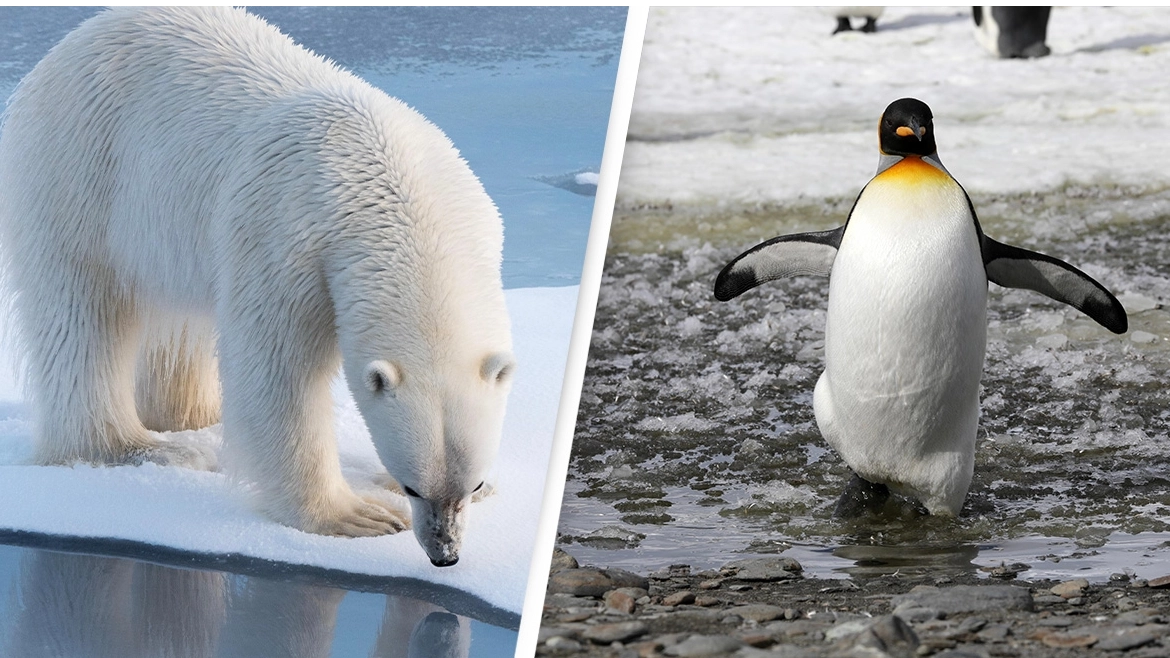
Toxic Nanoplastics Found At North And South Pole For First Time

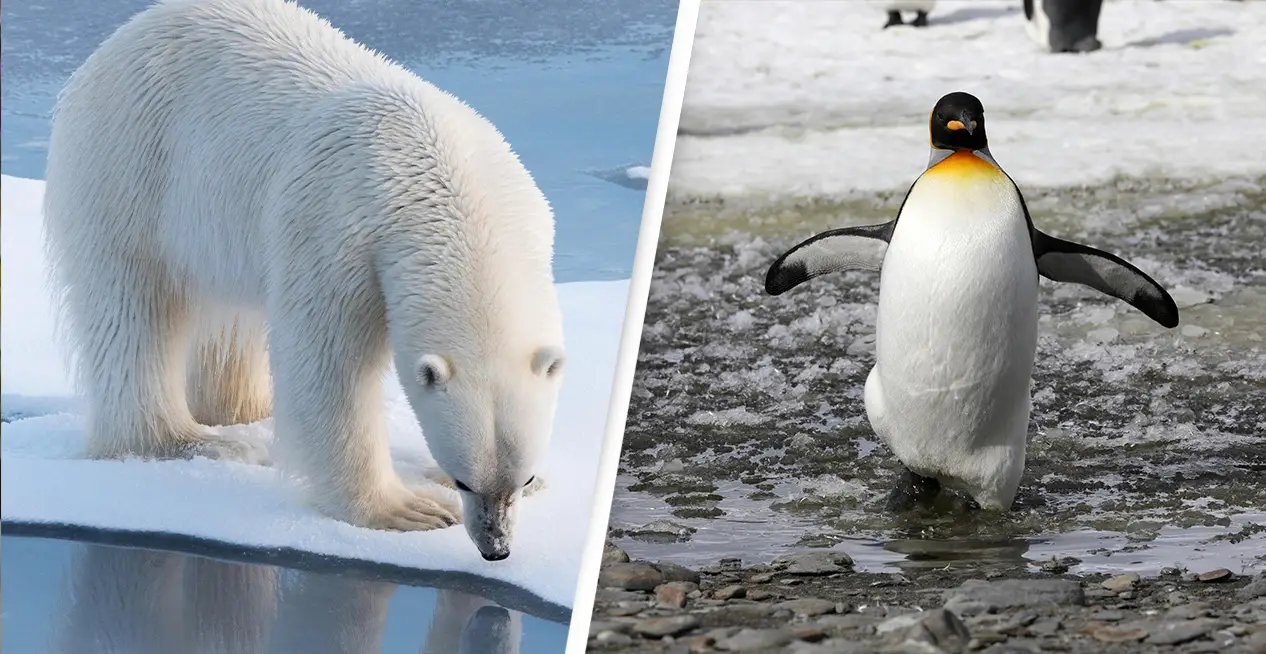
Researchers have expressed concern that nanoplastics are a 'bigger pollution problem than we thought', after discovering the particles in both the Arctic and Antarctic for the first time.
In a newly-published study, scientists at the University of Utrecht in the Netherlands revealed they have found the tiny plastic particles, which are smaller and more toxic than microplastics, in both polar regions, indicating that the plastic pollution has reached all corners of the world.
Concerningly, their research showed that particles found in Greenland – a Danish autonomous region in the Arctic circle – had been there for as long as 50 years.
Advert
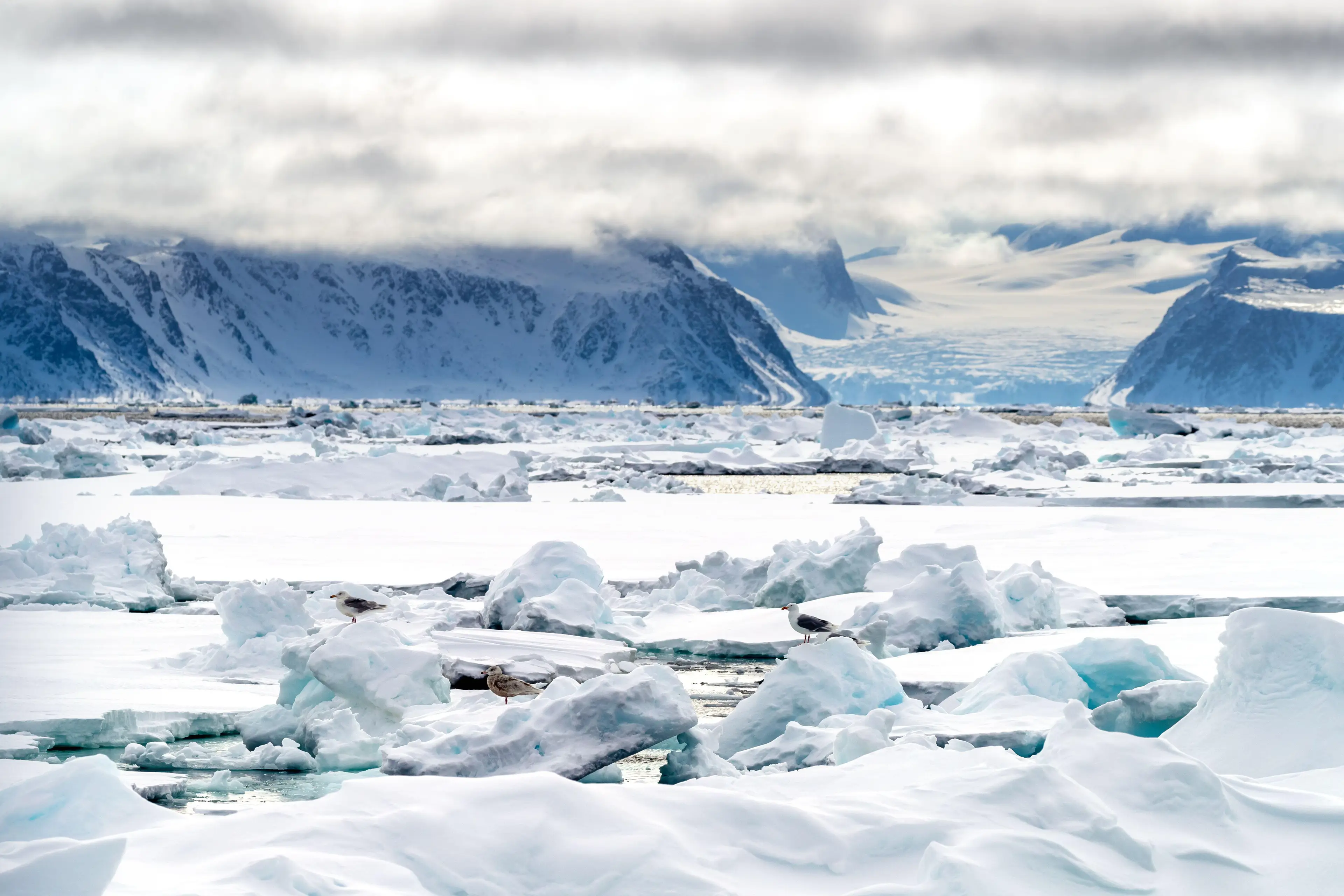
Roughly one-quarter of the nanoplastics found in the Arctic came from vehicle tyre dust, thought to have been blown to the region on winds from North America and Asia. However, the majority of the plastic pollution in both the Arctic and Antarctic (where the concentration of particles was four times higher) was from polyethylene – a plastic used in things like shopping bags and bottles.
The impact of nanoplastics and microplastic on human health is as yet unknown, however experts believe that plastic pollution is set to pose a serious threat to our ecosystems over the coming decades, with the amount of plastic waste in the oceans predicted to triple within the next 20 years.
'Our data suggest that nanoplastics pollution is not a new problem, we are only now becoming aware of it,' study leader Dr Dusan Materic said, per the Daily Mail.
'In the Greenland core, we see nanoplastics pollution happening all the way from 1960s. So organisms in that region, and likely all over the world, have been exposed to it for quite some time now.'
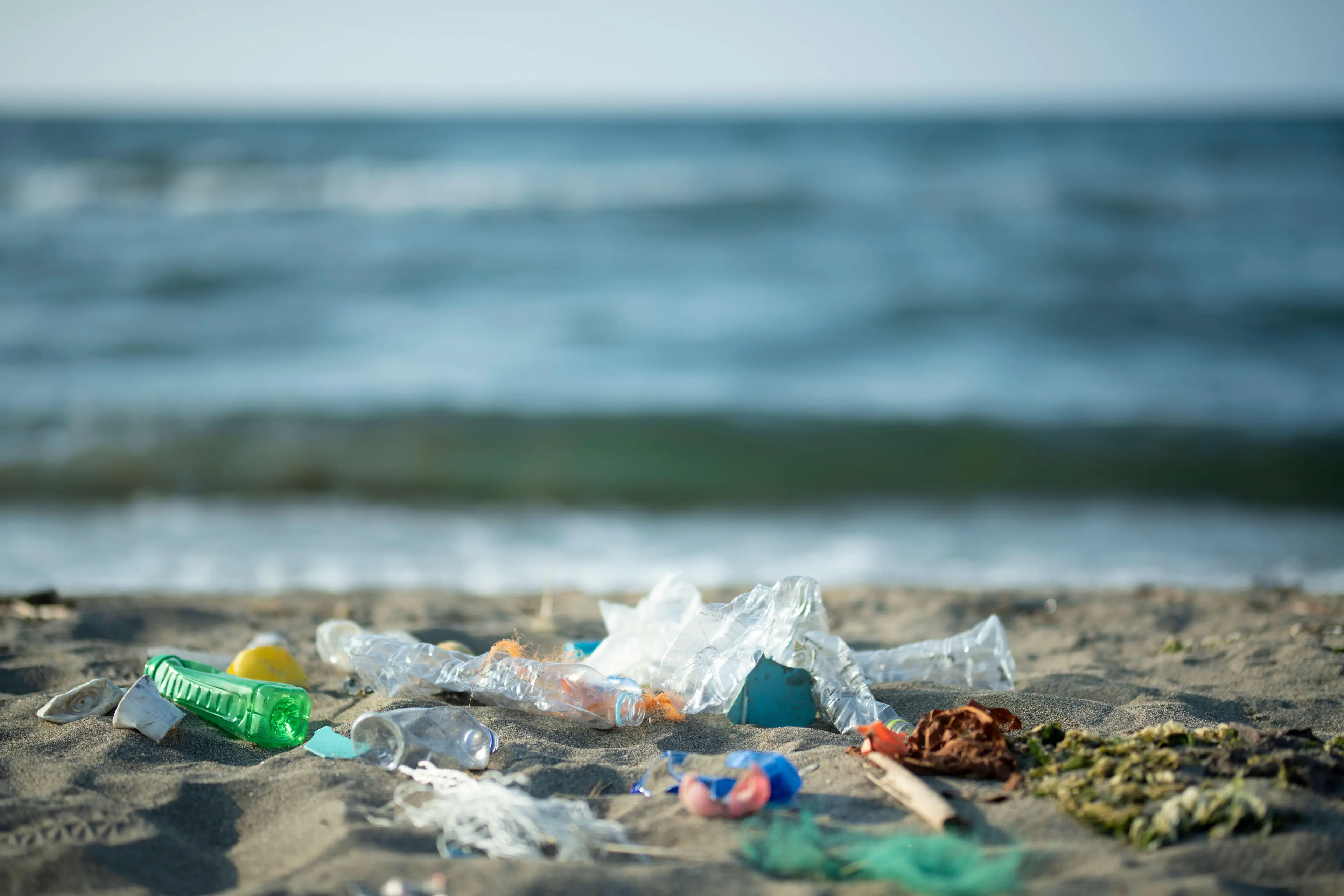
Plastic pollution has already been discovered in some of the most far-flung regions of the Earth, including at the top of Mount Everest, however this study makes clear the extent to which it has spread throughout the globe.
Research conducted by the University of Portsmouth suggests that humans could be breathing in as many as 2,000-7,000 microplastic particles per day, with studies underway looking into the potential impact these particles could have.
'This data is really quite shocking,' respiratory specialist Anoop Jivan Chauhan told The Guardian. 'Potentially we each inhale or swallow up to 1.8m microplastics every year and once in the body, it’s hard to imagine they’re not doing irreversible damage.'
If you have a story you want to tell, send it to UNILAD via [email protected]
Topics: Antarctica, Environment
 Hannah Smith