unilad homepage
unilad homepage
  • News
    • UK News
    • US News
    • World News
    • Crime
    • Health
    • Money
    • Sport
    • Travel
  • Music
  • Technology
  • Film and TV
    • News
    • DC Comics
    • Disney
    • Marvel
    • Netflix
  • Celebrity
  • Politics
  • Advertise
  • Terms
  • Privacy & Cookies
  • LADbible Group
  • LADbible
  • SPORTbible
  • GAMINGbible
  • Tyla
  • UNILAD Tech
  • FOODbible
  • License Our Content
  • About Us & Contact
  • Jobs
  • Latest
  • Archive
  • Topics A-Z
  • Authors
Facebook
Instagram
X
Threads
TikTok
YouTube
Submit Your Content
'Inhumane' way man died after surviving three attempted executions whilst on death row
Home>News>US News
Published 13:28 18 Aug 2024 GMT+1

'Inhumane' way man died after surviving three attempted executions whilst on death row

The inmate complained of suffering from PTSD due to his previous close brushes with death

Gerrard Kaonga

Gerrard Kaonga

google discoverFollow us on Google Discover
Featured Image Credit: Alabama Department of Corrections

Topics: Death Row, News, US News

Gerrard Kaonga
Gerrard Kaonga

Gerrard is a Journalist at UNILAD and has dived headfirst into covering everything from breaking global stories to trending entertainment news. He has a bachelors in English Literature from Brunel University and has written across a number of different national and international publications. Most notably the Financial Times, Daily Express, Evening Standard and Newsweek.

Advert

Advert

Advert

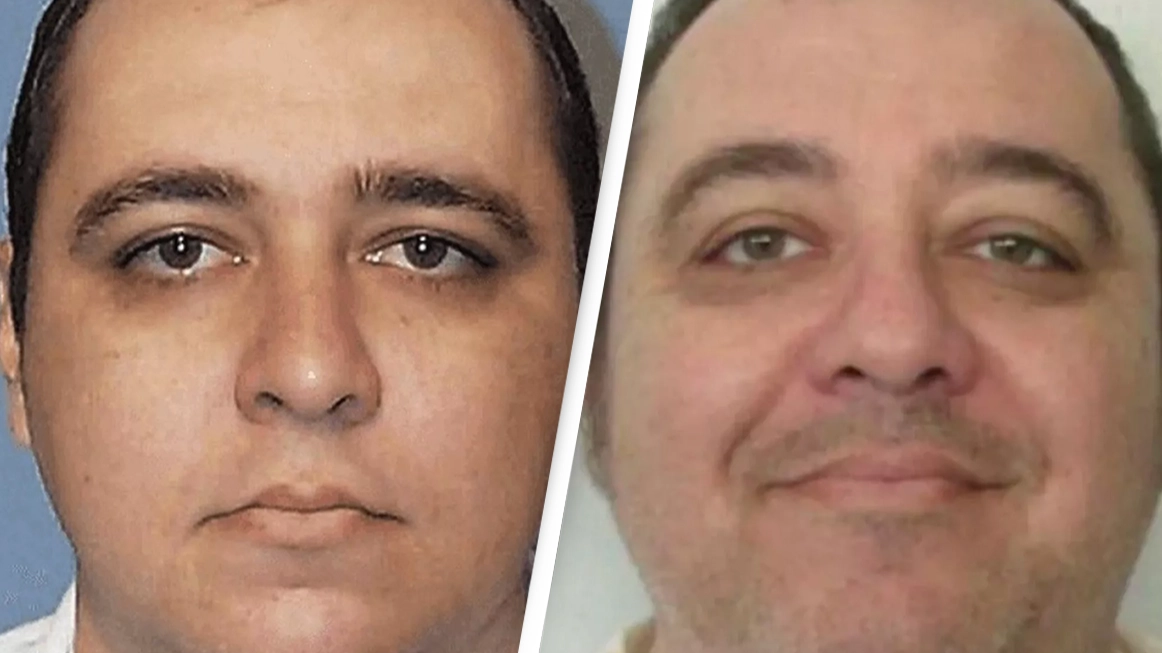
A death row inmate finally took his last breath earlier this year after already surviving one visit to the death chamber and escaping two executions.

Kenneth Eugene Smith was executed on January 25, 2024 by a new controversial execution method used in Alabama.

Smith was initially sentenced to death back in 1989 after being convicted of capital murder for the death of Elizabeth Sennett.

He was one of two men convicted for the crime after he was hired as a hitman by Elizabeth's husband, pastor Charles Sennett, to kill her so Charles could claim a large insurance policy pay out.

Advert

Unlike many other prisoners on death row, Smith had three brushes with death and survived.

While on death row, Smith had two successful appeals against his execution, resulting in two different dates being cancelled. However, he would eventually be sentenced to death again.
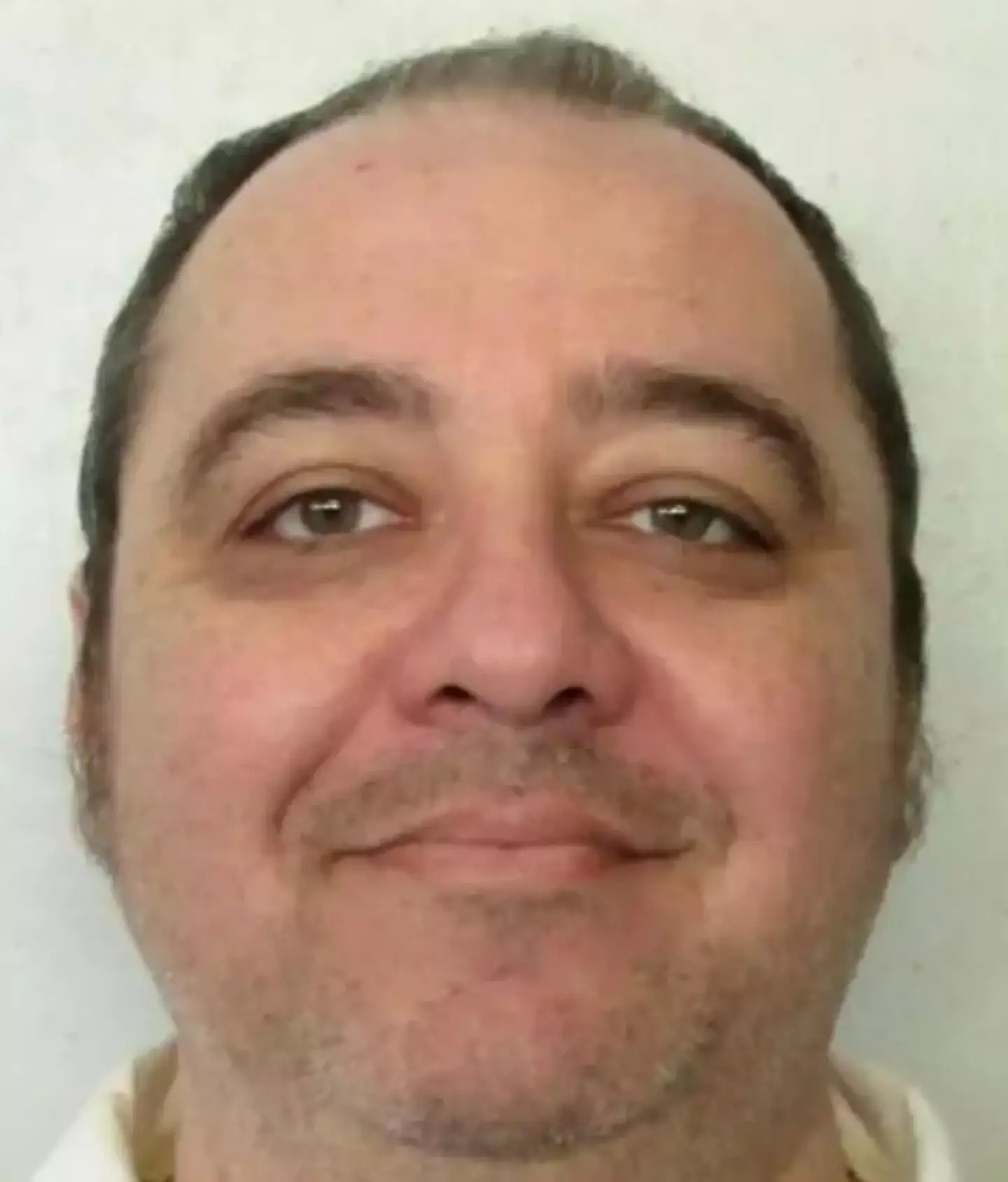
Kenneth Eugene Smith was on death row since 1989 (Alabama Department of Corrections)

His closest brush with death saw him get taken from his cell and into the death chamber in November, 2022 to die by lethal injection.

However, after Smith was strapped to the gurney, executioners failed to find a vein and were forced to abandon the attempt when the state's death warrant expired at midnight.

Speaking on this incident, Smith claimed it gave him PTSD and he would regularly have nightmares and panic attacks about the experience.

Following this, it was decided that Smith would be the first to die by an 'inhumane' new execution method in Alabama.

The controversial method sees an inmate die by the use of nitrogen hypoxia.

Alabama alongside Oklahoma and Mississippi are the only states to authorize the use of nitrogen hypoxia to execute prisoners, but Alabama was the first to use it to execute someone.

The use of nitrogen gas would deprive the inmate of oxygen, causing them to fall unconscious and pass away. However, critics argued its use was inhumane and that Smith was being used as a guinea pig.

Discussing the use of this method in a December court hearing, the state attorney's general office said it would 'cause unconsciousness within seconds, and cause death within minutes'.
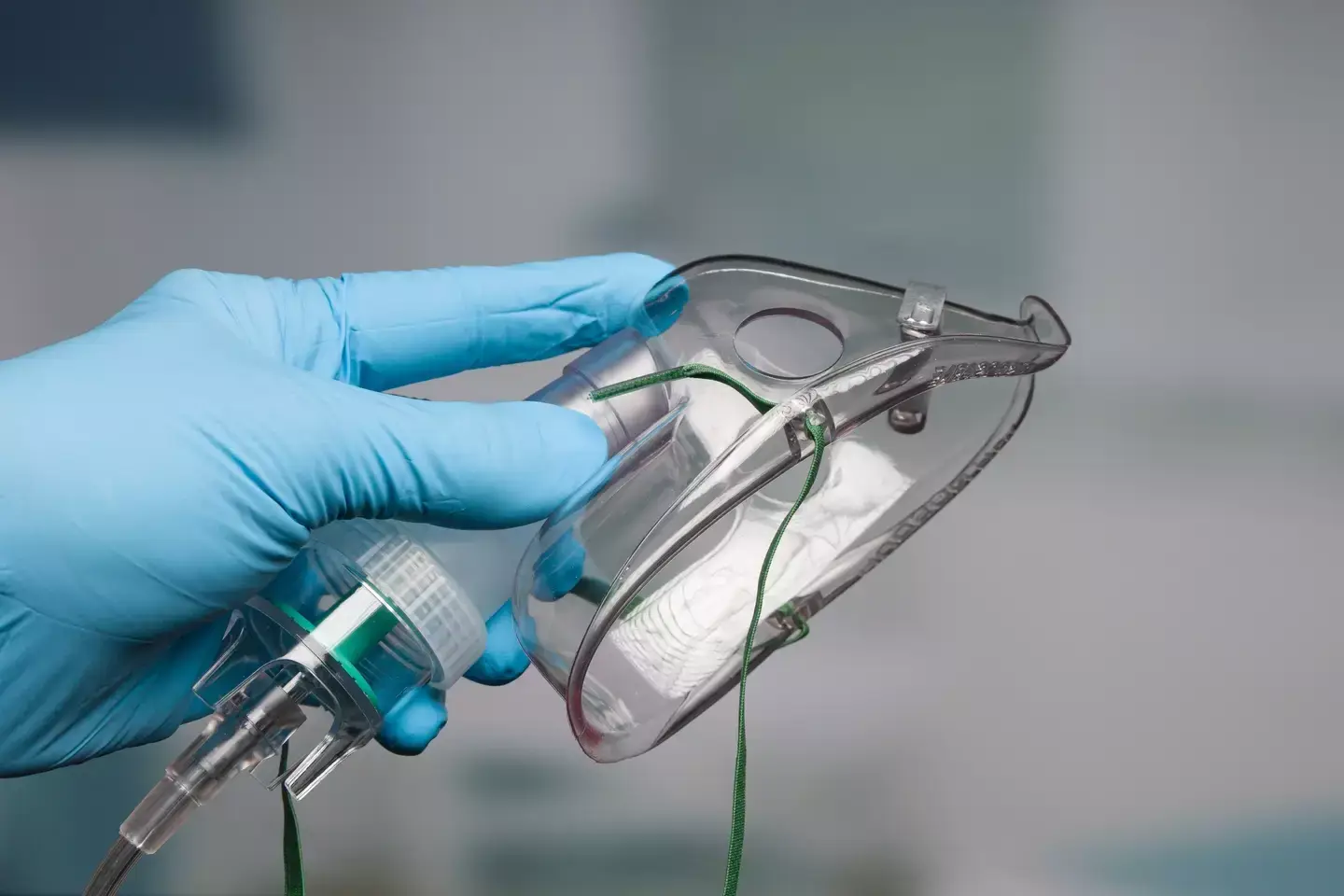
The execution method of nitrogen hypoxia has been heavily criticized for being 'inhumane'. (Getty Stock Image)

The actual execution of Smith in January of this year was described by a reporter who was present and spoke of the unconventional death.

Smith's final words were simply: "Tonight Alabama causes humanity to take a step backwards," before he acknowledged his loved ones by saying: "I'm leaving with love, peace, and light. Thank you for supporting me. Love all of you."

A mask was then placed over Smith's face, where pure nitrogen gas was administered, causing oxygen deprivation. However, rather than passing out, Smith began to ‘writhe and convulse’ on the gurney. It's also said he ‘took deep breaths’ and that he ‘clenched his fists’ while his ‘legs shook’.

“He seemed to be gasping for air,” he claimed. “The gurney shook several times.”

He was pronounced dead at 8:25pm CST - 22 minutes after the nitrogen gas was first administered.

Choose your content:

12 hours ago
13 hours ago
  • Getty Stock Photo
    12 hours ago

    Doctor shares what you need to know about new Wegovy weight loss pill as it becomes available to thousands

    The weight loss pill was recently approved for use in the UK

    News
  • Al Bello/Getty Images
    12 hours ago

    Almost all World Cup players are wearing pink boots this year and it could spell a 'disaster'

    The bold colour choice isn't just about making a fashion statement - there's a scientific reason behind it

    News
  • Getty Stock Photo
    13 hours ago

    Experts reveal the foods to eat before and after drinking that could make your hangover far less brutal

    These foods may just save you from a dreaded hangover

    News
  • Kyle Grillot/Bloomberg via Getty Images
    13 hours ago

    Symptoms of 'silent' autoimmune disease as biohacker Bryan Johnson reveals incurable diagnosis

    He reportedly spends $2 million a year on his health

    News
  • Former death row inmate who had three final meals returns to court for retrial
  • Death Row psychologist for infamous serial killers answers biggest question about last meal request
  • Florida's oldest death row inmate sends message to victim's family in final words as they remain silent
  • Psychologist who’s interviewed hundreds of death row inmates says there's one trait they all have in common