unilad homepage
  • News
    • UK News
    • US News
    • World News
    • Crime
    • Health
    • Money
    • Sport
    • Travel
  • Film and TV
    • Netflix
  • Music
  • Tech
  • Features
  • Celebrity
  • Politics
  • Advertise
  • Terms
  • Privacy & Cookies
  • LADbible Group
  • LADbible
  • SPORTbible
  • GAMINGbible
  • Tyla
  • UNILAD Tech
  • FOODbible
  • License Our Content
  • About Us & Contact
  • Jobs
  • Latest
  • Archive
  • Topics A-Z
  • Authors
Facebook
Instagram
X
Threads
TikTok
YouTube
Submit Your Content
'Doomsday Glacier' that could flood New York and Miami is melting and experts are calling for ‘major’ intervention

Home> News> World News

Published 15:27 8 Nov 2024 GMT

'Doomsday Glacier' that could flood New York and Miami is melting and experts are calling for ‘major’ intervention

The Thwaites Glacier could collapse within 200 years

Emily Brown

Emily Brown

google discoverFollow us on Google Discover
Featured Image Credit: Elmvilla/cmart7327/Getty Images

Topics: Climate Change, Environment, Science, Technology, World News, Antarctica

Emily Brown
Emily Brown

Emily Brown is UNILAD Editorial Lead at LADbible Group. She first began delivering news when she was just 11 years old - with a paper route - before graduating with a BA Hons in English Language in the Media from Lancaster University. Emily joined UNILAD in 2018 to cover breaking news, trending stories and longer form features. She went on to become Community Desk Lead, commissioning and writing human interest stories from across the globe, before moving to the role of Editorial Lead. Emily now works alongside the UNILAD Editor to ensure the page delivers accurate, interesting and high quality content.

Advert

Advert

Advert

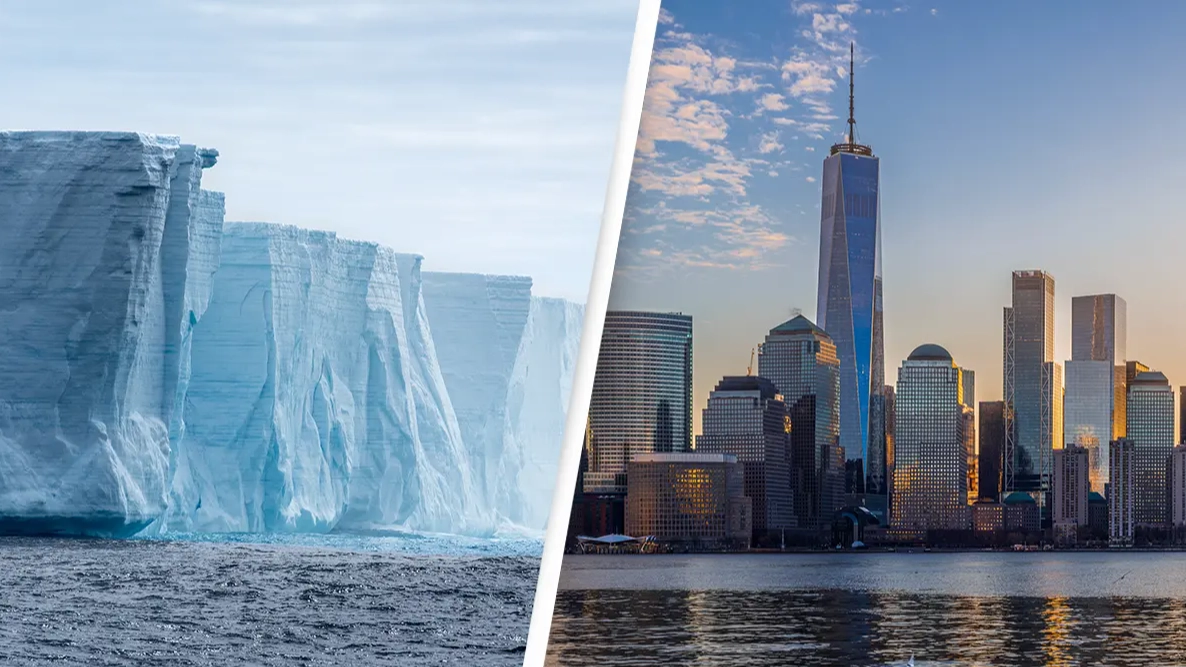
The melting of a so-called 'Doomsday Glacier' that has the power to completely devastate communities like Miami has prompted scientists to call for urgent intervention.

It's no secret that climate change is resulting in rising sea levels and increasing temperatures, but the true impact of what that means has been put into perspective through reports on the Thwaites Glacier, aka the Doomsday Glacier, which holds enough water to increase sea levels by more than two feet.

However, because Thwaites also acts as a 'cork' to the larger Antarctic ice sheet, its collapse could actually cause sea levels to rise by around 10 feet, which would have a devastating impact on coastal communities across the globe.
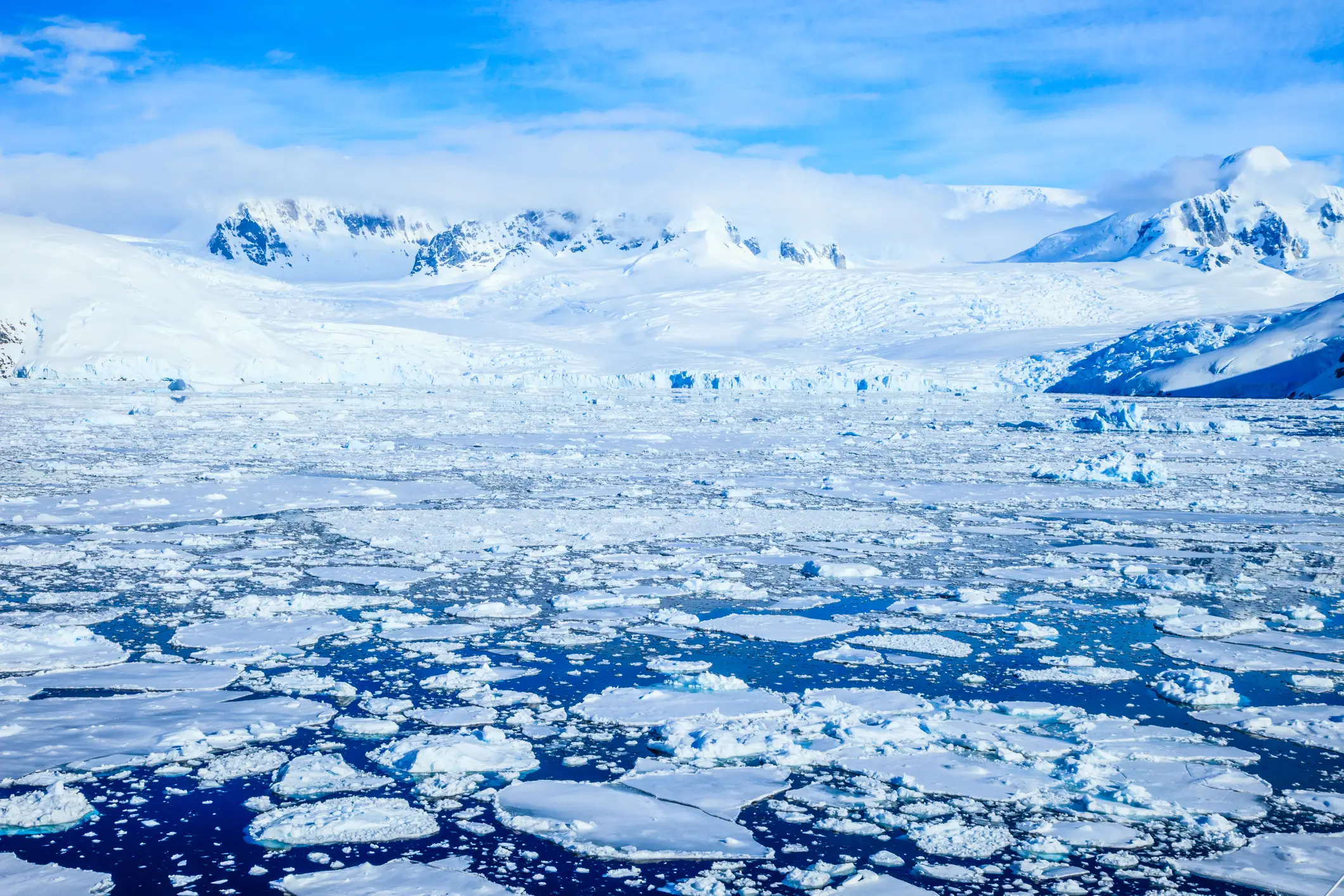
The Thwaites Glaicer acts as a 'cork' to the ice sheet (Getty Stock Photo)

Advert

In September, the International Thwaites Glacier Collaboration published its findings after studying the glacier since 2018, and found that rapid ice loss is set to speed up this century - so much so that the entire glacier could collapse within 200 years.

According to CNN, Rob Larter, a marine geophysicist at the British Antarctic Survey and part of the ITGC team, said: "Our findings indicate it is set to retreat further and faster."

The findings came just months after scientists with the University of Chicago published a paper on possible approaches to tackling sea level rise, and called for 'major initiative' to research which of the interventions could be used.

Two categories of interventions discussed by researchers include installing a type of 'curtains' on the seabed to prevent warm water from undermining glaciers, and trying to slow down the streams that carry melting water off the ice sheets.

Douglas MacAyeal, a professor of geophysical sciences with the University of Chicago, explained: “From preliminary studies, the actual engineering required might be smaller than you might think. For example, the Thwaites Glacier in Antarctica might require as little as 50 miles of seabed nets and curtains to make a difference.”
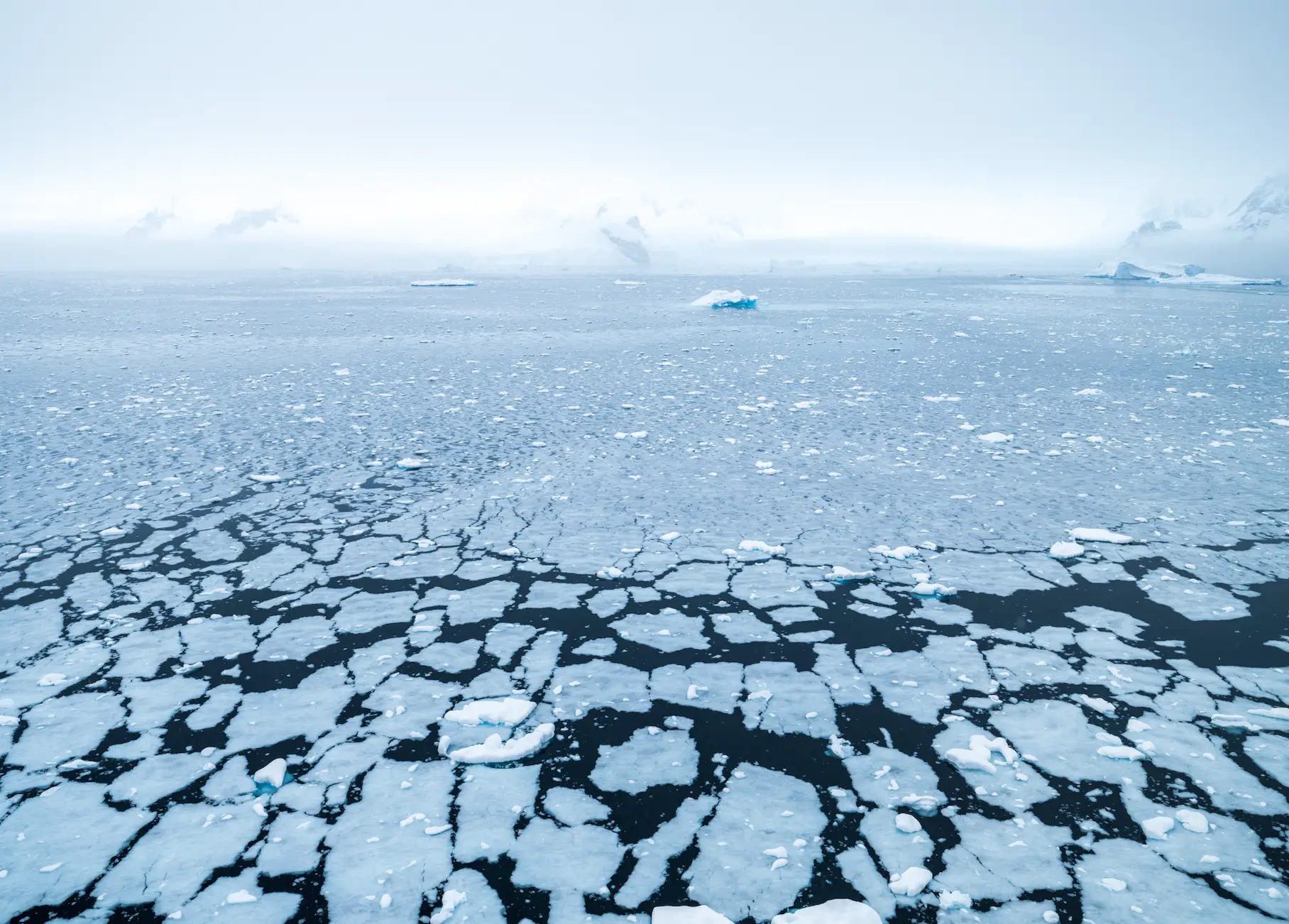
Rising sea temperatures are a threat to glaciers (Getty Stock Photo)

Though it will take years more research for scientists to be able to properly recommend or rule out appropriate intervention methods, MacAyeal added: "Our argument is that we should start funding this research now, so that we aren’t making panicked decisions down the road when the water is already lapping at our ankles."

Researchers noted that interventions would need to be a collaborative effort from nations across the globe, requiring 'robust participation of sociologists, humanists, ecologists, community leaders, scientific and engineering governing bodies, international treaty organizations, and other relevant stakeholders in guiding the research'.

Choose your content:

4 hours ago
5 hours ago
  • FOX via Getty Images
    4 hours ago

    Kidnap victim Elizabeth Smart wins first place in bodybuilding competition as she reveals her new passion

    Smart now works to support and protect children from abuse after her own horrific childhood ordeal

    News
  • VALERIE MACON / AFP via Getty Images
    4 hours ago

    Adam Scott describes 'terrible' time he had at Coachella and why he 'hated it'

    The 'Severance' star had been to Coachella before, but his experience this year left him hating it

    Celebrity
  • Getty Stock Image
    5 hours ago

    Doctor explains when stomach pain should worry you with 4 signs to look out for

    Some forms of stomach pain should have you calling for an ambulance, an emergency doctor has explained

    News
  • X/@LVMPD
    5 hours ago

    Man who climbed Las Vegas Sphere to raise money for pregnant homeless woman receives prison sentence

    Maison Des Champs raised $48,000 for a pro-life non-profit, but caused $100,000 worth of damage in the process

    News
  • 3 cities at risk of being swallowed if ‘Doomsday Glacier’ melts after experts issued terrifying warning
  • What will actually happen if the Doomsday Clock hits midnight as experts to make announcement today
  • Trump labeled ‘embarrassing and foolish’ as he makes major climate change move that could have a detrimental impact
  • Experts reveal five jobs that are 'AI-proof' and one key advantage humans have