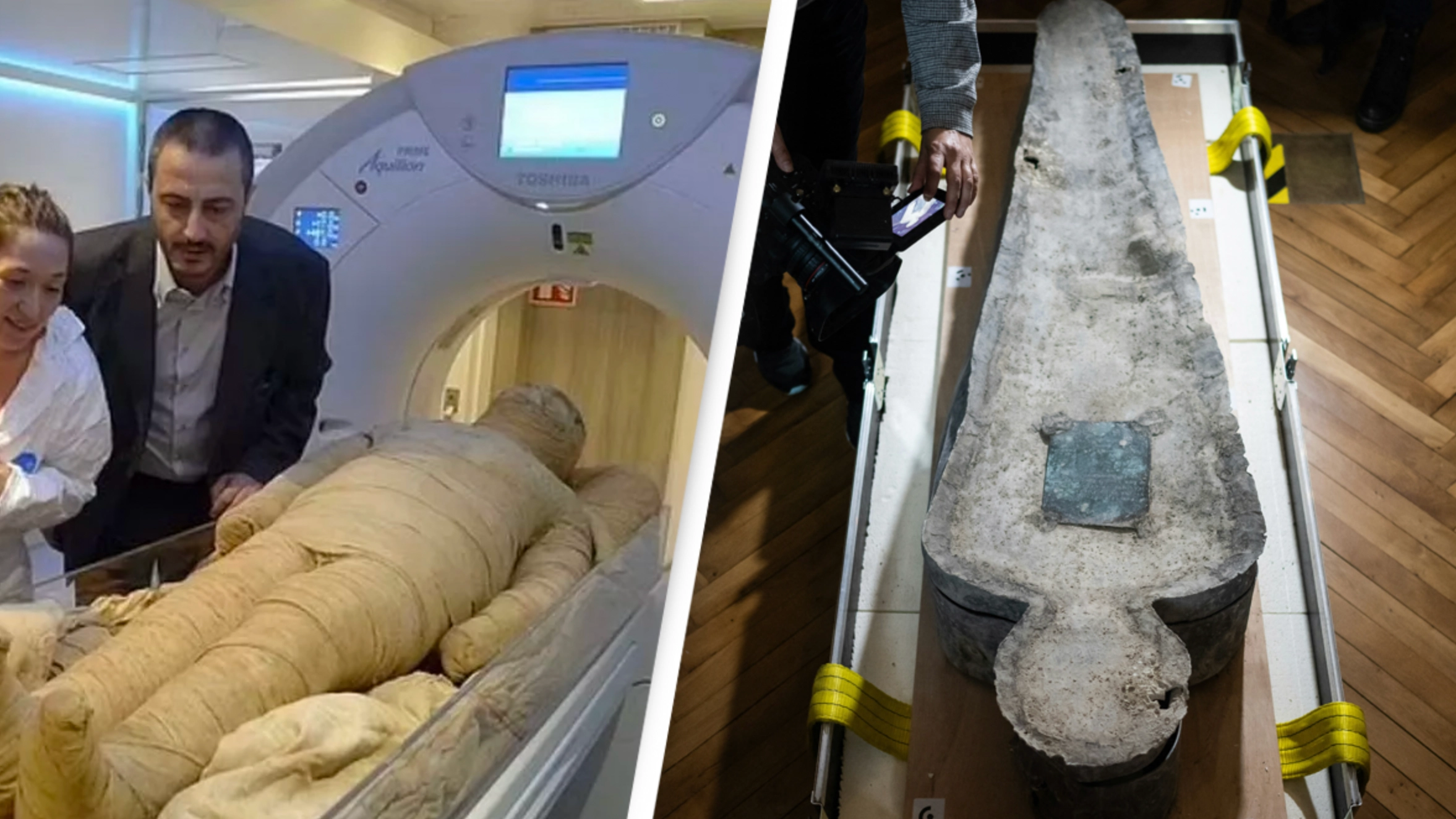
Ancient disease which wiped out 50,000,000 people found in DNA of Egyptian mummy

If I said 'bubonic plague' or 'The Black Death', you'd be right in thinking that I'm probably about to give you a history lesson or talk about medieval times.
You'd probably not think I'd then tell you about Ancient Egypt, right? Well, it turns out the two are linked, with an ancient mummy having traces of the pandemic that once wiped out 50 million people.
Typically, the bubonic plague is carried by rats and fleas, which were pretty rife in medieval times and that meant the illness spread rapidly and very quickly wiped out huge numbers of people. It wasn't an easy death either, as the illness comes with pretty nasty symptoms including skin sores, swollen lymph nodes and a sudden high fever as well as turning a victim's tongue black and then eventually killing them.

Advert
Whilst it's commonly thought of as a medieval illness, it could have even earlier links as an ancient mummy dating back to around 1780BC has been found to have traces of it.
The male mummified corpse is currently housed at the Museo Egizio in Turin, Italy, but archaeologists took samples to investigate and were surprised to find the bone tissue and intestinal content actually linked to The Black Death. Samples were positive for yersinia pestis, which is the bacteria behind the Bubonic Plague.
What makes the discovery even more important is that this is the first time it's been found outside of medieval Europe and Asia.
The archaeology team explained their findings in a report to the European Meeting of the Paleopathology Association, which said: "Here, we report the presence of Y. pestis DNA in an ancient Egyptian mummy of an adult male from the collection of the Museo Egizio in Turin, Italy.
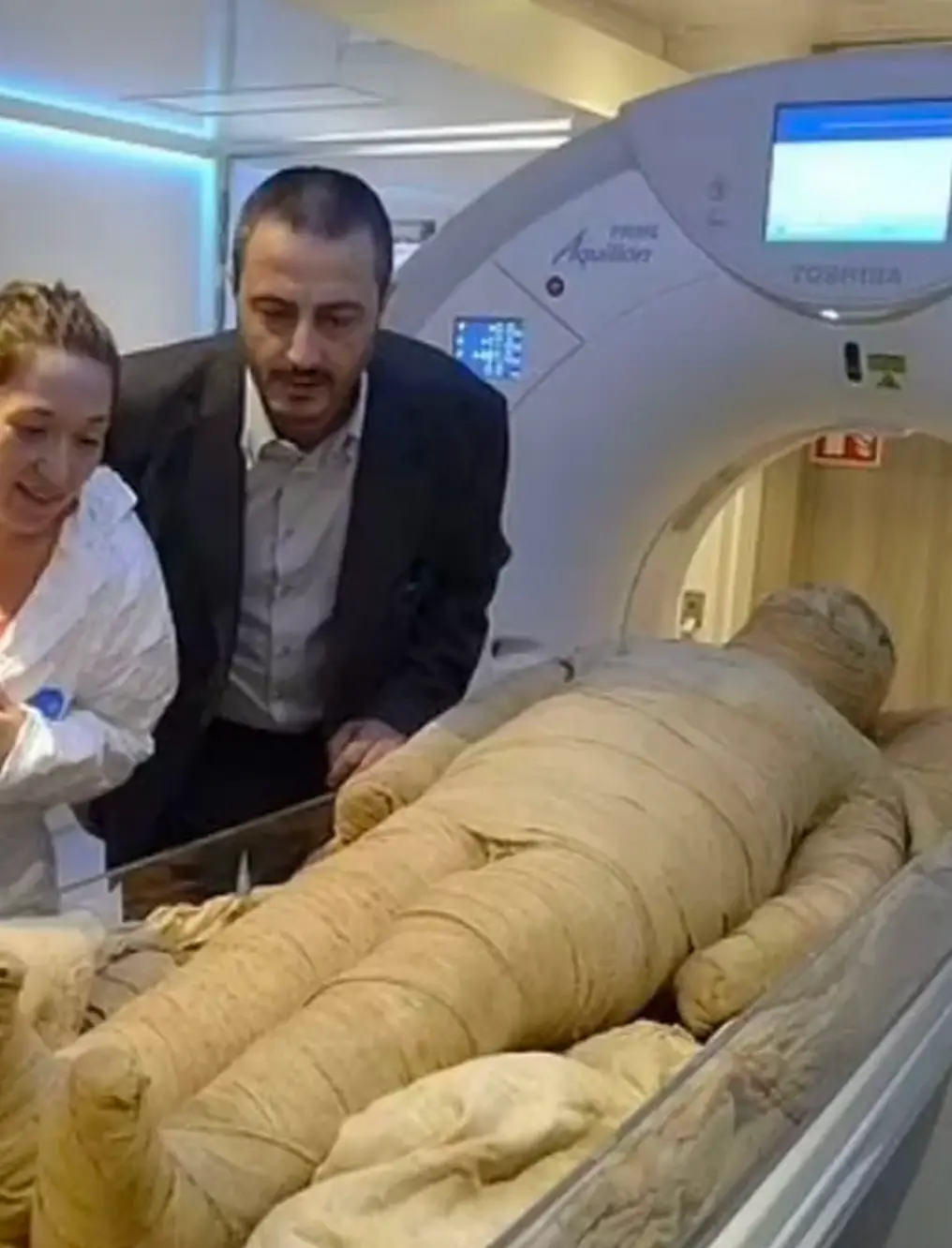
"The individual, who was anthropogenically mummified, was radiocarbon-dated from the end of the Second Intermediate Period to the beginning of the New Kingdom, yet its exact provenance within Egypt is unknown.
"Bone tissue and intestinal content derived from the mummy were first subjected to a shotgun metagenomics approach. Thereby, we detected Y. pestis DNA in both samples indicating broad tissue tropism of the pathogen during an already advanced state of disease progression.
"This is the first reported prehistoric Y. pestis genome outside Eurasia providing molecular evidence for the presence of plague in ancient Egypt, although we cannot infer how widespread the disease was during this time."
You'd be forgiven for thinking that the last time we've ever had to deal with The Black Death was back in medieval times and that now we have modern hygiene and technology, it's a thing of the past. Yet that's not quite true.
There have been modern-day cases of the plague, even as recent as 2015. Whilst it's not been found in the UK, cases have been noted in Africa, Asia, South America and the USA.
In fact, between 2010 and 2015 there were a total of 3,248 cases reported according to the figures from Public Health England. Despite it previously being fatal and contracting it meant a certain death sentence, these days it can be treated with antibiotics.
The spread of the illness is still down to animals, as Michael Marks, a professor at the London School of Hygiene and Tropical Medicine explained last year: "People with plague are very sick. They aren't getting on planes basically. So the way plague moves around the world isn't individuals with plague (unlike say COVID) but by infected animals.
"The risk to the UK is extremely low, close to zero, as evidenced by the fact that cases continue in the USA every year but we don't see cases reach the UK."
 Niamh Spence