unilad homepage
unilad homepage
    • News
      • UK News
      • US News
      • World News
      • Crime
      • Health
      • Money
      • Sport
      • Travel
    • Music
    • Technology
    • Film and TV
      • News
      • DC Comics
      • Disney
      • Marvel
      • Netflix
    • Celebrity
    • Politics
    • Advertise
    • Terms
    • Privacy & Cookies
    • LADbible Group
    • LADbible
    • SPORTbible
    • GAMINGbible
    • Tyla
    • UNILAD Tech
    • FOODbible
    • License Our Content
    • About Us & Contact
    • Jobs
    • Latest
    • Archive
    • Topics A-Z
    • Authors
    Facebook
    Instagram
    X
    Threads
    TikTok
    YouTube
    Submit Your Content
    Scientist reveals the specific creature most likely to 'rule Earth' if humans become extinct
    Home>News>World News
    Published 10:09 15 Nov 2024 GMT

    Scientist reveals the specific creature most likely to 'rule Earth' if humans become extinct

    It might not be robots that take over the world after all...

    Niamh Shackleton

    Niamh Shackleton

    google discoverFollow us on Google Discover
    Featured Image Credit: Getty Stock Images

    Topics: Science, Environment, Animals, News, Life

    Niamh Shackleton
    Niamh Shackleton

    Niamh Shackleton is an experienced journalist for UNILAD, specialising in topics including mental health and showbiz, as well as anything Henry Cavill and cat related. She has previously worked for OK! Magazine, Caters and Kennedy.

    X

    @niamhshackleton

    Advert

    Advert

    Advert

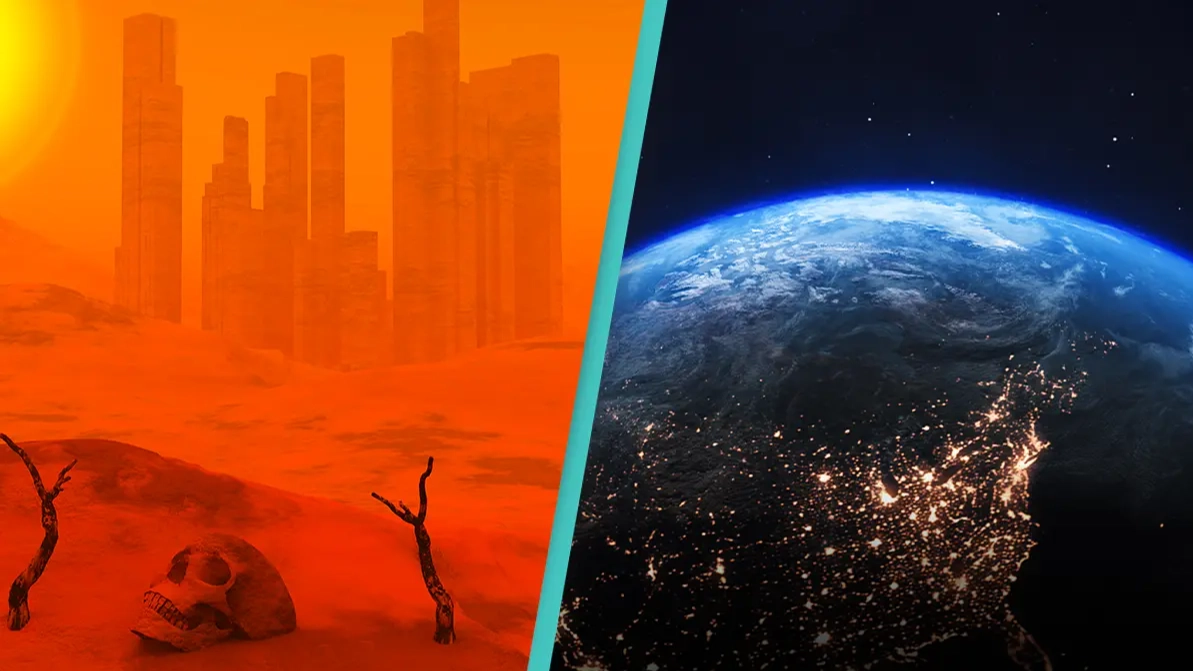
    While it's long been believed that robots will one day take over the world, one scientist has hedged his bets on a marine life species becoming Earth's next ruler.

    We've all seen movies like Terminator, The Mitchells vs. The Machines, and I, Robot, but Professor Tim Coulson has shared his views on what (or who) might take over our planet when we're gone, and it's not technology.

    Professor Coulson, who is Zoology professor and former head of Biology and Oxford University, has a new book titled The Universal History of Us, which delves into the science of life and our existence.

    Advert

    As well all know, humans are currently the dominant species on Earth - but should we go extinct, Professor Coulson explained that 'other species could gradually take on new ecological roles'.

    "Life will likely persist on Earth for another billion years, so I pondered which species might take our place, building the first non-human civilzation," he told The European.

    Primates are the most human-like animals that live alongside us, arguably making them the perfect successor for if or when we got extinct.

    However, Professor Coulson explained that their similarities to humans may work against them and there's a chance they'll go extinct at the same time we do.

    So what species could be Earth's new prominent species, I hear you ask?
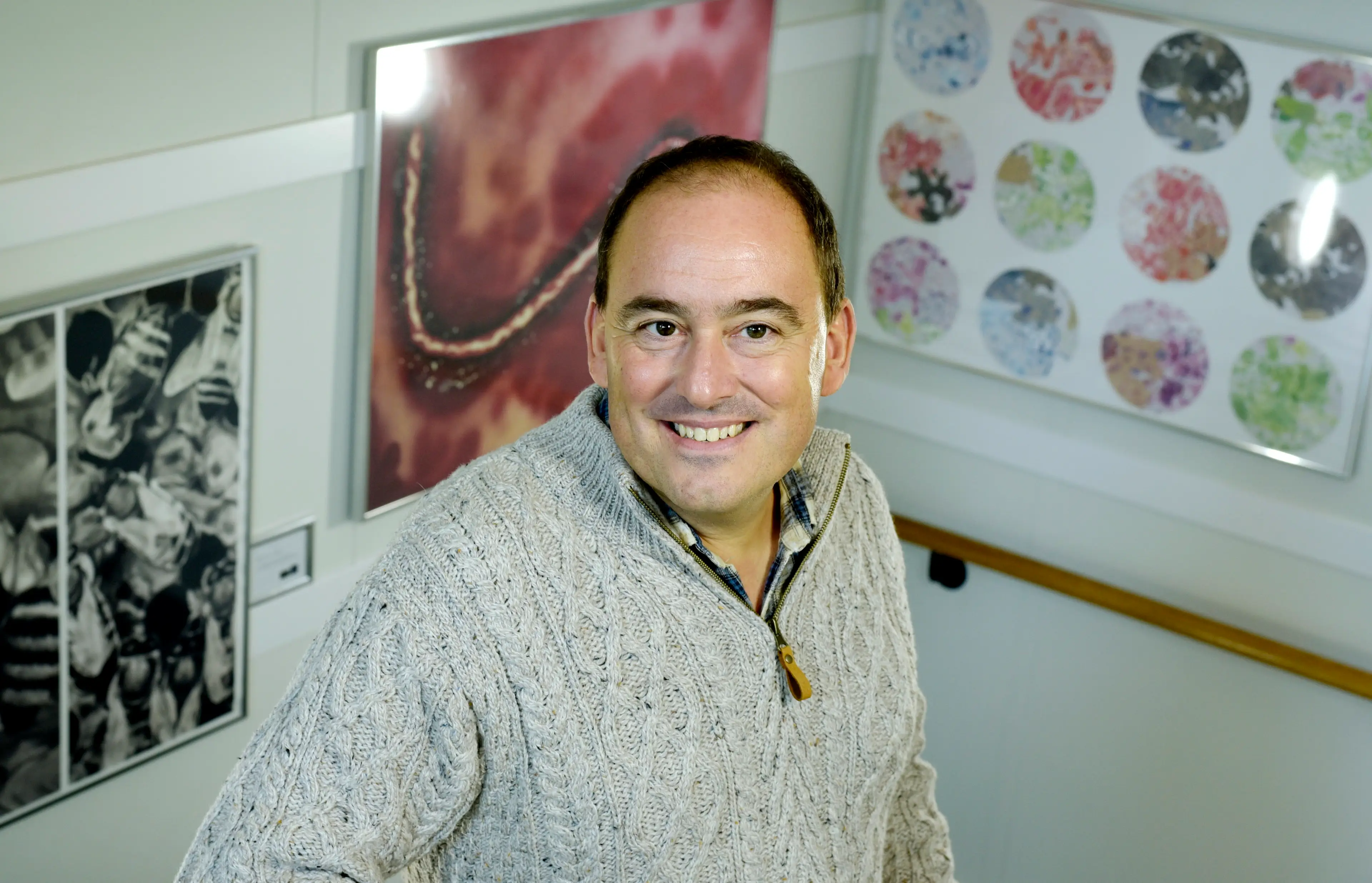
    Professor Tim Coulson has shared his thoughts on what species may one day rule the world (SWNS)
    Professor Tim Coulson has shared his thoughts on what species may one day rule the world (SWNS)

    Octopuses, apparently.

    "Octopuses are among the most intelligent, adaptable, and resourceful creatures on Earth," the biology expert said.

    "Their ability to solve complex problems, communicate with one another in flashes of colour, manipulate objects, and even camouflage themselves with stunning precision suggests that, given the right environmental conditions, they could evolve into a civilisation-building species following the extinction of humans.

    "Their advanced neural structure, decentralized nervous system, and remarkable problem-solving skills make several species of octopus well suited for an unpredictable world.

    "These qualities could allow them to exploit new niches and adapt to a changing planet, especially in the absence of human influence."
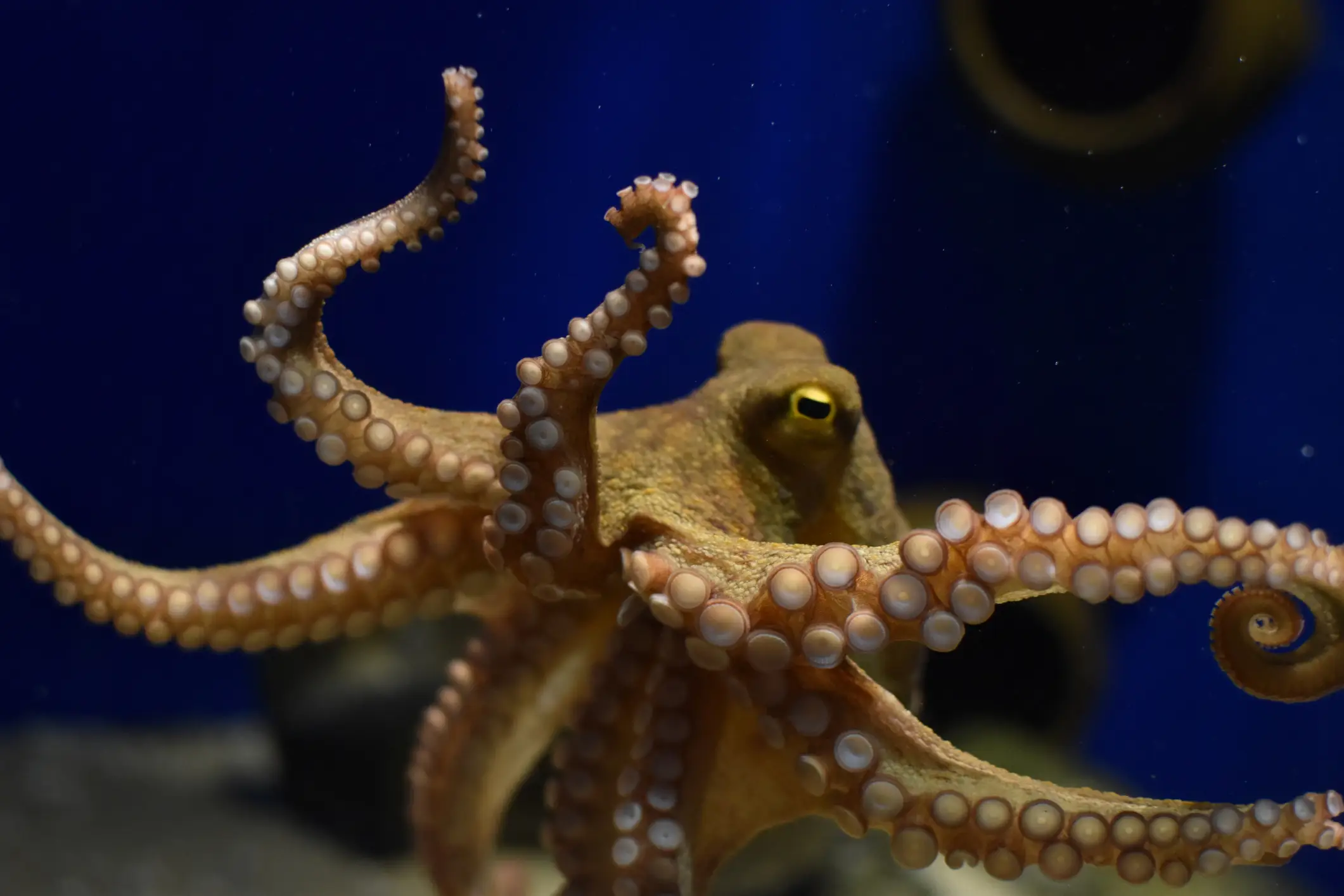
    Octopuses could become 'the brains of the sea', says Professor Coulson (Getty Stock)
    Octopuses could become 'the brains of the sea', says Professor Coulson (Getty Stock)

    Who would have thought?

    While Professor Coulson would put his money on octopuses filling our shoes one day and becoming 'the brains of the sea', he did note that it is 'impossible to predict with any degree of certainty how evolution will unfold over extended periods'.

    For anyone worried that octopuses might take over in the near future, fear not as humans are not expected to go extinct for a few million years yet.

    BRB, off to call Tim Burton to suggest a Planet of the Octopuses film franchise (so long, Planet of the Apes).

    • Scientist reveals exactly what would happen to your body if you walked into a black hole
    • Oceans are getting darker and it could have a huge impact on life on Earth
    • Astronaut who spent 178 days in space reveals 'big lie' he realized after seeing Earth
    • Terrifying map reveals where drinking water is most polluted by ‘forever chemicals’ in the US

    Choose your content:

    6 hours ago
    7 hours ago
    8 hours ago
    • Getty Stock
      6 hours ago

      What your answer to 'the Red or blue Button' dilemma means, according to science

      The red button or blue button debate has split social media in half, but a game theory expert has broken down what it actually means

      News
    • TLC
      7 hours ago

      The horrific crimes 90 Day Fiancé Geoffrey Paschel went to prison for explained

      Geoffrey Paschel appeared on our TV screens not long before being imprisoned for 18 years over a brutal attack on his ex

      News
    • Getty Stock
      8 hours ago

      The simple way swingers spot each other on a ‘spicy’ cruise explained

      There's a simple way to tell if passengers are up for 'play'...

      News
    • Getty Stock Image
      8 hours ago

      The six stages of a relationship explained and what to expect

      Knowing if your relationship is on the right track isn't easy, but there are six stages that all couples can expect to go through

      News