Reason why champagne bottles on the Titanic never imploded

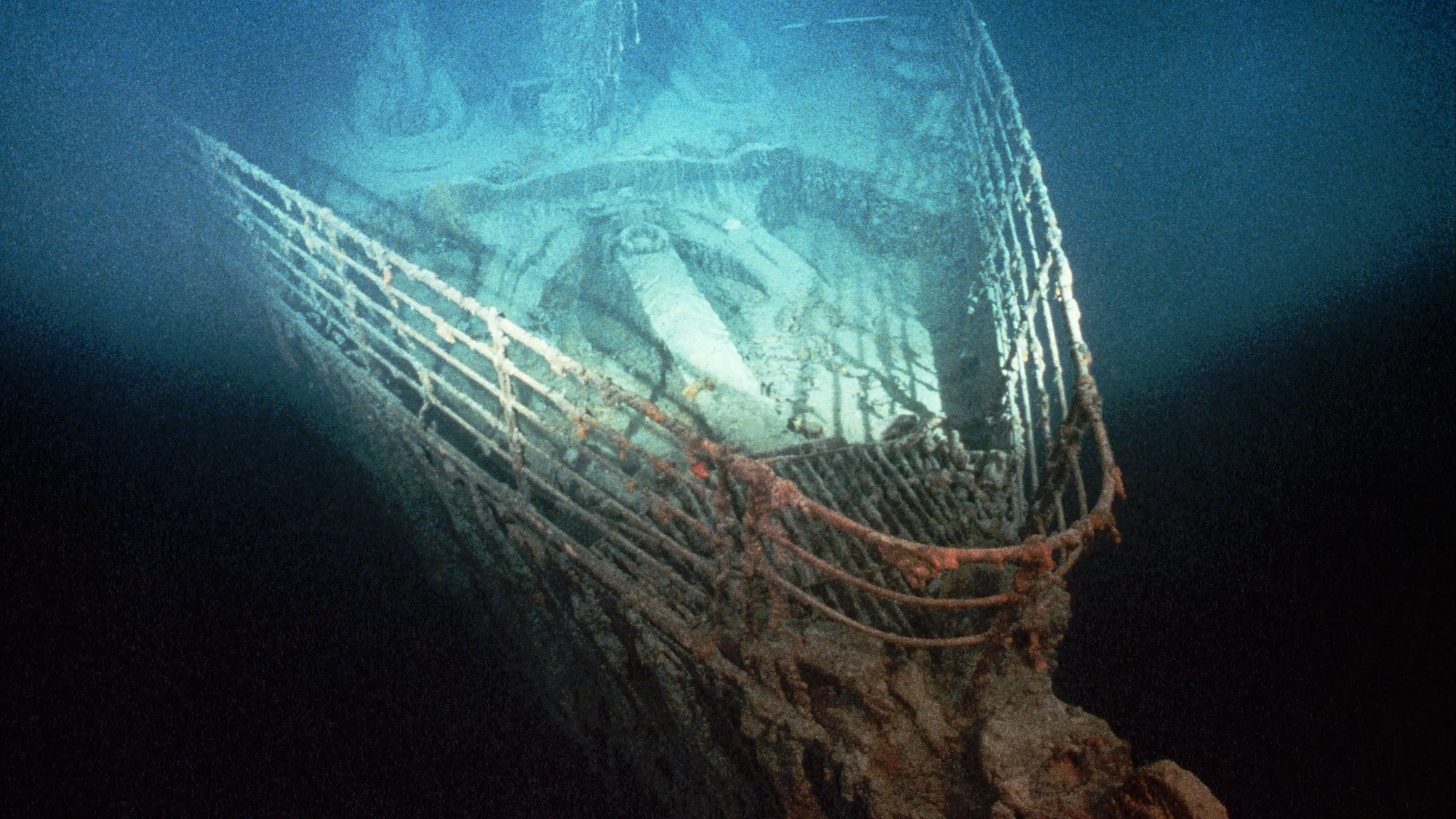
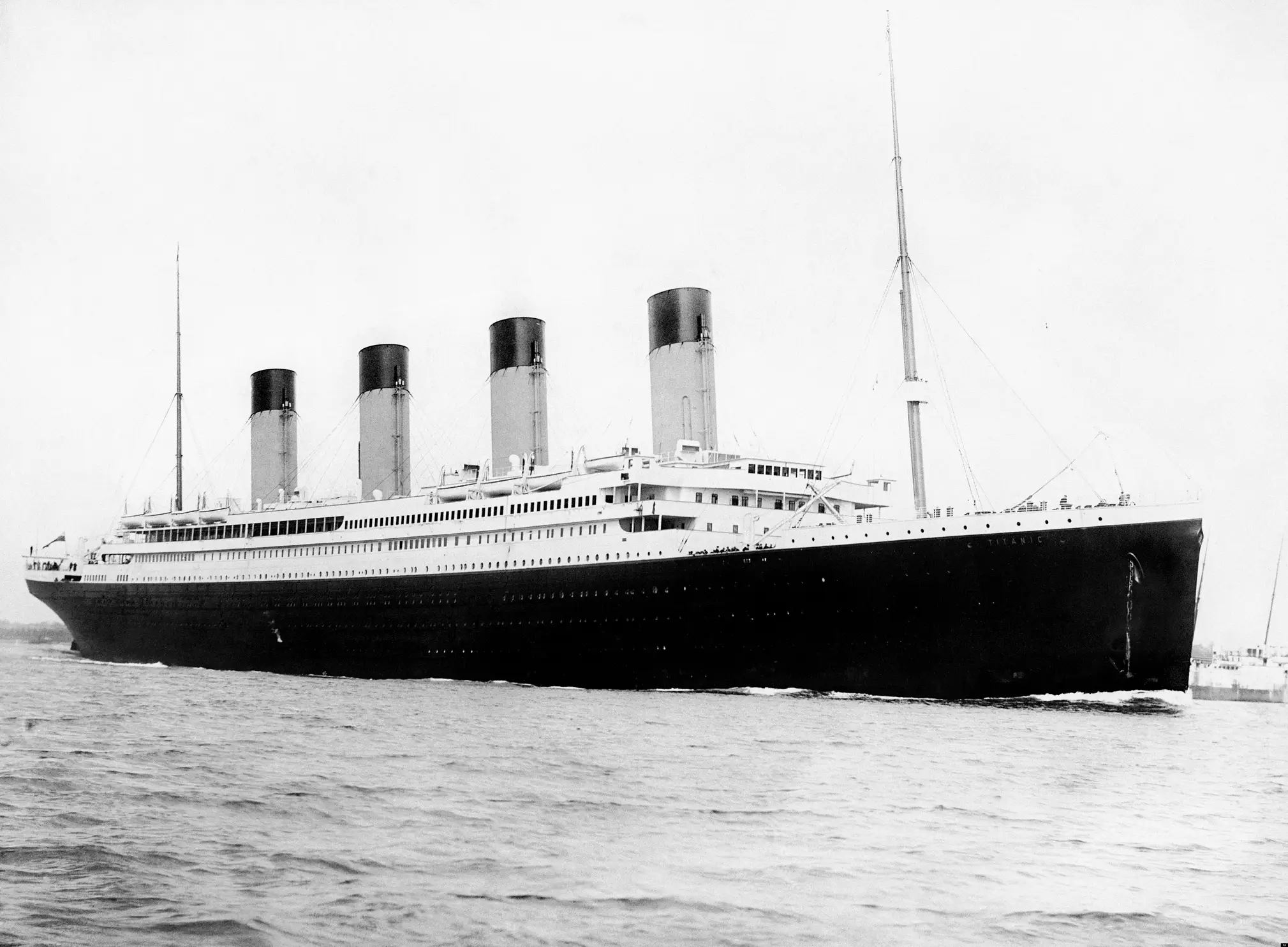
More than a century after the Titanic sank to the bottom of the Atlantic Ocean, one detail continues to baffle people who come across images of the wreck: the fully intact champagne bottles.
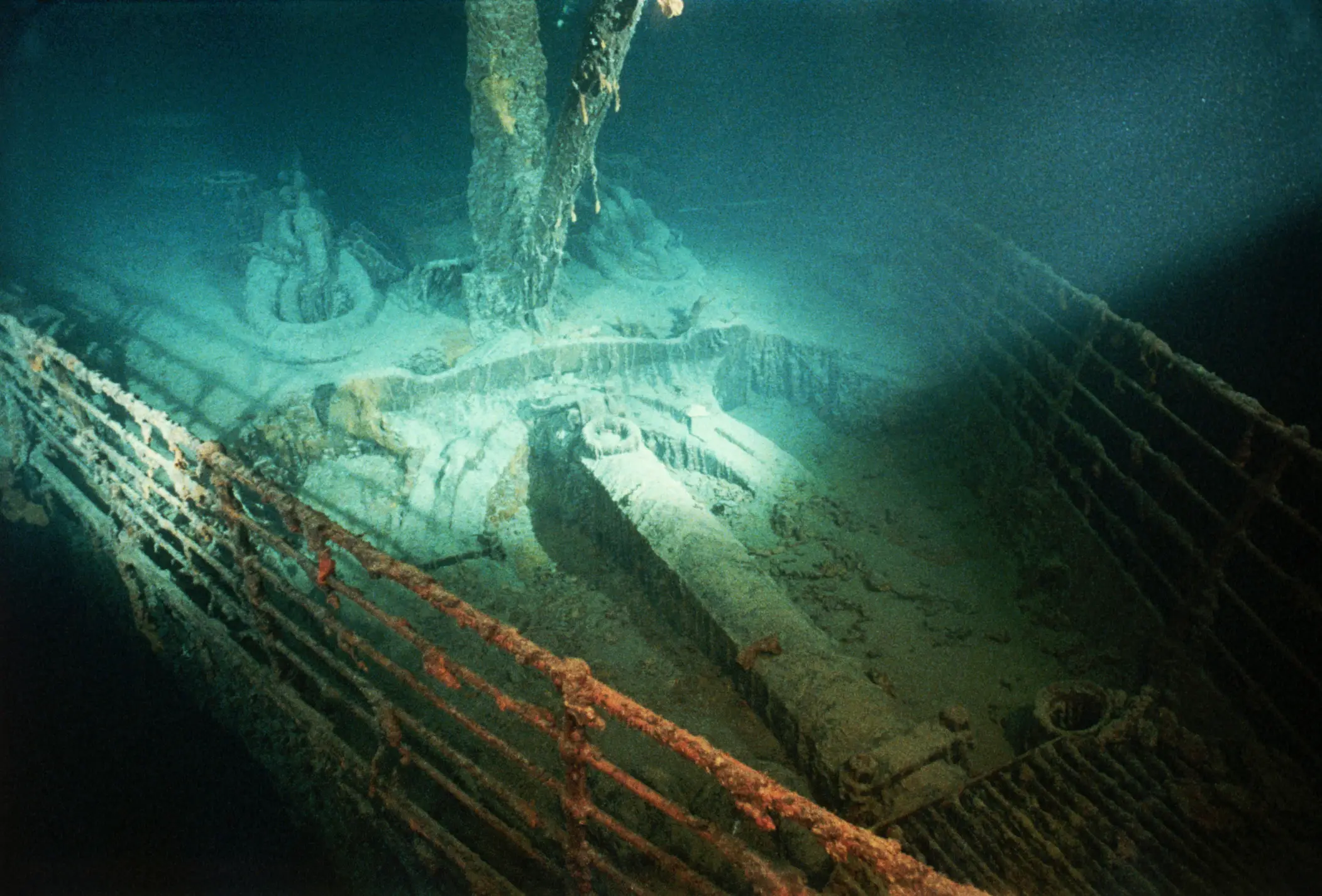
Sitting 3,800 metres beneath the surface, under almost unimaginable pressure, they are still there over a century on and still sealed. But how is this possible?
It's a question that has fascinated scientists, historians and amateur sleuths alike, especially since the devastating implosion of the Titan Submersible in June 2023 that caused the deaths of the five people onboard, which went on to prompt a fresh wave of questions about pressure at extreme depths.
As one user in the Facebook group the Journal of Scientific Shitposting put it: "Remember how last year the Titan submersible got insta-crushed going partway down the journey to see the wreck of the Titanic?
Advert
"So how did a simple glass bottle filled with champagne not shatter?"
The answer, it turns out, is a combination of physics, engineering and a little bit of luck.
Why didn't the champagne bottles on the Titanic explode?
Implosions occur when the pressure outside an object is greater than the pressure inside, the hull collapses inwards to equalise.
Parts of the Titanic did implode for exactly this reason; the sections that survived did so because air escaped, equalising pressure on both sides.
Champagne bottles have a head start on this process. The carbon dioxide inside creates internal pressure of around six bar, which is roughly the equivalent to the pressure found at 60 meters underwater.
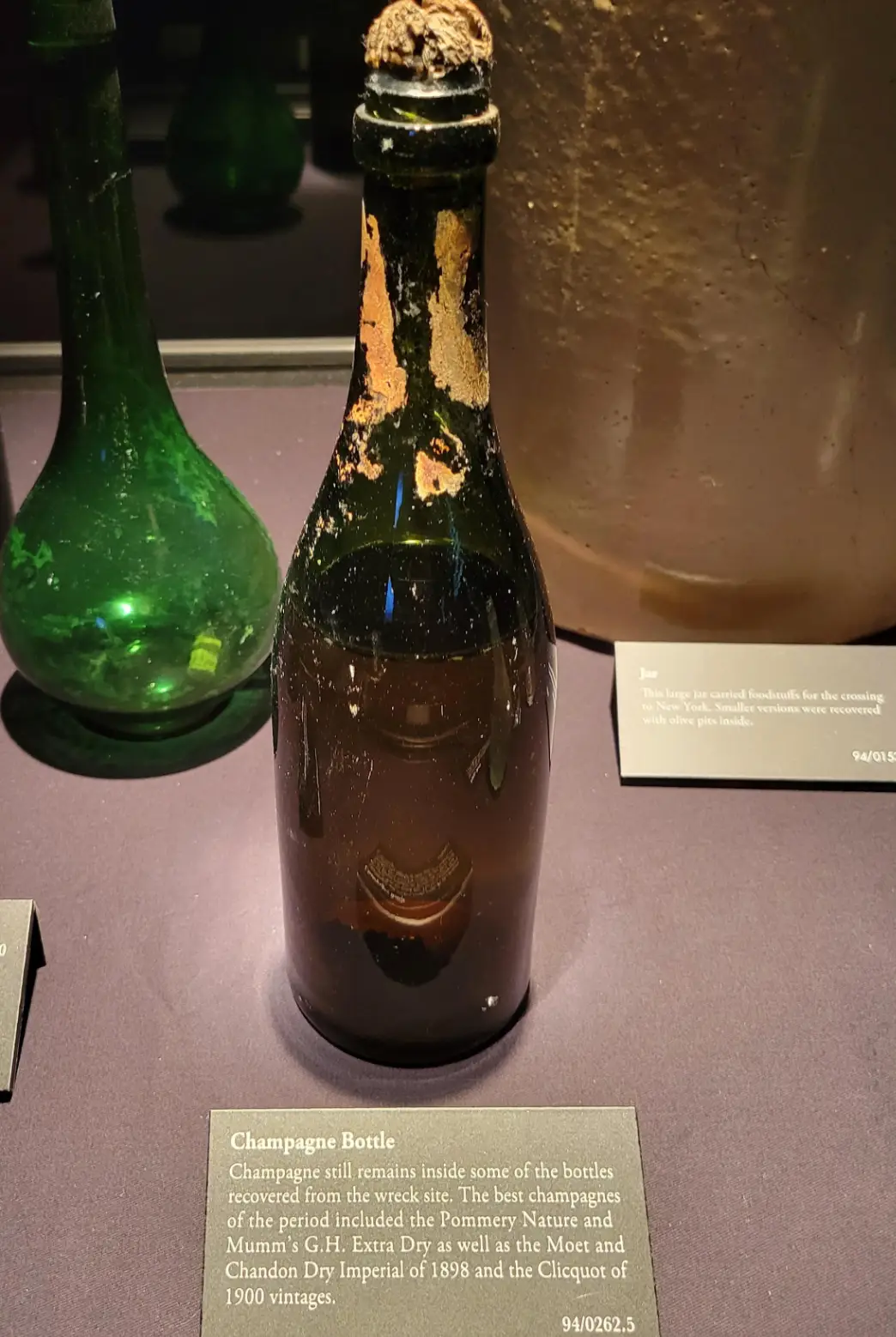
Modern champagne bottles are built to withstand up to 20 bar. So early in the Titanics' descent, the bottles were actually at a reduced risk of implosion.
But the Titanic currently rests at 381 bars of pressure, far beyond what any glass bottle could withstand.
This is where the cork comes in.
The Dropzone channel on YouTube explained: "I reckon all the seals have already been compromised and the pressure inside equalised with the pressure outside when the ship sank on its way down back in 1912."
So in other words, water slowly seeped in through the cork, equalising the pressure, and preserving the bottle's shape in the process.
Could the champagne from the Titanic still be drinkable?
Remarkably, the contents may not be entirely ruined either.
In 1998, 2,000 bottles of 1907 Heidsiek & Co. Monopole champagne were salvaged from a Swedish freighter torpedoed in 1916, having spent 82 years in near identical conditions.
Heidsiek's exports director at the time, Laurent Davaine, said the champagne 'still shows an amazing balance and beautiful golden hue with the effervescence still present'.
Turns out the constant darkness and temperature of the deep ocean makes for near-perfect cellaring conditions.
 Thomas Bamford