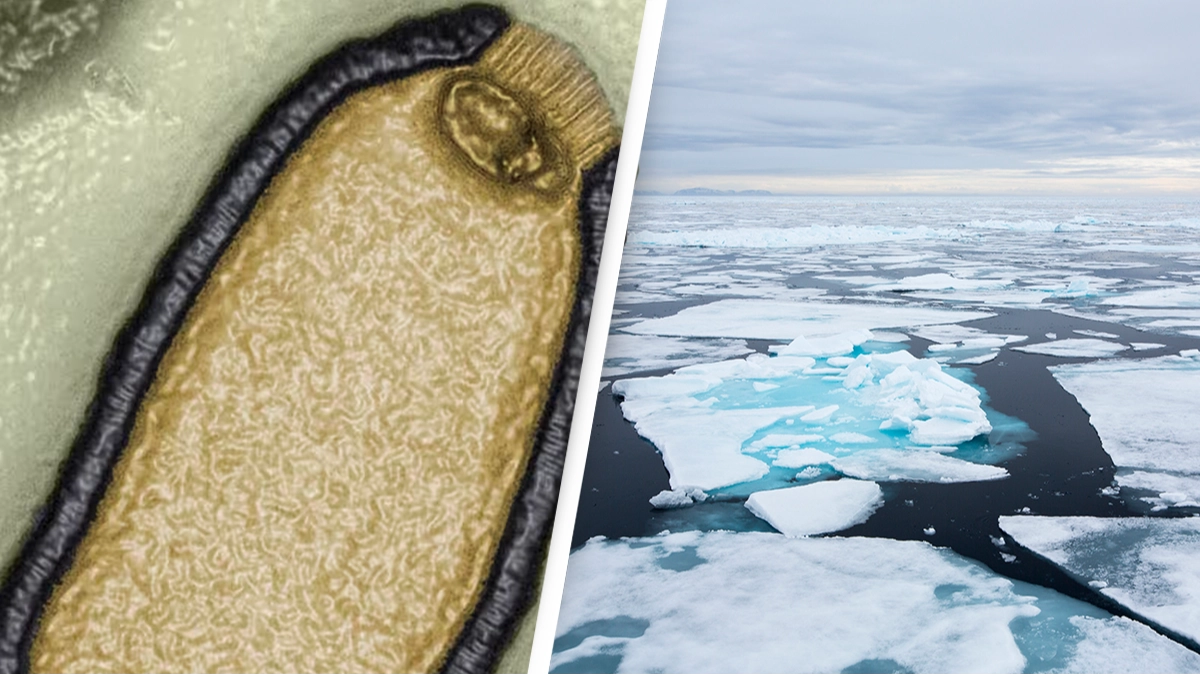
unilad homepage
unilad homepage
  • News
    • UK News
    • US News
    • World News
    • Crime
    • Health
    • Money
    • Sport
    • Travel
  • Music
  • Technology
  • Film and TV
    • News
    • DC Comics
    • Disney
    • Marvel
    • Netflix
  • Celebrity
  • Politics
  • Advertise
  • Terms
  • Privacy & Cookies
  • LADbible Group
  • LADbible
  • SPORTbible
  • GAMINGbible
  • Tyla
  • UNILAD Tech
  • FOODbible
  • License Our Content
  • About Us & Contact
  • Jobs
  • Latest
  • Archive
  • Topics A-Z
  • Authors
Facebook
Instagram
X
Threads
TikTok
YouTube
Submit Your Content
Scientists warn Arctic zombie virus in Siberia could spark terrifying new pandemic
Home>News
Published 15:34 21 Jan 2024 GMT

Scientists warn Arctic zombie virus in Siberia could spark terrifying new pandemic

Ancient diseases could cause chaos for the world if they are released due to melting permafrost arctic ice.

Gerrard Kaonga

Gerrard Kaonga

google discoverFollow us on Google Discover
Featured Image Credit: Jean-Michel Claverie/IGS/CNRS-AM/Ashley Cooper/Getty Images

Topics: News, Science, World News

Gerrard Kaonga
Gerrard Kaonga

Gerrard is a Journalist at UNILAD and has dived headfirst into covering everything from breaking global stories to trending entertainment news. He has a bachelors in English Literature from Brunel University and has written across a number of different national and international publications. Most notably the Financial Times, Daily Express, Evening Standard and Newsweek.

Advert

Advert

Advert

Scientists have warned that 'zombie viruses' trapped in permafrost in the arctic could prove to be a huge problem for humanity.

As climate change impacts the arctic, viruses that have been frozen for thousands of years could be released and start the next pandemic.

Some scientists have also suggested that the world is woefully ill prepared for such a situation.

For those who are now anticipating a zombie apocalypse, fear not! Zombie virus is just a nickname and the strains are known Methuselah microbes.

Advert

At this present time, there isn’t a fear that these diseases are already among us, but rather that one day they could be.

“At the moment, analyses of pandemic threats focus on diseases that might emerge in southern regions and then spread north,” geneticist Jean-Michel Claverie of Aix-Marseille University said, according to a report by The Guardian.
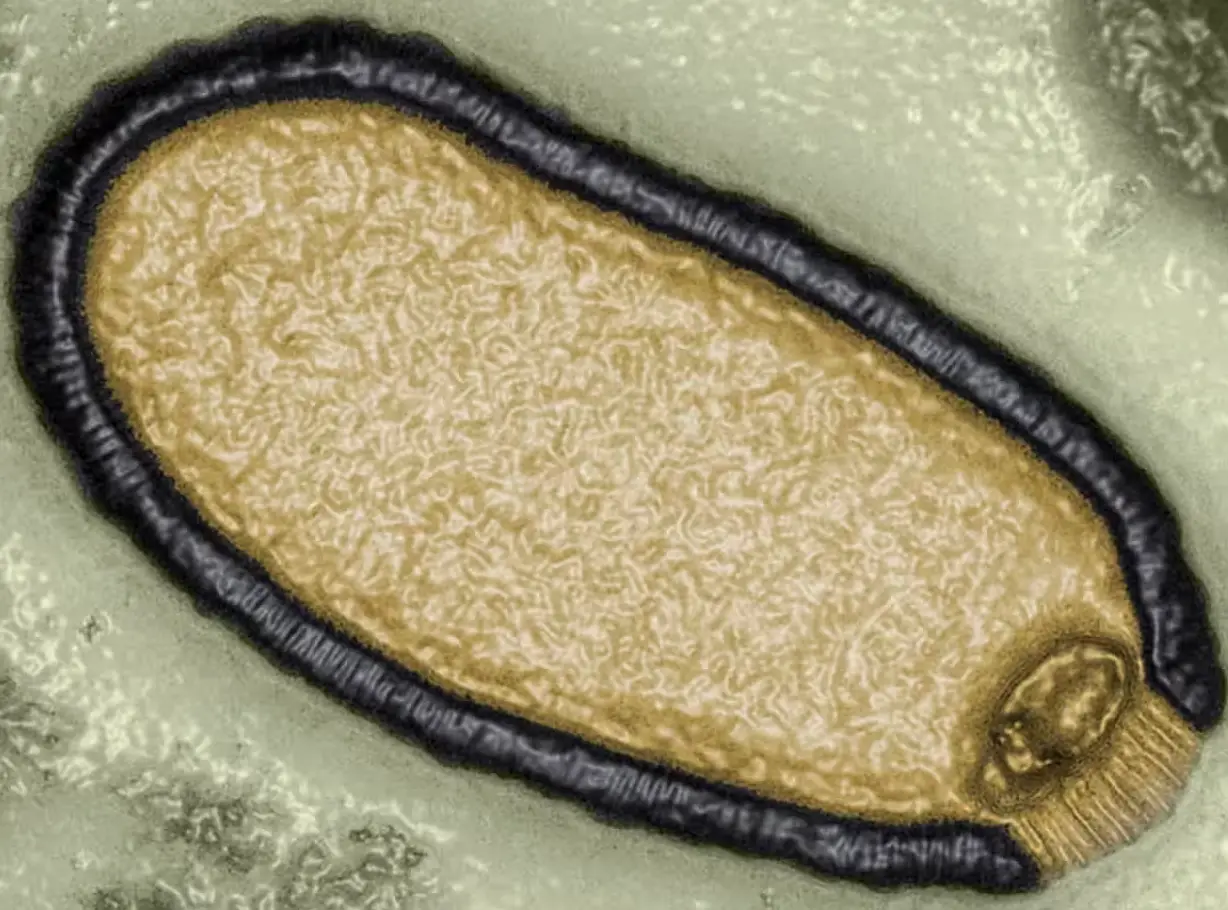
A computer-enhanced image of a Pithovirus sibericum isolated from a 30,000-year-old sample of permafrost in 2014.
Jean-Michel Claverie/IGS/CNRS-AM

“By contrast, little attention has been given to an outbreak that might emerge in the far north and then travel south – and that is an oversight, I believe.

"There are viruses up there that have the potential to infect humans and start a new disease outbreak."

Virologist Marion Koopmans of the Erasmus Medical Center in Rotterdam has also warned that the permafrost could contain diseases that our ancient ancestors dealt with or viruses so old they have never impacted our species.

"We don’t know what viruses are lying out there in the permafrost but I think there is a real risk that there might be one capable of triggering a disease outbreak – say of an ancient form of polio," Koopmans said.

"We have to assume that something like this could happen."

The permafrost covers a fifth of the northern hemisphere and is made up of soil kept at temperatures below zero for long periods.
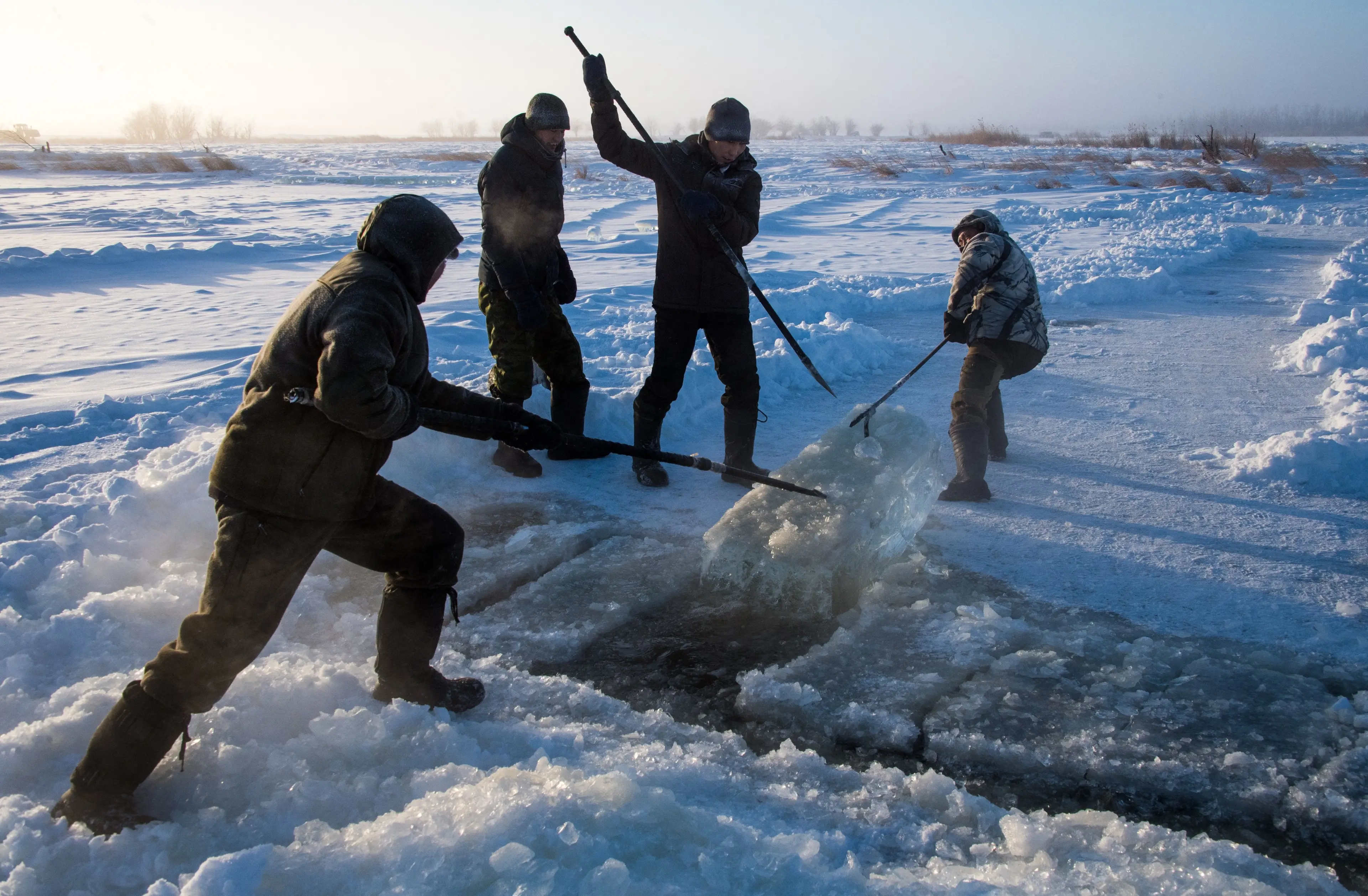
As climate change impacts the arctic, viruses that have been frozen for thousands of years could be released.
MLADEN ANTONOV/AFP via Getty Images

Claverie has also explained just how a virus trapped in the layer could wreak havoc on the world.

“The crucial point about permafrost is that it is cold, dark and lacks oxygen, which is perfect for preserving biological material.

"You could put a yoghurt in permafrost and it might still be edible 50,000 years later."

The permafrost layers in Canada, Siberia and Alaska are melting due to climate change and meteorologists have said it is heating up several times faster than the average increase in global temperatures.

  • Scientists warn of 'massive' black holes forming inside of planets that could have apocalyptic impact
  • Five ways scientists think the universe could meet its end
  • Scientists create a clock so precise it could actually change time forever
  • Scientists accidentally discovered a new organ in the human body

Choose your content:

6 mins ago
an hour ago
  • (Image: Abingdon Fire Company)
    6 mins ago

    Dog sparks Maryland house blaze that killed three pets by accidentally turning on toaster

    The pet caused nearly $200,000 worth of damage to the property

    News
  • Getty Images/Witthaya Prasongsin
    an hour ago

    Ex-Marine reveals four things criminals search for when targeting houses

    Robin explained there are certain things criminals are deterred by and what reels them in

    News
  • NT Police
    an hour ago

    Police release never-before-seen photos from 25-year-old murder case in bid for new information

    A $500,000 reward still stands as police make a fresh appeal a quarter of a century on

    News
  • Getty Stock Image
    an hour ago

    Americans issued new travel warning for popular Caribbean getaway spot

    The island welcomes an average of 200,000 American visitors a year

    News