unilad homepage
unilad homepage
  • News
    • UK News
    • US News
    • World News
    • Crime
    • Health
    • Money
    • Sport
    • Travel
  • Music
  • Technology
  • Film and TV
    • News
    • DC Comics
    • Disney
    • Marvel
    • Netflix
  • Celebrity
  • Politics
  • Advertise
  • Terms
  • Privacy & Cookies
  • LADbible Group
  • LADbible
  • SPORTbible
  • GAMINGbible
  • Tyla
  • UNILAD Tech
  • FOODbible
  • License Our Content
  • About Us & Contact
  • Jobs
  • Latest
  • Archive
  • Topics A-Z
  • Authors
Facebook
Instagram
X
Threads
TikTok
YouTube
Submit Your Content
Company with $225 million plans to bring dodo bird and woolly mammoth back to life
Home>Technology
Updated 18:50 2 Feb 2023 GMTPublished 21:07 31 Jan 2023 GMT

Company with $225 million plans to bring dodo bird and woolly mammoth back to life

Maybe one day we can live in a world where there are dodo birds and woolly mammoths.

Joe Harker

Joe Harker

google discoverFollow us on Google Discover
Featured Image Credit: Élan Images / tilialucida / Alamy Stock Photo

Topics: Animals, Technology, Science

Joe Harker
Joe Harker

Joe graduated from the University of Salford with a degree in Journalism and worked for Reach before joining the LADbible Group. When not writing he enjoys the nerdier things in life like painting wargaming miniatures and chatting with other nerds on the internet. He's also spent a few years coaching fencing. Contact him via [email protected]

X

@MrJoeHarker

Advert

Advert

Advert

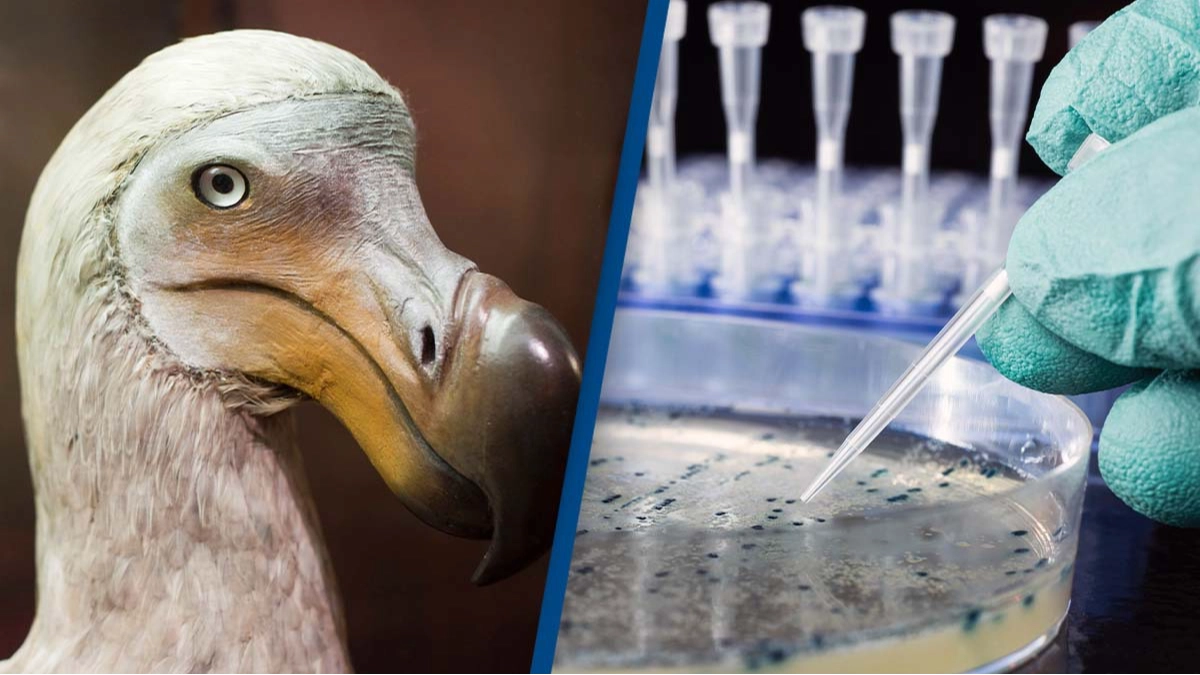
A company which is working on technology that could one day bring back the dodo bird and woolly mammoth is raising investment to set their plans into action.

There are a lot of different species in this wide, wonderful world of ours and we don't know a thing about most of them.

Scientists estimate there's about 8.7 million different species of plants and animals which currently exist and we've only managed to identify around 1.2 million of them, with most being some sort of insect.

Advert

That number would be a little bit larger but a number of species have become extinct and ended up being gone for good, or so we thought.

There's all sorts of reasons a species goes extinct and 'humans kill them all' is a fairly common one when it comes to chalking up causes of extinction.
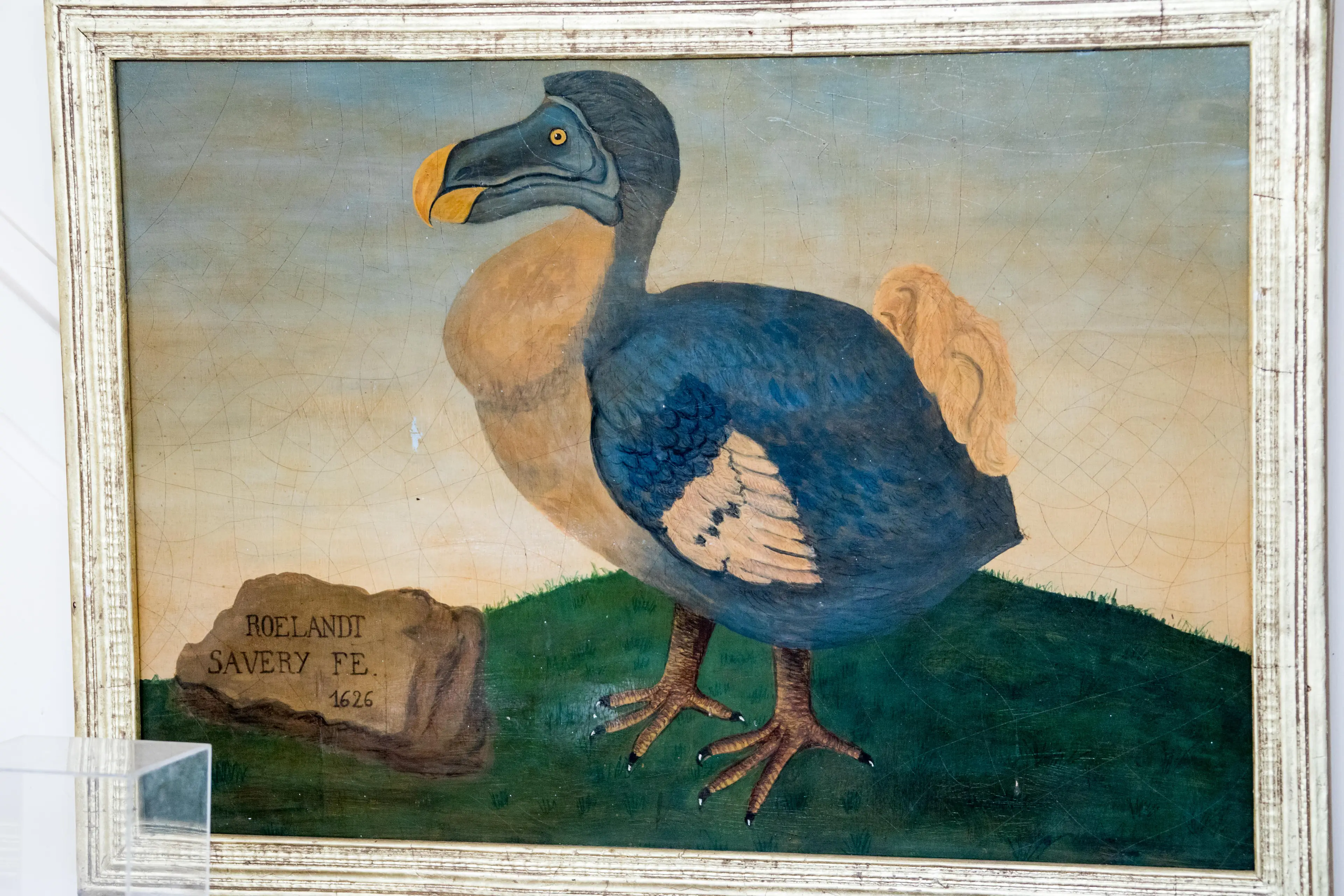
Sorry guys, our bad.
Jeremy Graham / Alamy Stock Photo

In the case of the dodo bird, they were brought down by being overhunted by humans, losing their habitats and failing to compete with the introduction of new animals onto the island of Mauritius.

Lacking any natural predators before we showed up and brought things like rats and pigs with us, they didn't even last 200 years of contact with humans before going extinct.

We ate them and the animals we brought with us ate their eggs, as well as competed with them for their food sources.

Humans first encountered dodo birds in around 1507 and by 1681 they were completely gone, not one of our finest moments as a species.

Woolly mammoths are a different story, almost being wiped out 10,000 years ago and going fully extinct around 4,000 years ago.
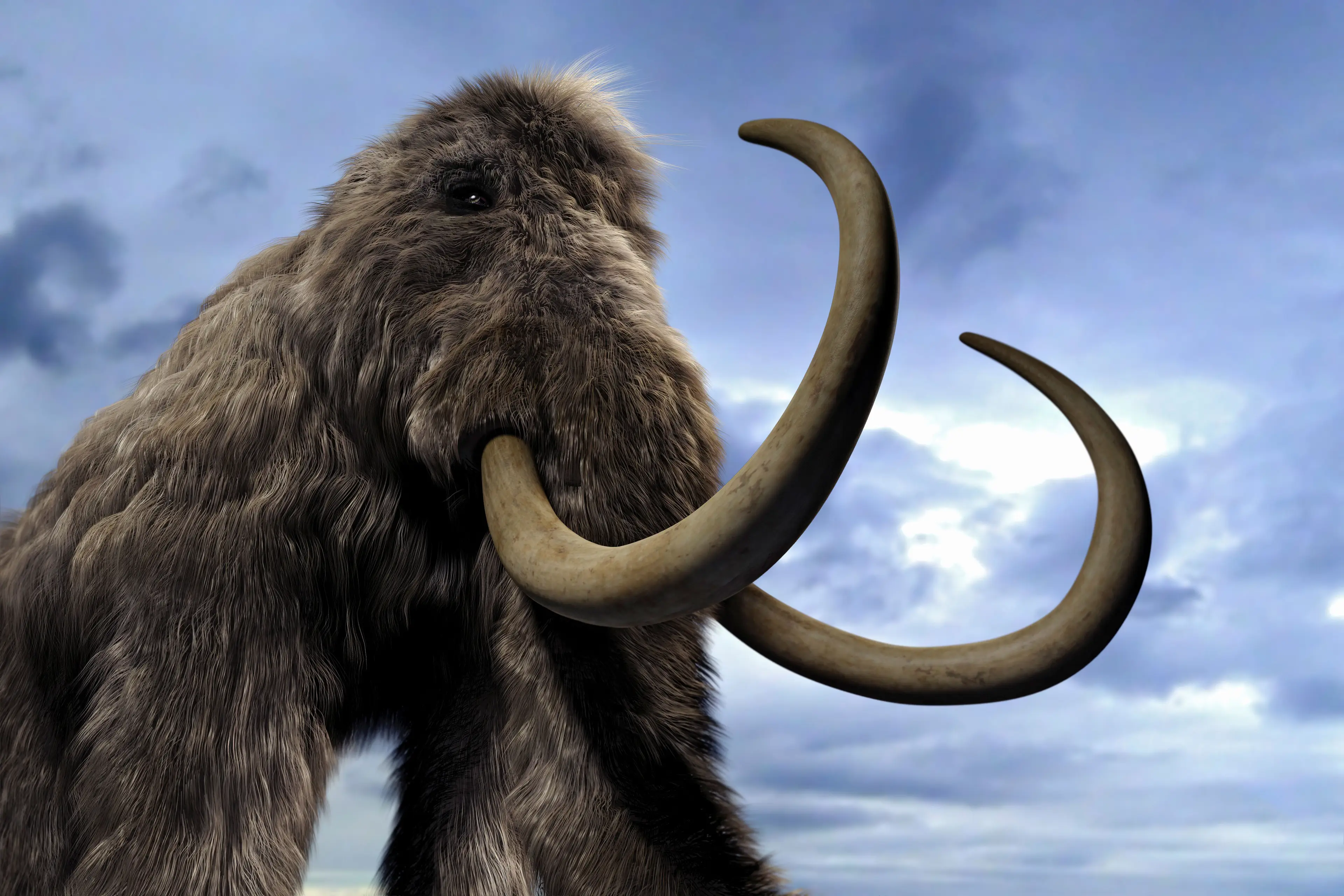
The woolly mammoth, it's like a fluffy elephant. Or would be if they weren't all dead.
Science Picture Co / Alamy Stock Photo

It's a bit more difficult to pinpoint exactly how they went extinct, but it's thought that climate change played a major part as it disrupted their food supply and reduced their numbers before they got finished off by human hunters.

Mammoths grazed on grass but when an ice age ended their sources of food were replaced by trees and wetland, severely reducing their numbers.

However, efforts are underway to bring back the dodo bird and the woolly mammoth, with technology company Colossal Biosciences attracting investments for their plans.

Over the years they've raised $225 million in investment to bring back extinct species, and they are studying how to alter the DNA of existing animals to try and get them to give birth to animals which had once all died out.

Things are still in the very early stages, don't expect the dodo or the woolly mammoth to be stomping around the Earth in the near future, but they have an idea of how you would bring back species that had gone extinct.

Choose your content:

10 hours ago
2 days ago
  • Getty Stock Photo
    10 hours ago

    iPhone users are just discovering what the orange and green dots on their screen really mean

    Apple's support page has explained what the dots mean

    Technology
  • Getty Stock Image
    2 days ago

    Experts reveal why common email apology is actually making co-workers hate you

    Many way want to rethink their phrasing, as one common phrase is seen as 'irritating'

    Technology
  • Justin Sullivan/Getty Images
    2 days ago

    How to use Downdetector to see when top sites like Facebook and Instagram go down

    With outages hitting platforms seemingly all the time, this free tool tells you instantly whether it's your connection or a bigger problem

    Technology
  • Thilina Kaluthotage/NurPhoto via Getty Images (edited)
    2 days ago

    Facebook down as thousands of users report issues

    Reports are flooding in from users unable to access the platform, here's what we know so far

    Technology
  • Woolly mammoths could be brought back to life as scientists make breakthrough discovery
  • Ivanka Trump and Jared Kushner slammed over plans to ‘transform’ tiny Albanian island with ‘massive’ resort
  • US company plans to tackle feline obesity with weight loss drug for cats
  • Scientists make groundbreaking discovery about chimpanzees' likeness to humans and it could change everything