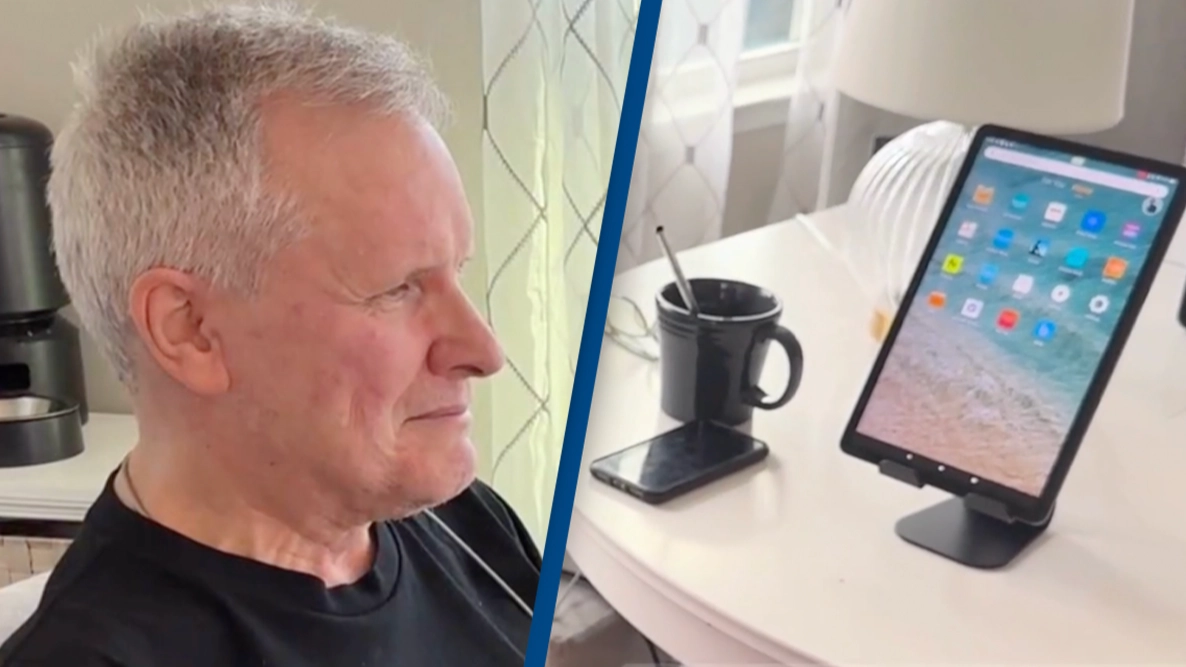
ALS patient with brain implant is able to control Amazon’s Alexa with his thought

An ALS patient in the US has set a groundbreaking record by being the first person in the world to control Amazon's Alexa with a chip implanted in his brain.
The mind-blowing news was shared by Synchron, a brain-computer interface (BCI) company, which described how one of its patients, named Mark, was able to control his surroundings and environment using his mind.
The 64-year-old is diagnosed with amyotrophic lateral sclerosis (ALS), a motor neurone disease, which causes progressive muscle weakness and paralysis.
Advert
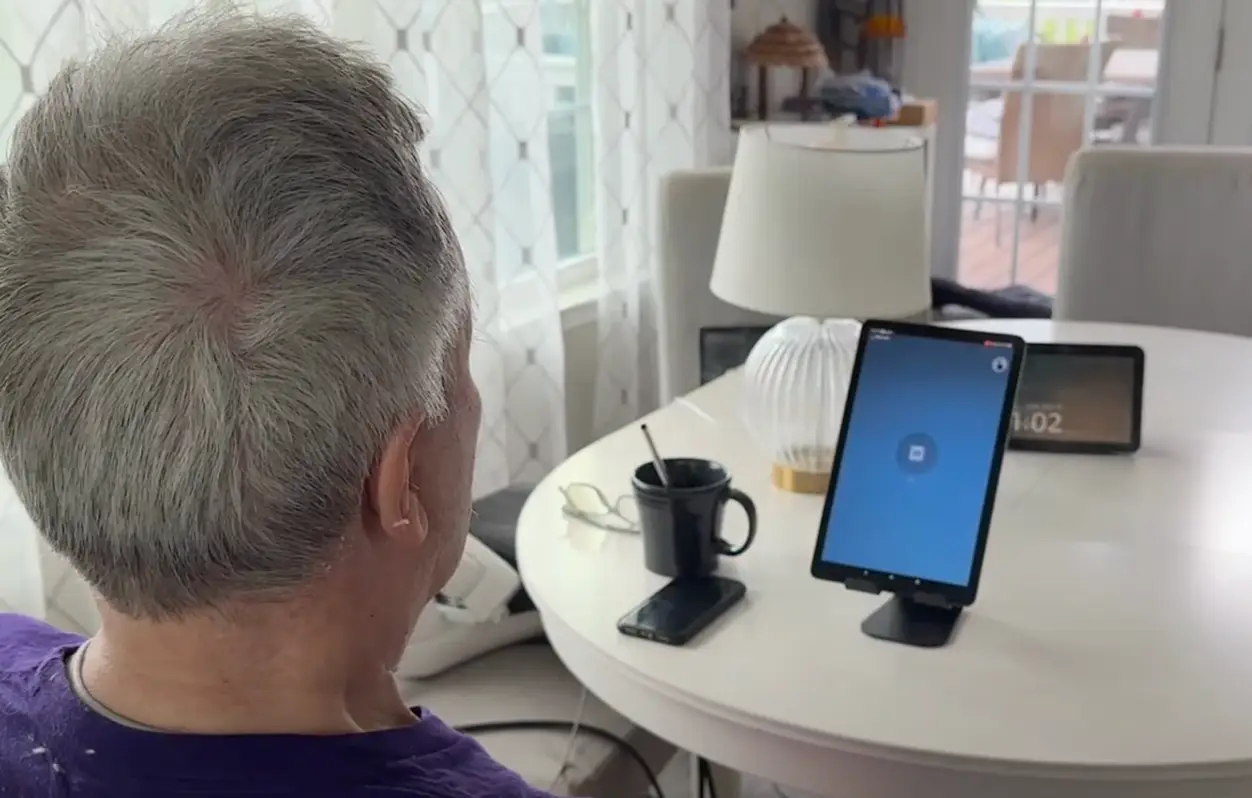
Through the Tap to Alexa Feature on his Amazon Fire tablet, Mark managed to use his direct thoughts to control his smart home.
Other hand and voice-free Alexa tasks the ALS patient can perform include switching on and off the lights, making video calls, playing music and watching shows, which is what many of what its users often use the program for.
According to Business Wire, Mark spoke on this AI experience, saying: “The integration with smart technology and my BCI is something I'm really excited about.
"It's hard to imagine living in our modern world without the ability to access or control connected devices like Amazon’s Alexa and Echo products that are so prevalent in my daily life."
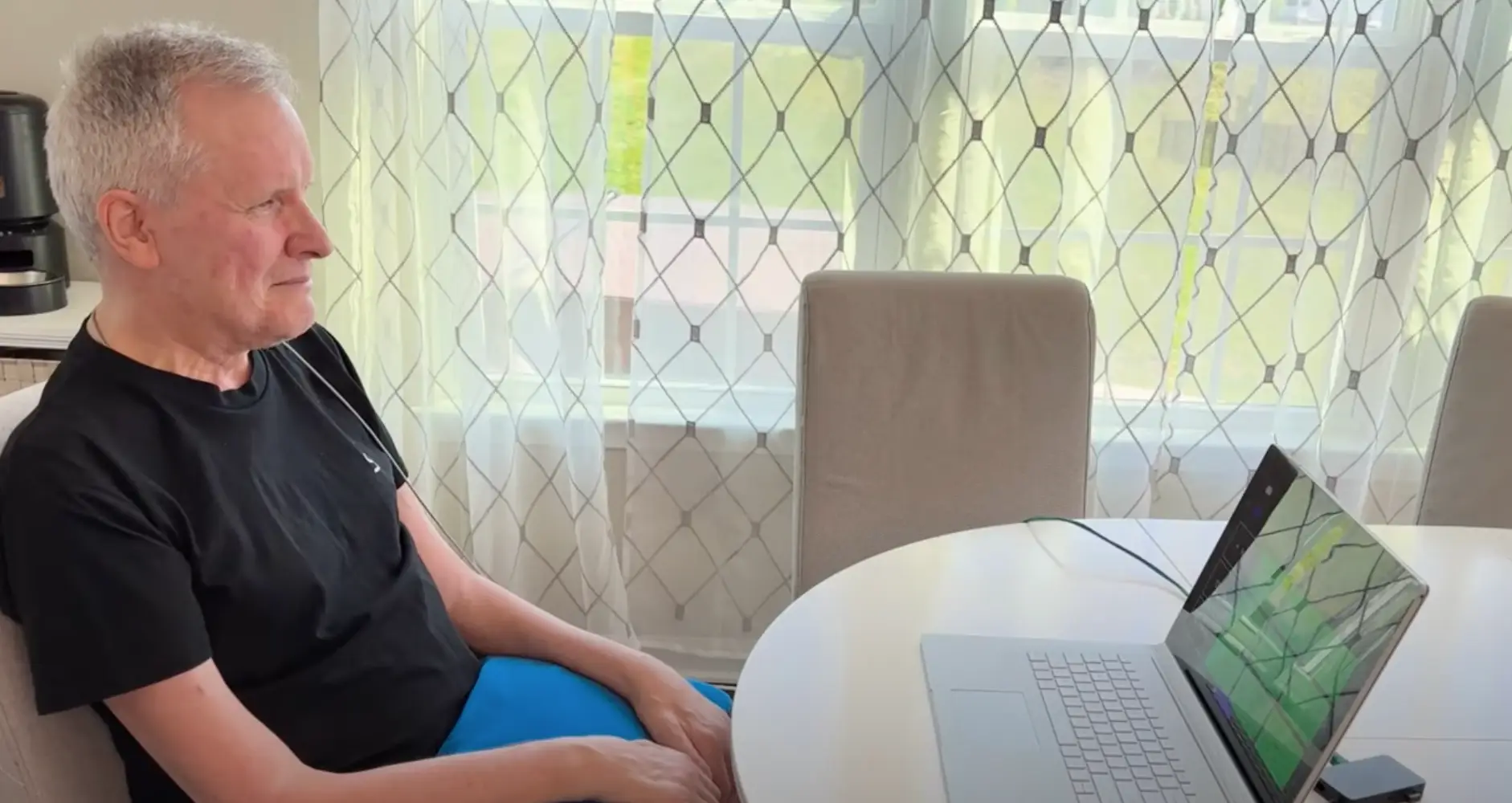
Touching on the newfound freedom it has given him, Mark continued: “To be able to manage important aspects of my environment and control access to entertainment gives me back the independence that I’m losing."
Mark is trialing Alexa with Synchron to help alleviate the pressures put on people with paralysis for everyday tasks.
Tom Oxley, CEO & Founder, Synchron said: “Synchron’s BCI is bridging the gap between neurotechnology and consumer tech, making it possible for people with paralysis to regain control of their environment.
"While many smart home systems rely on voice or touch, we are sending control signals directly from the brain, bypassing the need for these inputs."
But although Mark is the first to use Alexa through an implantable brain-computer interface for his environment, he isn’t the first to have a technology implant to help with paralysis performance.
Earlier this year in March, Noland Arbaugh, who is paralyzed from the neck down, received an implant from Neuro Link - tech mogul Elon Musk’s neurotechnology startup.
The implant is designed to aid paralyzed patients in utilizing digital gadgets through their thoughts.
Arbaugh, 30, was astonishingly able to play Mario Kart via the implant, competing against his dad.
What’s clear from all of this is that we are at the height of an artificial intelligence revolution and it's being used to help people with disabilities gain more freedom, which surely can only be a good thing.
Topics: Amazon, Artificial Intelligence, Elon Musk, Technology, Good News, Health
 Maxine Harrison