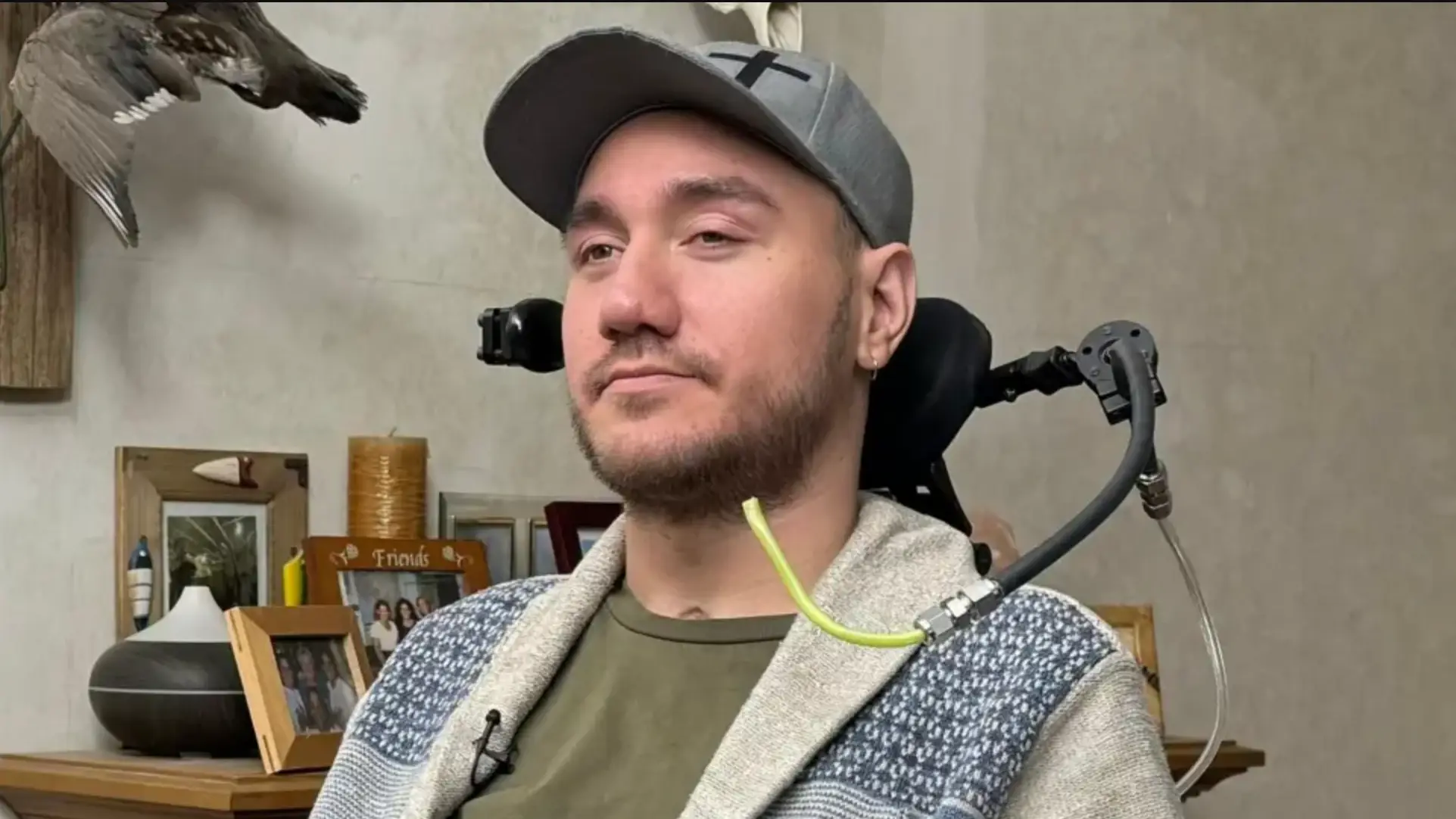
Paralyzed man who became first to receive Elon Musk's Neuralink chip reveals how it has changed his life

A paralyzed man who has become the first to receive a 'mind-reading chip' from Neuralink has revealed how the tech has changed his life.
Noland Arbaugh from Arizona became the first person to have the advanced piece of technology from Elon Musk's US neurotechnology firm, Neuralink, installed in January 2024.
Noland became paralyzed from the shoulders down following a diving accident in 2016, which presented the possibility that he would never be able to work, study or play games ever again, reports the BBC.
Speaking to the news outlet, Noland said: "You just have no control, no privacy, and it's hard.
Advert
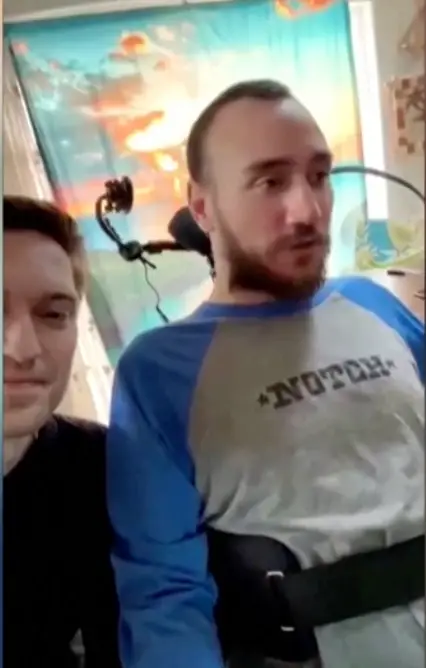
"You have to learn that you have to rely on other people for everything."
Yet the Neuralink chip has helped him restore a degree of independence - by allowing him to autonomously control a computer, using just his mind.
The brain computer interface (BCI) chip, which works by picking up on the small electrical impulses that are sparked when we think about moving into a digital command, has dramatically changed his quality of life.
The effects after the surgery were immediate, as he said he was able to control a cursor on a screen just by thinking about moving his fingers.
"Honestly I didn't know what to expect - it sounds so sci-fi," he explained.
Then as he watched his neurons spike, it 'all sort of sunk in' that he was able to control his computer using just his mind.
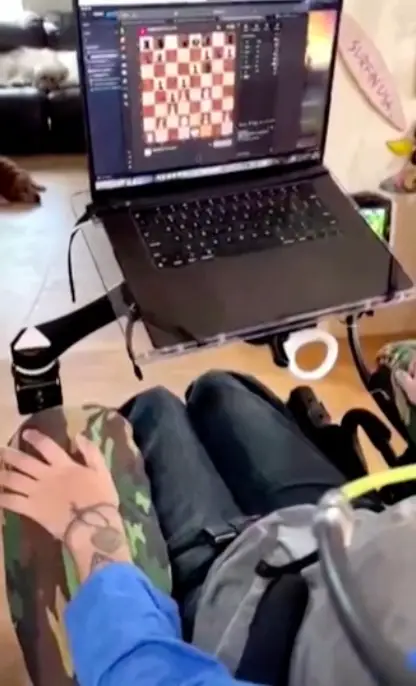
Now, he says he's been able to hone his ability with the device, to the point where he can play video games and even beat his pals, 'which really shouldn't be possible but it is,' Noland added.
Scientists have long been working on the subject for decades and the company isn't the first to implant the technology, but Musk's Neuralink has forced the advanced tech center stage.
Prior to the surgery, Noland said he met the billionaire Tesla and SpaceX boss and said he felt Musk was 'just as excited' to get the ball rolling.
However, he says the tech is more than just the boss, saying he doesn't consider it an 'Elon Musk device.'
Still, while researchers say it presents a 'significant milestone' in the science and tech world, they also warn it poses its own risks.
The first is privacy, according to Anil Seth, Professor of Neuroscience at the University of Sussex, UK, who said 'exporting our brain activity' essentially opens the doors to 'not just what we do but potentially what we think, what we believe and what we feel'.
Speaking to the news outlet, he added: "Once you've got access to stuff inside your head, there really is no other barrier to personal privacy left."
Although transformative, Noland says there was some hiccups - notably when the device lost control of his computer and disconnected from his brain.
Recalling the incident, he said it was 'upsetting to say the least' and feared he might not be able to use the chip again.
Fortunately, the connection was repaired and improved and Noland says he hopes to see the chips advance even further - possibly helping him to control his wheelchair or possibly even a humanoid robot.
The only downside for Noland is that he agreed to be in the study for six years, after which point his future remains uncertain.
Topics: Elon Musk, Gaming, Health, Robotics, Science, Technology, US News, World News, Neuralink
 Liv Bridge