• News
  • Film and TV
  • Music
  • Tech
  • Features
  • Celebrity
  • Politics
  • Weird
  • Community
  • Advertise
  • Terms
  • Privacy & Cookies
  • LADbible Group
  • LADbible
  • SPORTbible
  • GAMINGbible
  • Tyla
  • UNILAD Tech
  • FOODbible
  • License Our Content
  • About Us & Contact
  • Jobs
  • Latest
  • Topics A-Z
  • Authors
Facebook
Instagram
X
Threads
TikTok
YouTube
Submit Your Content
Kodak executive’s controversial reaction to product that caused them to go from $31,000,000,000 to bankrupt

Home> Technology> News

Published 14:32 12 Dec 2024 GMT

Kodak executive’s controversial reaction to product that caused them to go from $31,000,000,000 to bankrupt

The photography company had a surprising reaction to the invention that's now a common part of daily life

Emily Brown

Emily Brown

google discoverFollow us on Google Discover

The controversial reaction a Kodak executive had in response to a brand new product forms part of the explanation as to why the company went from being worth $31,000,000,000 to going bankrupt.

Throughout much of the 20th century, Kodak was *the* company when it came to photography.
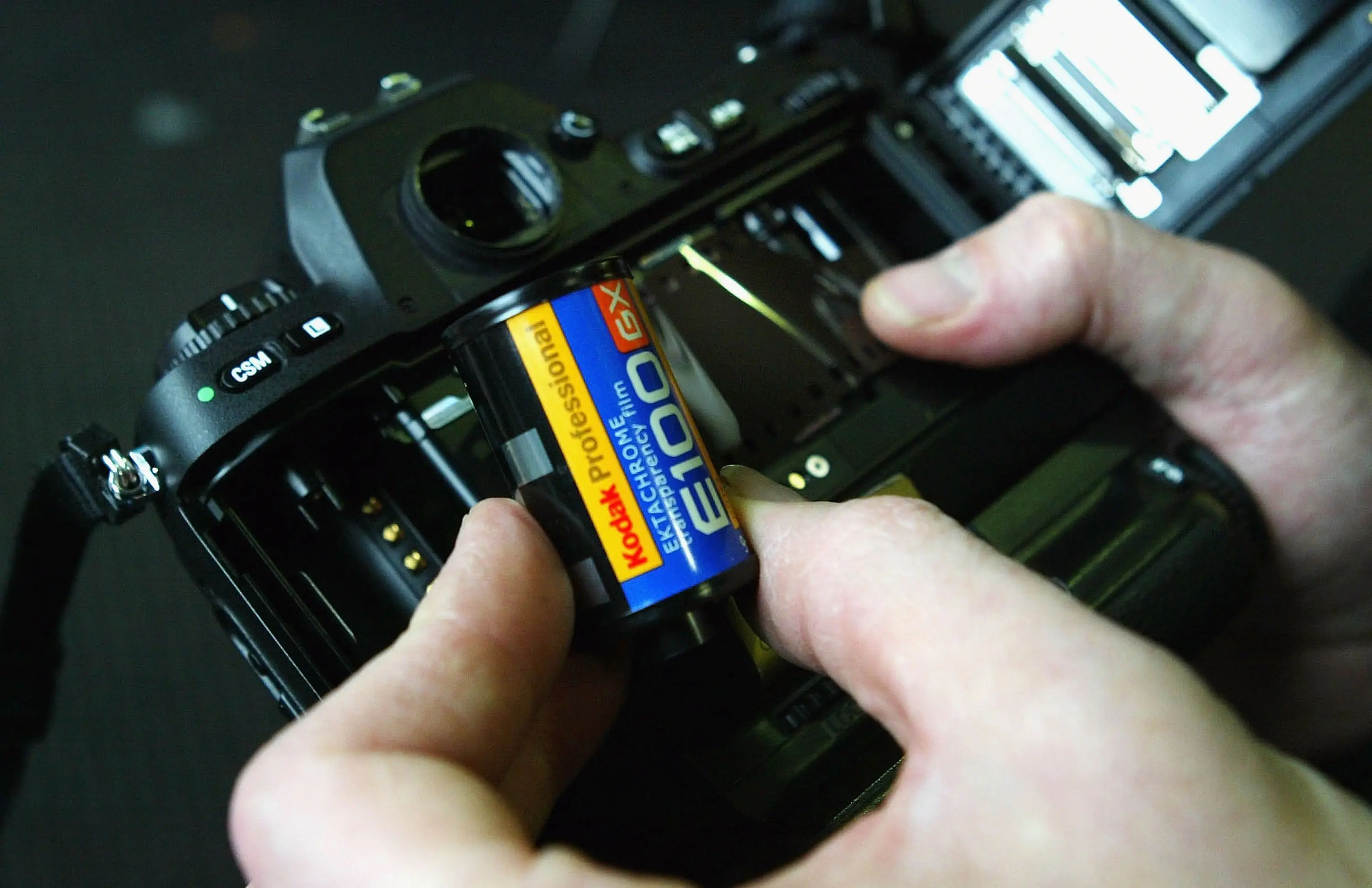
Kodak made large profits selling film (Chris Furlong/Getty Images)

The rise of Kodak

The brand had found a high demand for film camera among Americans, and successfully established itself as a billion-dollar company as customers sought to capture their memories on film, ready to be developed and framed or put into much-loved albums for people to look back on for years to come.

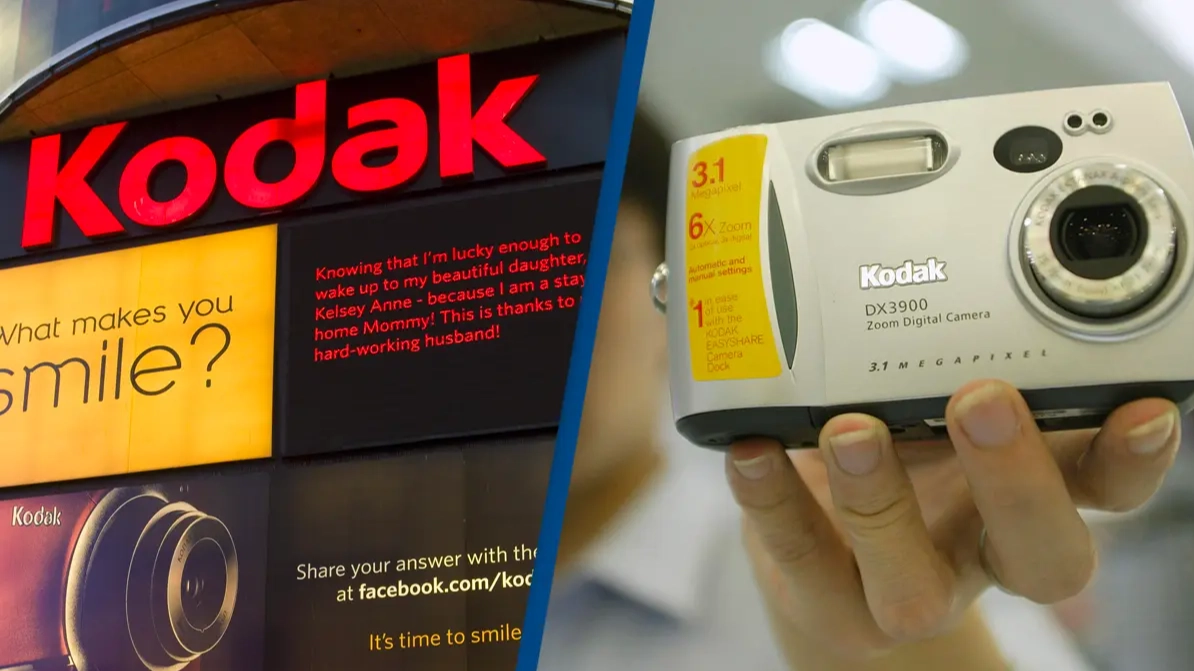
The company is still well known in pop culture - even making its way into Pitbull's 2011 song 'Give Me Everything' in which he infamously rhymed 'Kodak' with 'Kodak' - but the rise of technology means the company has faced some hardships over the years, including filing for bankruptcy in 2012.

What happened to Kodak?

Problems started in 1975, when one of Kodak’s engineers, Steve Sasson, presented a brand new invention: the digital camera.

Advert

It might be hard now to imagine a world in which digital cameras didn't exist, especially when they've since turned into items we carry around with us every day, but at the time some of the higher-ups at Kodak weren't too enamoured.

In a 2008 interview Sasson conducted with The New York Times, he recalled: “My prototype was big as a toaster, but the technical people loved it."

However, it was management at the company who were cautious of the creation for one reason: it made film unnecessary.

Considering film was a huge area of profit for the company, the idea of purposefully hindering sales by releasing the digital camera didn't make sense to them.
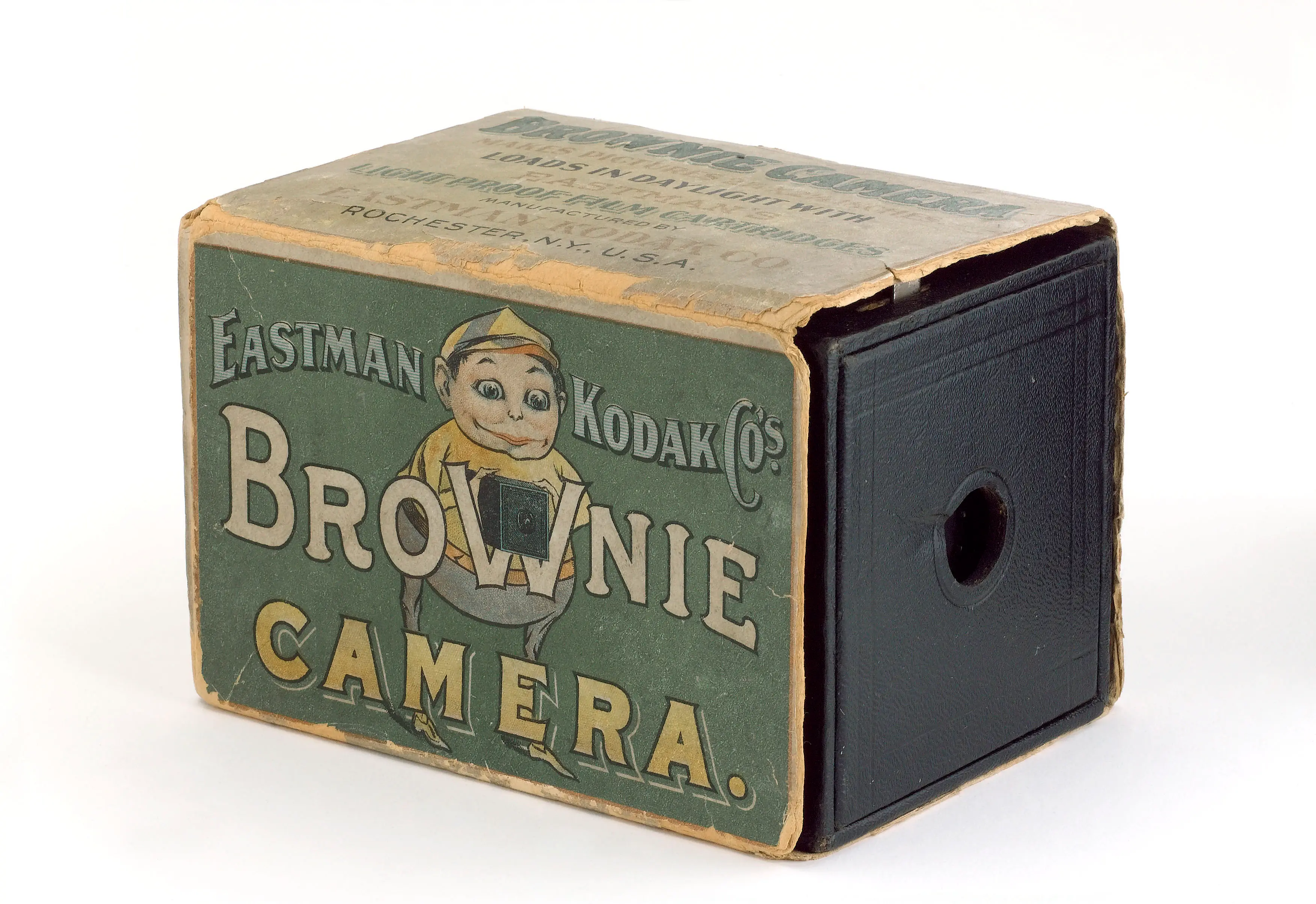
Kodak made some of the most popular cameras of the time (SSPL/Getty Images)

What did execs say about the digital camera?

Sasson went on to share the exec's controversial and ultimately costly reaction, saying: "It was filmless photography, so management’s reaction was, ‘that’s cute but don’t tell anyone about it.’”

So Sasson was ordered to bury the idea, but when digital cameras became a staple in the photography world by the mid-2000s, the company really began to struggle before it ultimately filed for bankruptcy.

What could Kodak have done differently?

Vince Barabba, a former Kodak executive, shared some insights on to how to avoid mistakes like that made by Kodak and make more effective decisions in businesses as he released his 2020 book, The Decision Loom: A Design for Interactive Decision-Making in Organizations.

Per Forbes, Barabba recommended four key approaches:

1. Having an enterprise mindset that is open to change.

2. Thinking and acting holistically.

3. Being able to adapt the business design to changing conditions.

4. Making decisions interactively using a variety of methods.

Kodak did manage to rally after filing for bankruptcy, and now continues to sell products - both digital and film - for customers who have stayed loyal.

Featured Image Credit: Getty Images/George Rose/Getty Images/PETER PARKS

Topics: Technology, Business, Photography, Money

Emily Brown
Emily Brown

Emily Brown is UNILAD Editorial Lead at LADbible Group. She first began delivering news when she was just 11 years old - with a paper route - before graduating with a BA Hons in English Language in the Media from Lancaster University. Emily joined UNILAD in 2018 to cover breaking news, trending stories and longer form features. She went on to become Community Desk Lead, commissioning and writing human interest stories from across the globe, before moving to the role of Editorial Lead. Emily now works alongside the UNILAD Editor to ensure the page delivers accurate, interesting and high quality content.

Advert

Advert

Advert

Choose your content:

13 hours ago
a day ago
  • Getty Stock Images
    13 hours ago

    All the Apple products that are now obsolete meaning owners are no longer eligible for support

    You're likely still holding onto a few...

    Technology
  • Miguel J. Rodriguez Carrillo / AFP via Getty Images
    a day ago

    Jeff Bezos recalls wild first question Amazon investors asked him that would never happen today

    Bezos has described the investor meetings as the 'hardest of his life'

    Technology
  • NASA
    a day ago

    Earth's 'space battery' that stops the Sun from destroying the planet as we know it

    Scientists studying NASA mission data made an interesting discovery earlier this year

    Technology
  • NASA
    a day ago

    Astronomer explains why we’ve probably all missed 1,300 lb space probe’s return to Earth, including NASA

    It's a disappointing realization...

    Technology
  • People now reselling Sydney Sweeney’s controversial product made from her bathwater after it sells out in seconds
  • Lottery winner who won $65,000,000 has made one crucial mistake that could cost them entire fortune
  • How BlackBerry went from an $85,000,000,000 company to almost bankrupt after making 'smug' mistake
  • Man who Donald Trump assigned to 'eliminate taxes' for a specific group of Americans speaks out on his 'plan'