Russia’s ‘Suicide Drone’ Raises Fears Over AI In Warfare

Speculation that Russia may be using a new form of weapon nicknamed 'suicide drones' has sparked concern over the role Artificial Intelligence (AI) could be set to play in modern warfare.
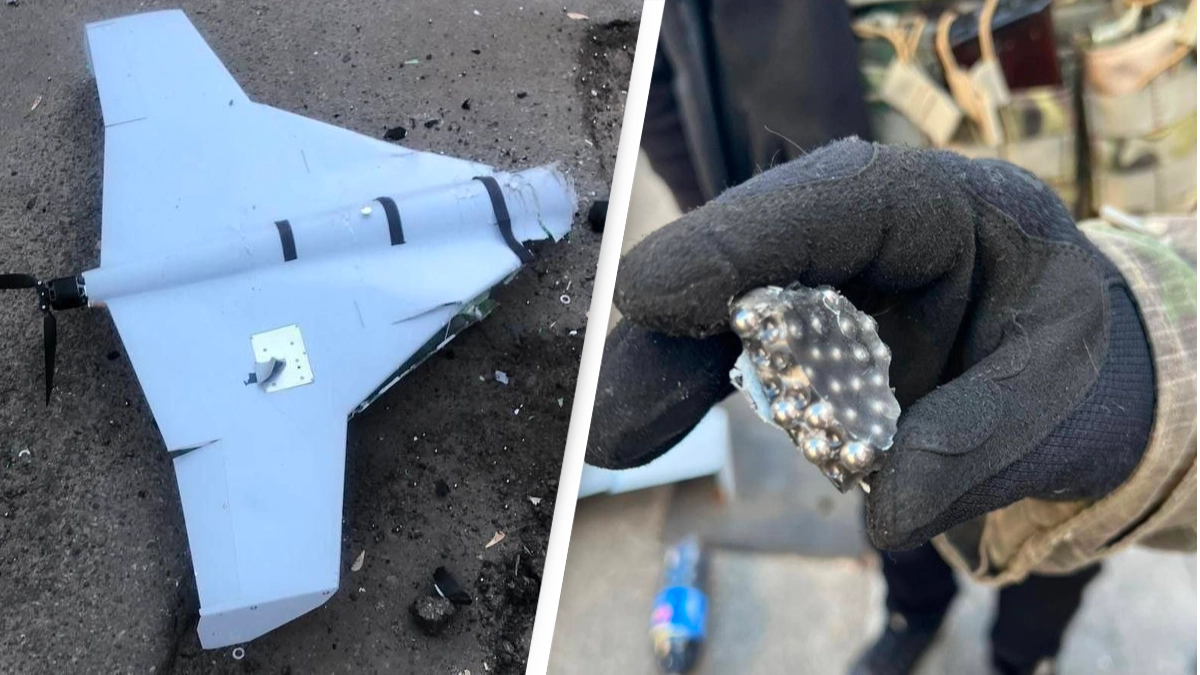
In recent weeks photographs have emerged that appear to show Russian KUB-BLA drones shot down by Ukrainian forces. Known as 'loitering munitions,' these are small drones that are fired from a portable launch tube, and intentionally crash into their target detonating an explosive.
Measuring just 1.2 meters, the jet-style drones can travel up to 120 kilometres in 30 minutes, and, crucially, are said by their manufacturer to be equipped with an AI system capable of 'intelligent detection and recognition of objects by class and type in real time.'
Experts in weapons technology say the possibility that the KUB-BLA's AI system could be being used in an active warzone raises concerning questions about the extent to which decision-making in war could be increasingly handed off to unmanned, or autonomous systems.
"The notion of a killer robot—where you have artificial intelligence fused with weapons—that technology is here, and it's being used," Zachary Kallenborn, a research affiliate with the National Consortium for the Study of Terrorism and Responses to Terrorism (START), told WIRED.
Advert
Experts have stressed that it's not clear whether Russia is employing the autonomous capabilities of its drones in Ukraine, but their availability suggests we may be moving closer to a scenario where machines used in war are given the authority to choose what targets to destroy, and even which people to kill.
Russia isn't the only country developing this kind of technology, in fact earlier this week the US confirmed it was sending Ukraine its own 'suicide drones,' albeit versions which require human input to locate and engage targets.
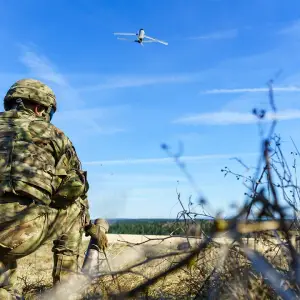
The US says that drones with autonomous capabilities should always require human confirmation when lethal force is involved, but does not oppose an overall ban on the development of the technology.
Yet while the idea of AI weapons sounds scary, one researcher has questioned how effective they would be if used in Ukraine.
"The Russian military and its capabilities are now being severely tested in Ukraine," Russian military expert Samuel Bendett told WIRED. "If the [human] ground forces with all their sophisticated information gathering can't really make sense of what's happening on the ground, then how could a drone?"
If you would like to donate to the Red Cross Emergency Appeal, which will help provide food, medicines and basic medical supplies, shelter and water to those in Ukraine, click here for more information
Topics: Ukraine, Russia, Technology
 Hannah Smith