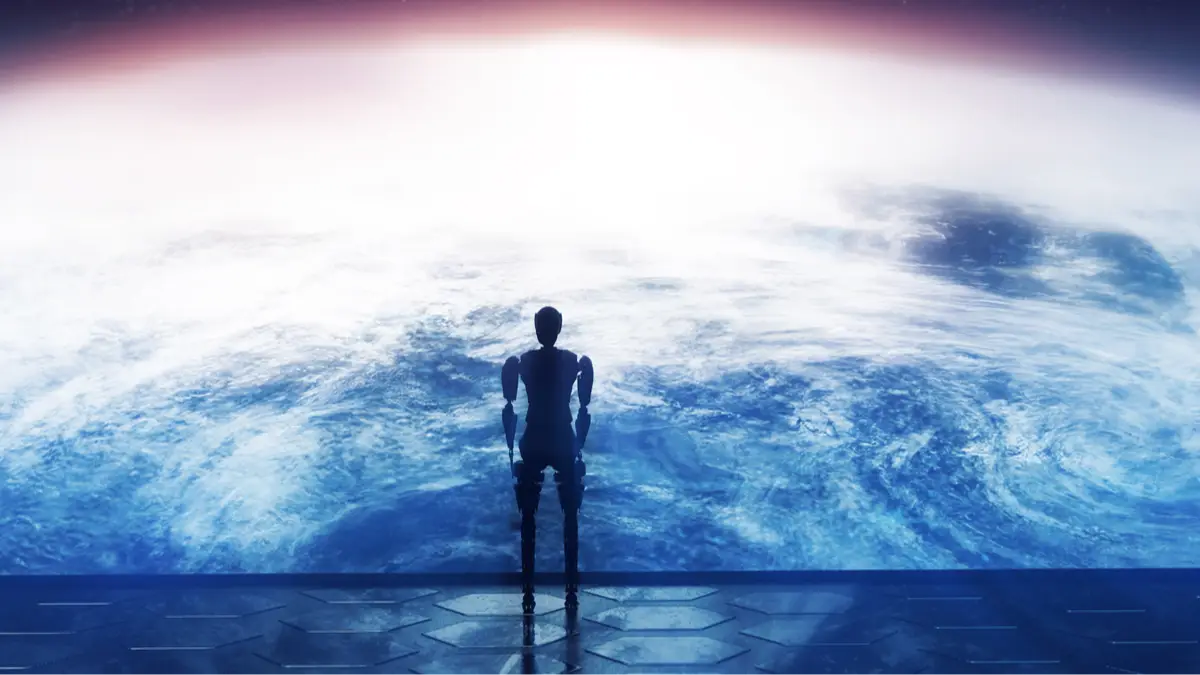

The depiction of humanity's 'first contact' with alien life has been the subject of countless sci-fi films and novels, but a new research paper argues that if we ever discover the existence of alien intelligence, it will be far more 'loud' than previously imagined.
H. G. Wells' War of the Worlds and movies like Independence Day have 'preconditioned' many of us into thinking that our first experience of non-human intelligence from space will be violent and hostile.
Other depictions like Arrival (2016) and The Day the Earth Stood Still (1951) show a more benevolent form of first contact, with more advanced alien civilizations attempting to share their wisdom. But a top astronomer is now arguing that the history of extraterrestrial discoveries tells us something quite different.
Scientist David Kipping, a top researcher in the field of extraterrestrial intelligences (ETIs), has shared his new 'Eschatian hypothesis' on alien life in a new paper, detailing how our first contact will likely be a tragedy for the aliens.
Advert
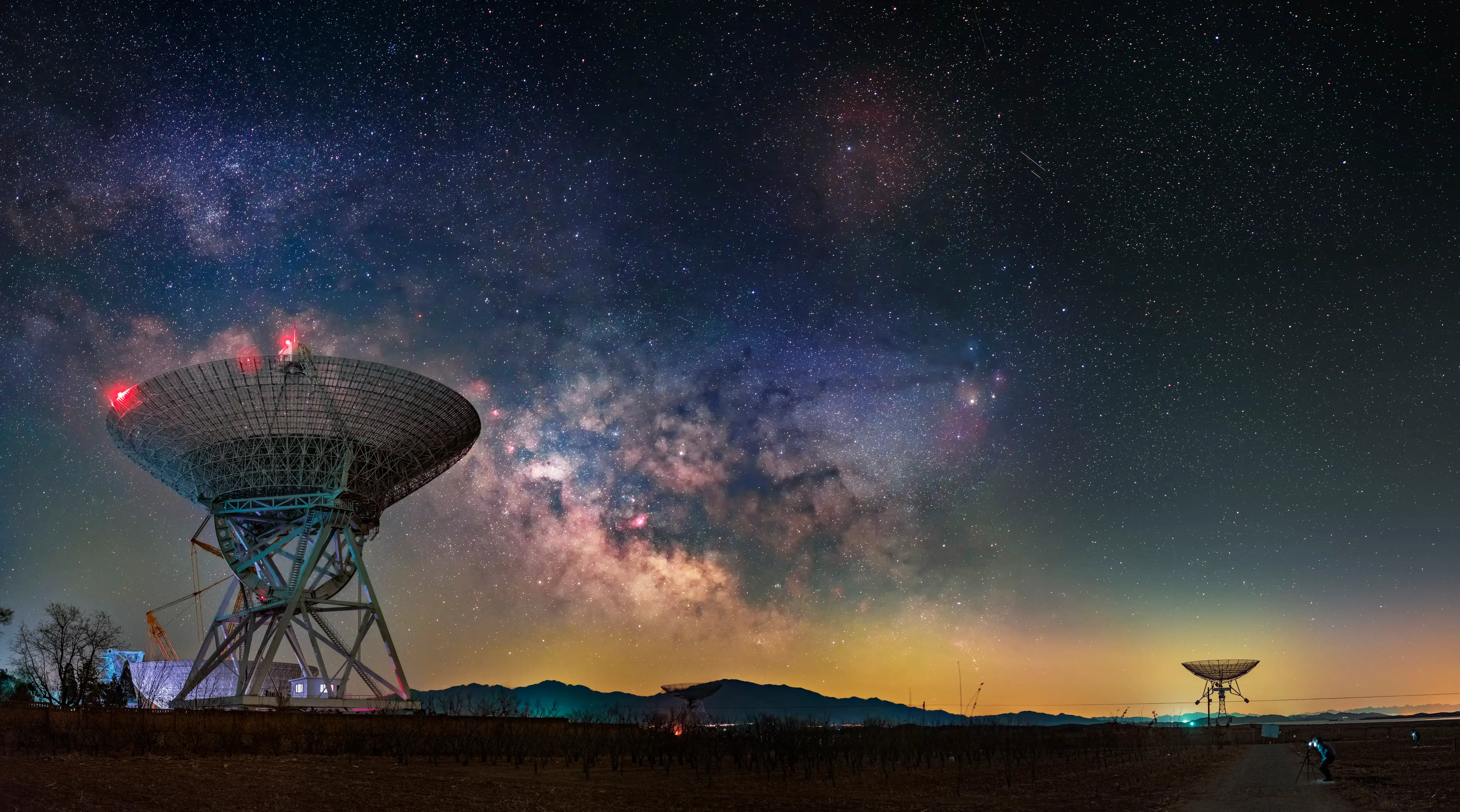
Speaking ahead of the publication, Kipping explained on his YouTube channel: "Hollywood has preconditioned us to expect one of two types of alien contact, either a hostile invasion force or a benevolent species bestowing wisdom to humanity.
"But the Eschatian hypothesis is neither."
The history of scientific discovery is littered with examples where the first example we notice of an astronomical phenomena does not end up representing the overall picture. Often, this 'detection bias' means the first observation astronomers make will be of the 'loudest' variable.
An easy example of this can be seen with the naked eye, which can perceive up to 2,500 stars in a clear night sky. Around a third of these celestial bodies will be evolved giant stars that outshine smaller stars and red giants, despite these giants making up around one percent of stars in the observable universe.
Because of this, Kipping, who is director of the Cool Worlds Lab at Columbia University, argues that the first time we notice the tell-tale signatures of observable 'ETIs' in the universe, it will likely to be the result of some life-ending calamity befalling an alien civilization.
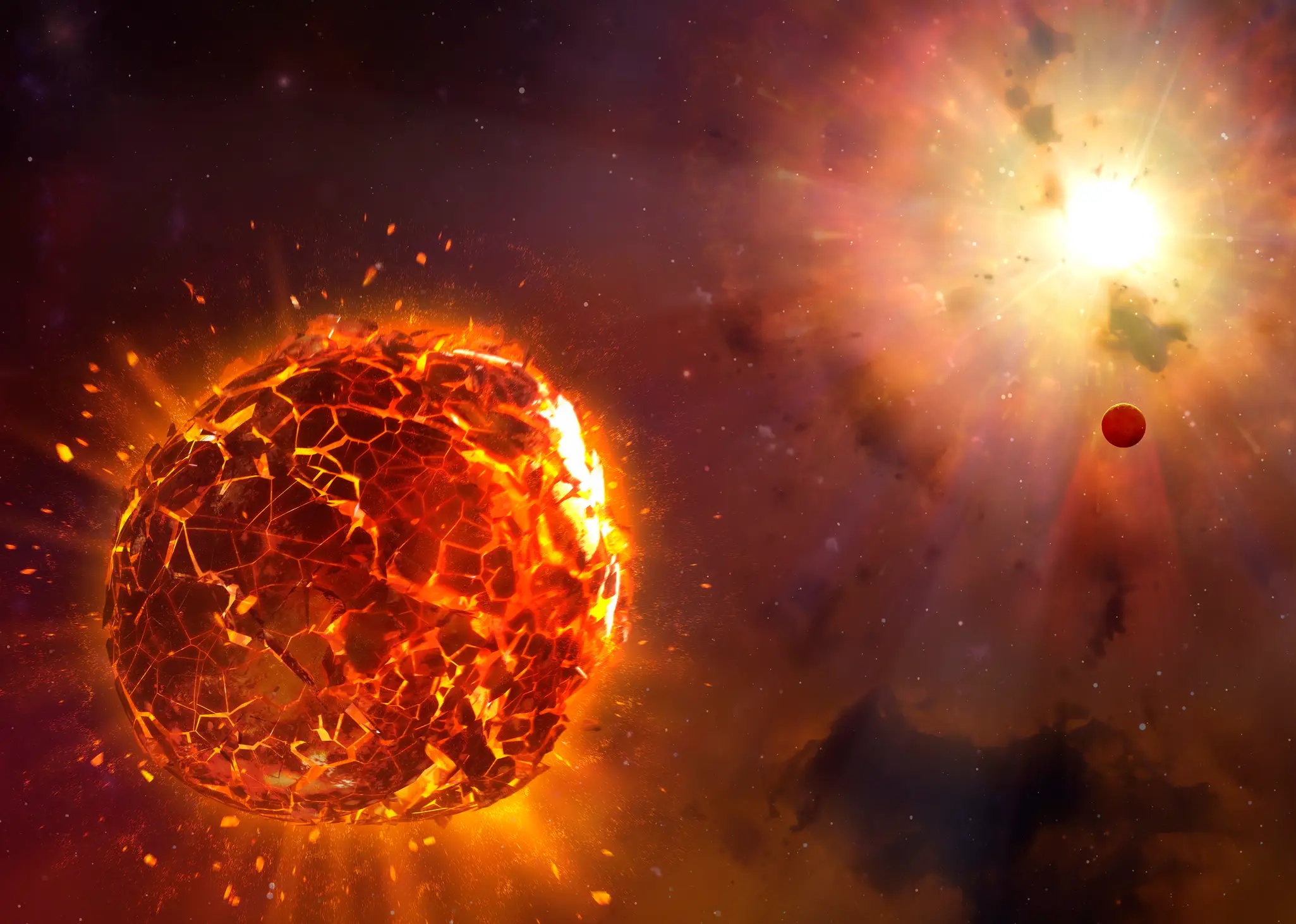
He argues in the research article: "If history is any guide, then perhaps the first signatures of extraterrestrial intelligence will too be highly atypical, 'loud' examples of their broader class.
"Motivated by this, we propose the Eschatian Hypothesis: that the first confirmed detection of an extraterrestrial technological civilization is most likely to be an atypical example, one that is unusually "loud" (i.e. producing an anomalously strong technosignature), and plausibly in a transitory, unstable, or even terminal phase."
These loud 'technosignatures' detectable millions of light years away by Earth's space observatories could be something as drastic as a sudden burst of energy, or even signs of a rapidly changing climate could be detected on our planet.
"Here, first contact is with a civilisation in its death throes, one that is violently flailing before the end," Kipping argues.
For astronomers, this hypothesis would mean that the most effective way to detect the existence of alien life would not be to target specific planets or solar systems, but to take a much broader approach to find these 'loud' signals of a civilization in collapse.
 William Morgan