unilad homepage
unilad homepage
  • News
    • UK News
    • US News
    • World News
    • Crime
    • Health
    • Money
    • Sport
    • Travel
  • Music
  • Technology
  • Film and TV
    • News
    • DC Comics
    • Disney
    • Marvel
    • Netflix
  • Celebrity
  • Politics
  • Advertise
  • Terms
  • Privacy & Cookies
  • LADbible Group
  • LADbible
  • SPORTbible
  • GAMINGbible
  • Tyla
  • UNILAD Tech
  • FOODbible
  • License Our Content
  • About Us & Contact
  • Jobs
  • Latest
  • Archive
  • Topics A-Z
  • Authors
Facebook
Instagram
X
Threads
TikTok
YouTube
Submit Your Content
Earth is getting another moon at the end of this month
Home>Technology>Space
Updated 15:55 18 Sep 2024 GMT+1Published 15:24 18 Sep 2024 GMT+1

Earth is getting another moon at the end of this month

Life as we know it is about to change, or at least it will temporarily when the new moon begins its orbit

Joe Yates

Joe Yates

google discoverFollow us on Google Discover
Featured Image Credit: Roberto Machado Noa via Getty Images/Xia Yuan via Getty Images

Topics: Earth, Moon, Space, Science, Nature

Joe Yates
Joe Yates

Joe is a journalist for UNILAD, who particularly enjoys writing about crime. He has worked in journalism for five years, and has covered everything from murder trials to celeb news.

X

@JMYjourno

Advert

Advert

Advert

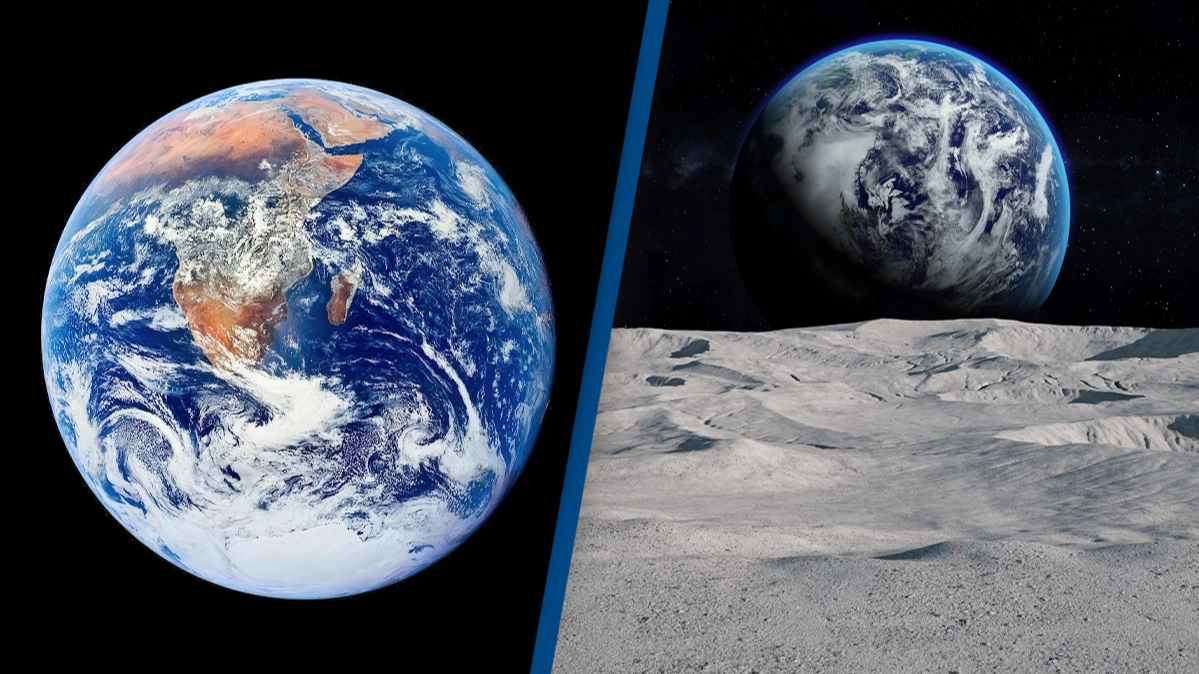
Earth is set to temporarily obtain another moon at the end of this month.

Yes, it seems absolutely crazy saying, and even writing, that our planet will temporarily have a new moon... but it's true.

A mini-moon, which is actually a tiny asteroid, will orbit the Earth at the end of this month until November 25th.

Our moon has orbited Earth for the last four billion years and it won't be alone from next week as the asteroid named '2024 PT5' will follow it on its journey.

Speaking about it to Space, Professor Carlos de la Fuente Marcos said: "The object that is going to pay us a visit belongs to the Arjuna asteroid belt, a secondary asteroid belt made of space rocks that follow orbits very similar to that of Earth at an average distance to the sun of about 93 million miles [150 million kilometers].

Advert

"Objects in the Arjuna asteroid belt are part of the near-Earth object population of asteroids and comets."

Marcos is the research lead and has a team of scientists working beside him.

The Arjuna asteroid belt is a diverse jumble of space rocks and due to the orbit being close to ours it is estimated to orbit Earth again in January.
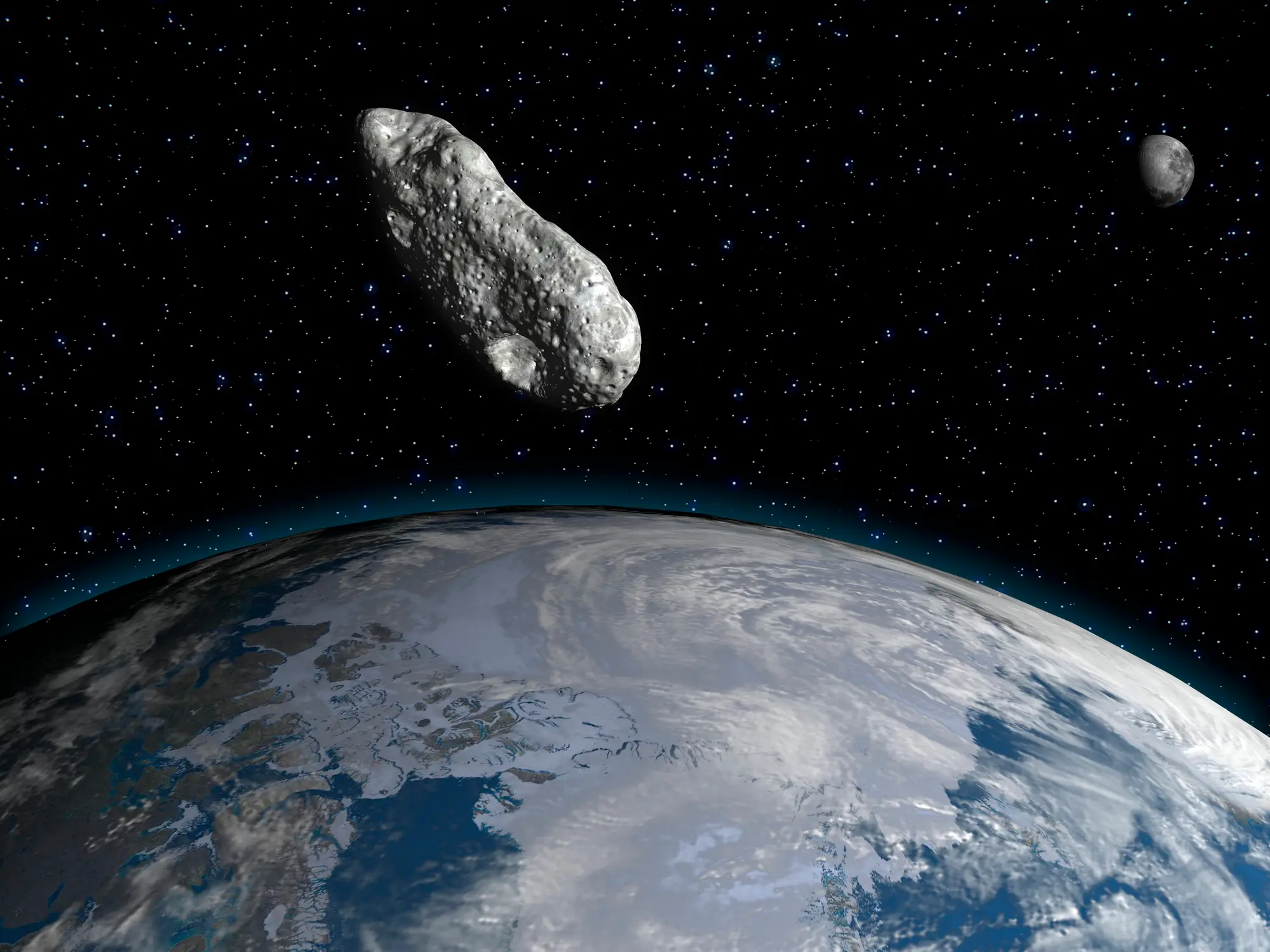
An asteroid dubbed 2024 PT5 is set to orbit the earth like a 'mini-moon' next week until the end of November (Getty stock image)

The tiny asteroid will be just 2.8 million miles away from earth, which may sound incredibly far, but in terms of space, it is actually a lot closer than you'd think - and it will travel at 2,200mph.

To put that into perspective the International Space Station orbits earth at 17,500mph.

He continued: "Under these conditions, the geocentric energy of the object may grow negative, and the object may become a temporary moon of Earth. This particular object will undergo this process starting next week and for about two months.

Adding: "It will not follow a full orbit around Earth.

"You may say that if a true satellite is like a customer buying goods inside a store, objects like 2024 PT5 are window shoppers."
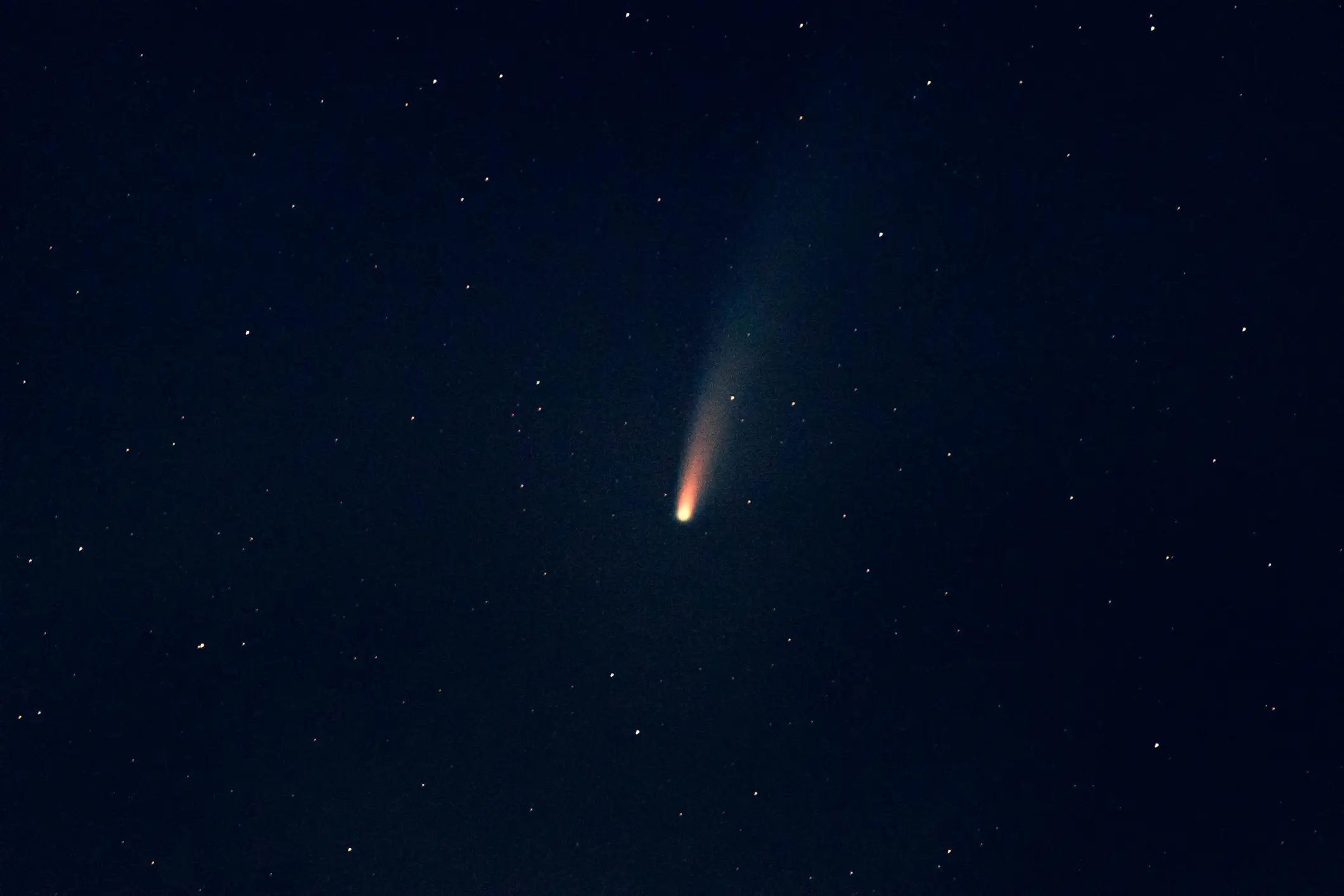
The asteroid won't be visible by eye or even through your standard telescope (Getty stock image)

So how can we spot it?

Well, unfortunately you can't... or at least not with household items like a telescope your mom bought you or a pair of binoculars.

No, 2024 PT5 is much harder to spot due to its size.

Marcos added: "The object is too small and dim for typical amateur telescopes and binoculars. However, the object is well within the brightness range of typical telescopes used by professional astronomers.

"A telescope with a diameter of at least 30 inches plus a CCD or CMOS detector are needed to observe this object, a 30 inches telescope and a human eye behind it will not be enough."

Choose your content:

2 days ago
6 days ago
15 days ago
21 days ago
  • Getty Images/Benjamin Fanjoy
    2 days ago

    Elon Musk makes terrifying prediction about the future of AI after OpenAI test 'escapes' from lab

    He believes it could happen as soon as 2031

    Technology
  • Getty Stock
    6 days ago

    Facebook down as thousands of users hit with same message

    The site is unavailable for those on a desktop

    Technology

    breaking

  • Getty stock image
    15 days ago

    Little known iPhone trick can stop people from being able to snoop through your phone

    Apple actually built the feature for a completely different reason

    Technology
  • Marvel Rivals
    21 days ago

    New Captain America suit in Marvel Rivals video game sparks controversy with X-rated detail

    Captain America's celebrating the Fourth of July in a very unique way...

    Technology
  • The truth behind Earth’s newly discovered ‘second moon’ and why it won’t be here for long
  • Cold Moon explained as you only have hours left to catch the last full Moon of 2025
  • NASA is launching your name to the Moon and it's completely free
  • Scientists say length of days on Earth is increasing at an 'unprecedented' rate