

A doctor has ranked some of the most painful operations that you can have, including one which is a surprisingly common procedure.
We've certainly come a long way from the days of 'pain management' consisting of a swig of brandy and biting down on a leather strip, but that doesn't mean that surgeries don't still come with a lot of discomfort.
Keyhole surgery is also a big factor in reducing pain, as if doctors need to remove a kidney, for example, they don't have to cut a big hole in your side anymore, they can use a much smaller one to get the job done.
Dr Dean Eggitt, a consultant primary care physician, has revealed the procedures that he thinks are the most painful out there, though doctors and post-surgery medics, such as physios, do everything they can to help minimise the pain.
Advert

Speaking to the Daily Mail, he said: "While everyone will experience pain differently, there are definitely some procedures that are more painful than others like spinal fusion, open chest surgery and total knee replacement.
"All of these procedures disrupt bones and nerves and cannot have total immobilisation afterwards. So while the actual surgery might not be too painful, the extensive physiotherapy required for full recovery can be very painful."
Bone marrow biopsy
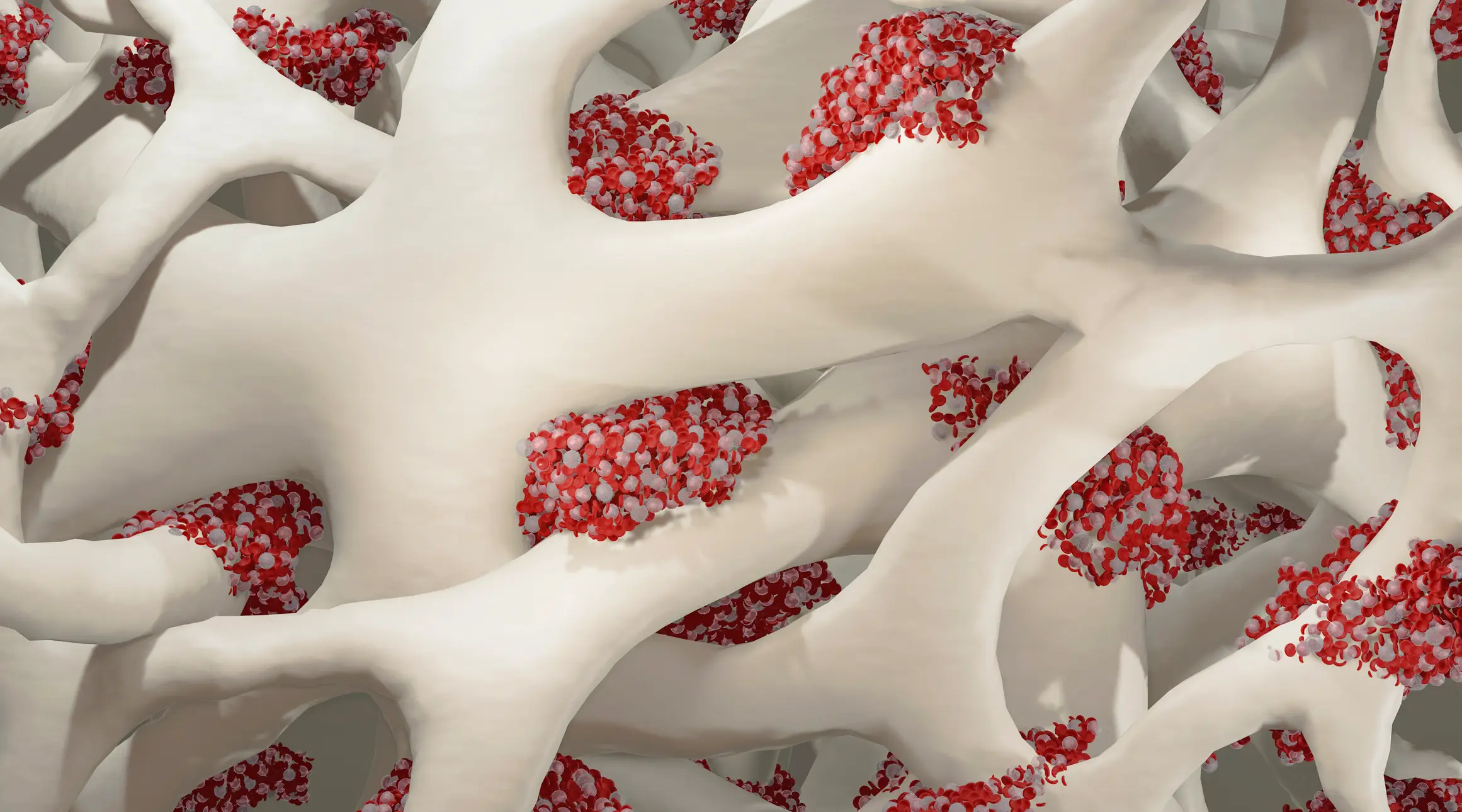
A biopsy is where doctors take a tissue sample from your body so they can examine it and come up with a diagnosis, and bone marrow cells are also particularly useful as stem cells.
While a biopsy might be relatively painless with a skin sample, it's a different matter entirely when they have to take something from literally inside your bones, as surgeons have to insert a needle into the bone and extract the liquid bone marrow cells.
And guess what - you are awake while they do this. However, it tends to take less than 30 minutes for most patients.
There is a local anesthetic, but you might feel a 'pulling' sensation', as well as aches for days afterwards, and a puncture wound and bruising.
Lumbar puncture
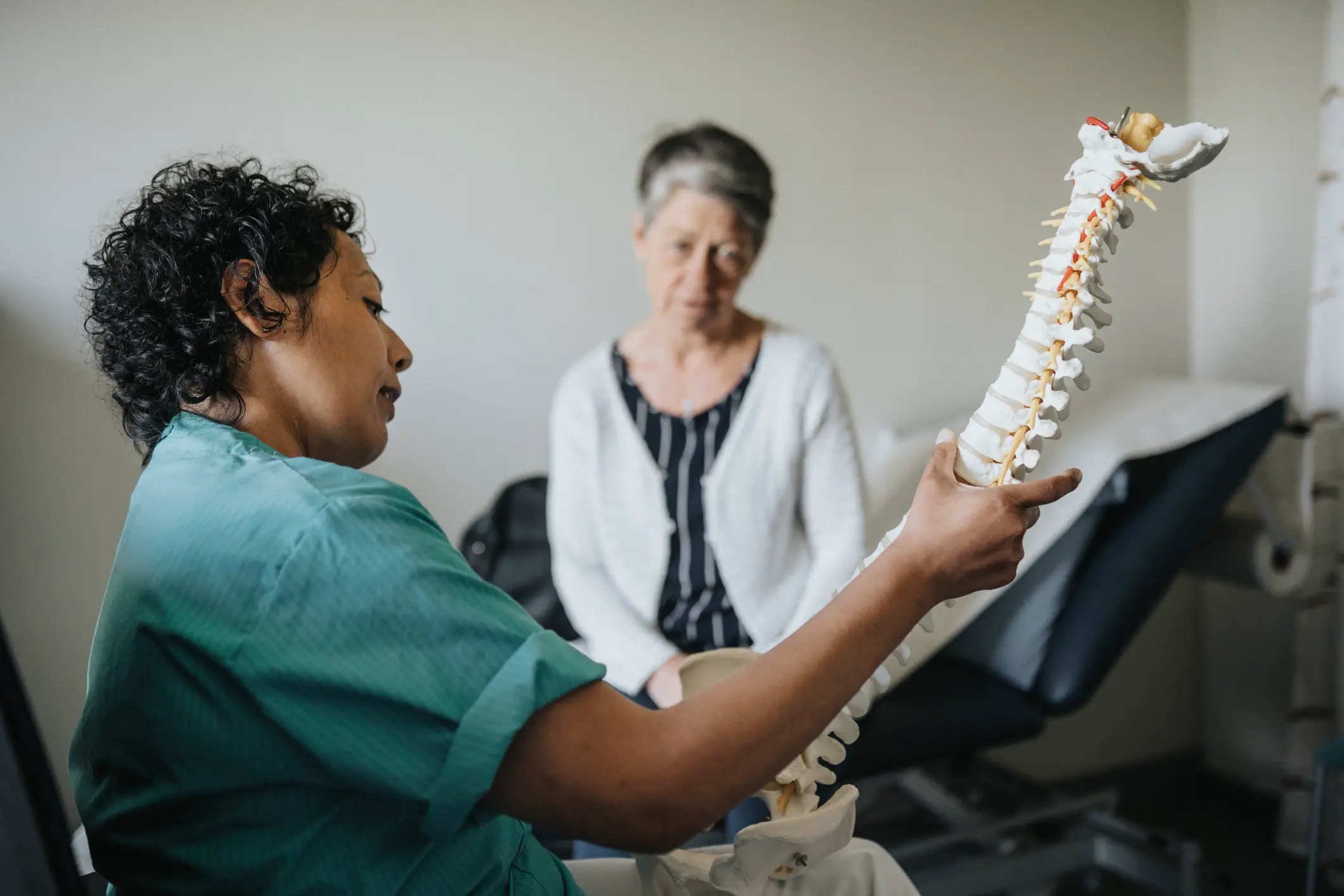
This is also known by a different name - a spinal tap.
A lumbar puncture is another procedure which involves sticking a needle between the bones in your spine
And to make it even more distressing - you actually have to be awake for this to even work. It's carried out to collect fluid from inside your spine (cerebrospinal fluid) or to administer anesthetics.
According to the Cleveland Clinic, it's used to diagnose conditions that affect your brain, nerves and spinal cord, such as meningitis, leukemia and multiple sclerosis.
Afterwards, patients can often have headaches, bleeding, swelling, as well as long-term back pain and nerve damage, which in itself can lead to losing the feeling your arms and legs, double vision, blood clots, and loss of hearing.
Open-heart surgery

This one probably doesn't come as much of a surprise.
Fortunately, open-heart surgery is completed under anesthesia, but the need to get through the ribcage to access the organ means it can take up to 12 weeks to recover.
It can impact your ligaments, breastbone, and healing of wounds, but it does get better with time.
Hysteroscopy

A hysteroscopy involves inserting a device into the womb to examine its interior, with the '-oscopy' suffix indicating that, like a 'gastroscopy' being the same but down your throat, and 'colonoscopy' being the other end.
The Cleveland Clinic explains that it can be used 'identify and treat conditions that cause abnormal uterine bleeding, heavy menstrual bleeding, irregular spotting between periods and bleeding after menopause'.
Many who have this procedure have called it 'unbearable', with the Royal College of Obstetricians and Gynecologists saying that around a third of patients rated the pain as seven out of ten or above, and advises that local or general anesthetic should be offered.
Total knee replacement

According to the American Academy of Orthopaedic Surgeons, over 700,000 total knee replacements are carried out in the US every year.
And while it's a common procedure, it can be extremely painful.
Joints in general have more that go wrong, what with there being moving parts, but with knees there's the added element that they also have to be strong enough to take your whole body weight.
To make it worse, you also need to be very proactive after surgery to make sure that you can get the benefit.
"The best thing you can do to help recover from a total knee replacement is to pre-plan," Dr Eggitt said.
"Don’t just think about painkillers but also seating, sleeping arrangements and daily activities.
"But it won't be pain free as the procedure is hugely traumatic to both bones and nerves."
Topics: News, Health, World News
 Kit Roberts