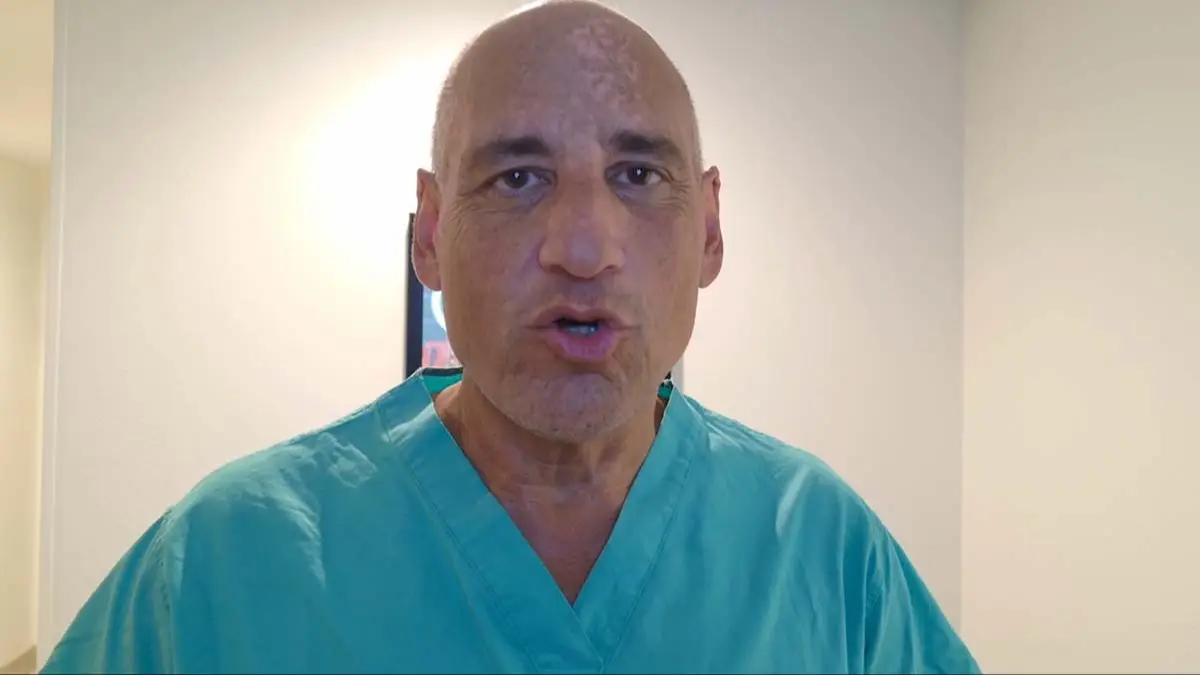
Heart surgeon issues warning for food people eat that is 'slowly destroying your heart'

Topics: US News, Health, Food and Drink
 Kit Roberts
Topics: US News, Health, Food and Drink
A heart surgeon has warned of a surprising kind of food which is making people's heart health worse in the long term.
Dr Philip Ovadia has performed thousands of operations over the course of his career, and has recently warned of foods which are 'slowly destroying your heart.'
Heart disease is the biggest killer out of any disease in the US, according to the CDC, accounting for 683,491 deaths in 2024.
Of all other causes of death the only one to even come within hundreds of thousands was cancer, with 619,876 deaths, while in third place 'accidents' accounted for 197,449.
Advert
So it's fair to say that heart disease is a big deal when it comes to public health, and preventing it could save, or at least prolong, a huge number of lives.
Diet is one of the ways that we can most easily look after ourselves, so what are these foods that Dr Ovadia warned are found in most household kitchens?
Dr Ovadia told vt.co: “This food drives insulin resistance, triggers chronic inflammation, and is slowly destroying your heart."
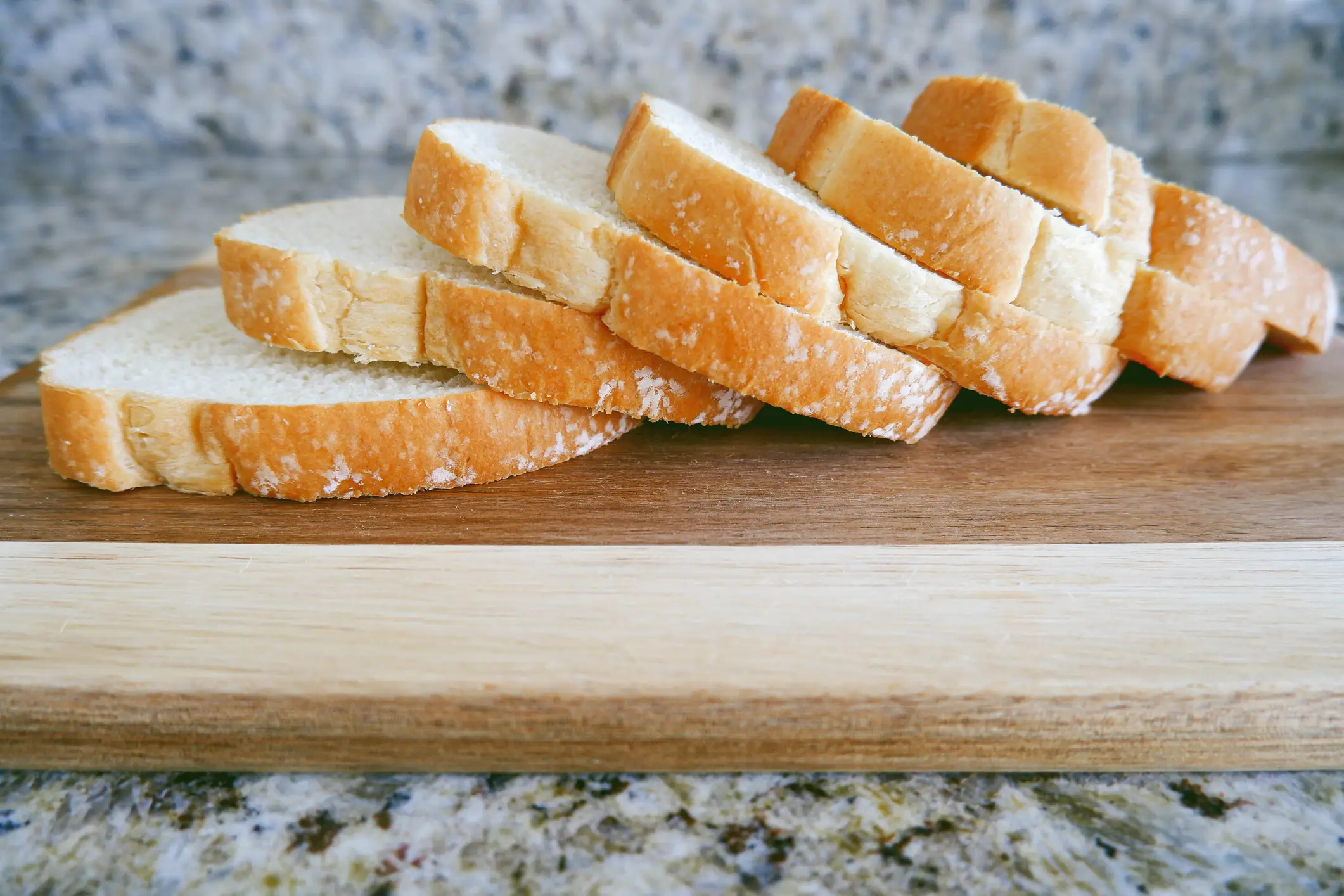
Common examples of highly processed carbohydrates include white bread, white rice, pizza dough, and most packaged breakfast cereals.
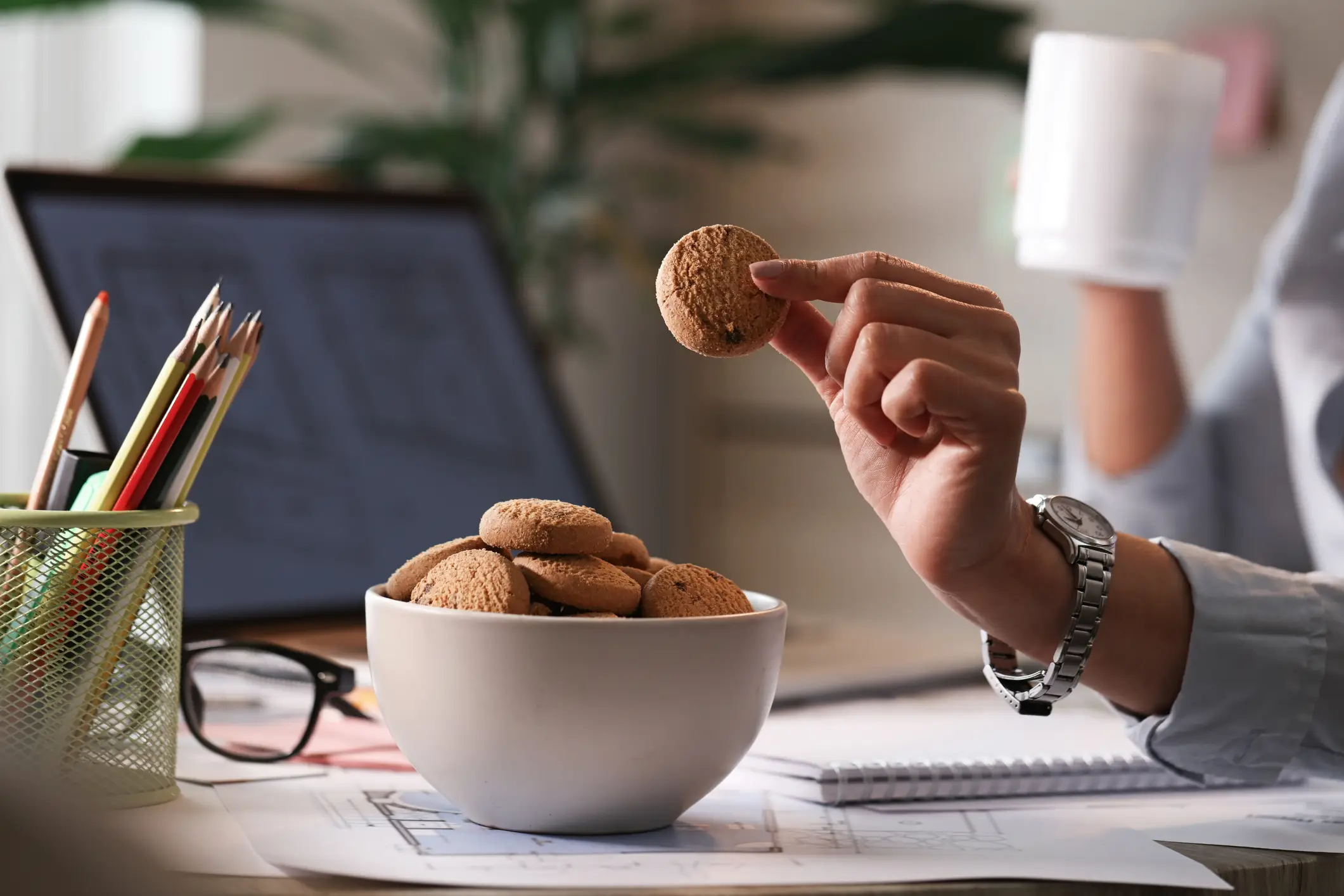
Sweet treats such as cookies, pastries and muffins are also included, as well as potato chips and sodas and sweetened drinks like iced tea.
“Even foods marketed as healthy, like low-fat granola, whole wheat bread, and rice cakes are loaded with these refined carbs,” Dr Ovadia said.
“These foods spike your blood sugar and your insulin repeatedly, they promote chronic inflammation, they drive visceral fat storage.”
Dr Ovadia explained that diets that contain a lot of processed carbs may cause a buildup of plaque, which over time can lead to heart attacks.
He said it leads to 'exactly the inflammatory environment that turns into that soft, unstable plaque I see causing heart attacks every week in the operating room'.
Dr Ovadia helpfully recommended some things to include in your diet instead of these kinds of carbs.
These include things like 'real whole foods', such as vegetables and animal proteins, as well as 'healthy fats in their natural form.'