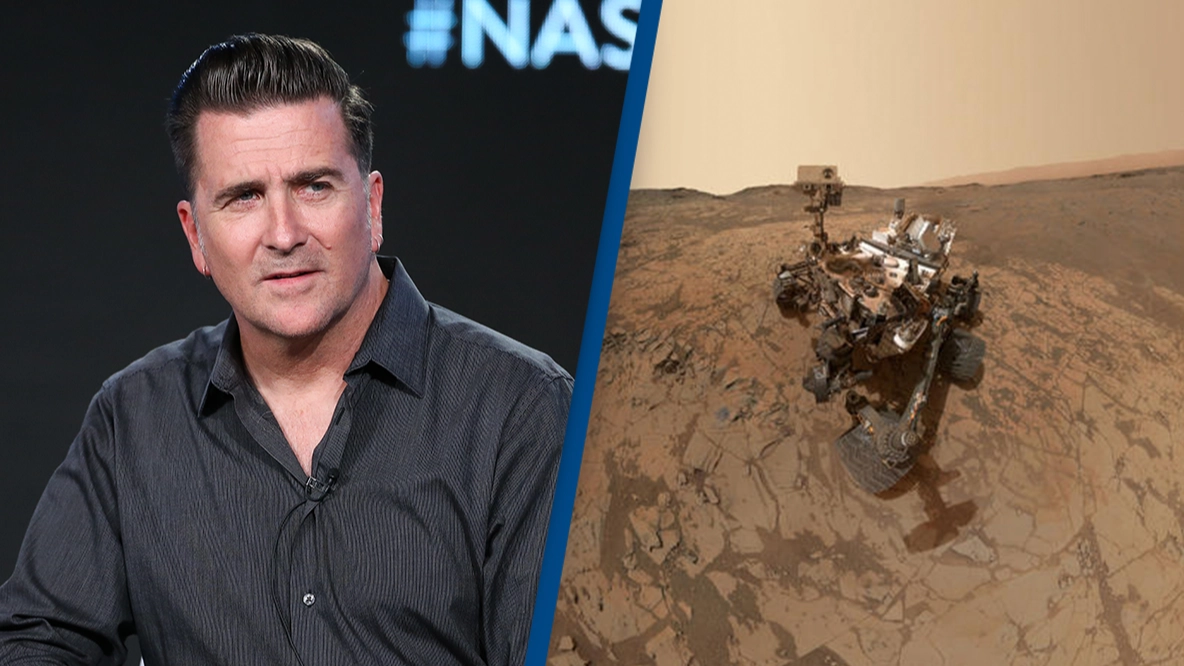
NASA reveals exactly what happened during rover's 'seven minutes of terror' landing on Mars

NASA scientists have broken down exactly what happened during the 'seven minutes of terror' when their Curiosity rover landed on the surface of Mars.
If you think parallel parking is hard, try landing a space rover the size of a small SUV on the Red Planet.
The rover was launched in an Atlas V rocket from Cape Canaveral on November 26 2011.
Advert
The mission is helping scientists work out if life could ever have been sustained on Mars, discovering the planet's Gale Crater once homed a calm lake which is now, for some reason, nothing but desert.
Using a series of complicated landing maneuvers never before attempted, Curiosity successfully touched down on August 5 2012.
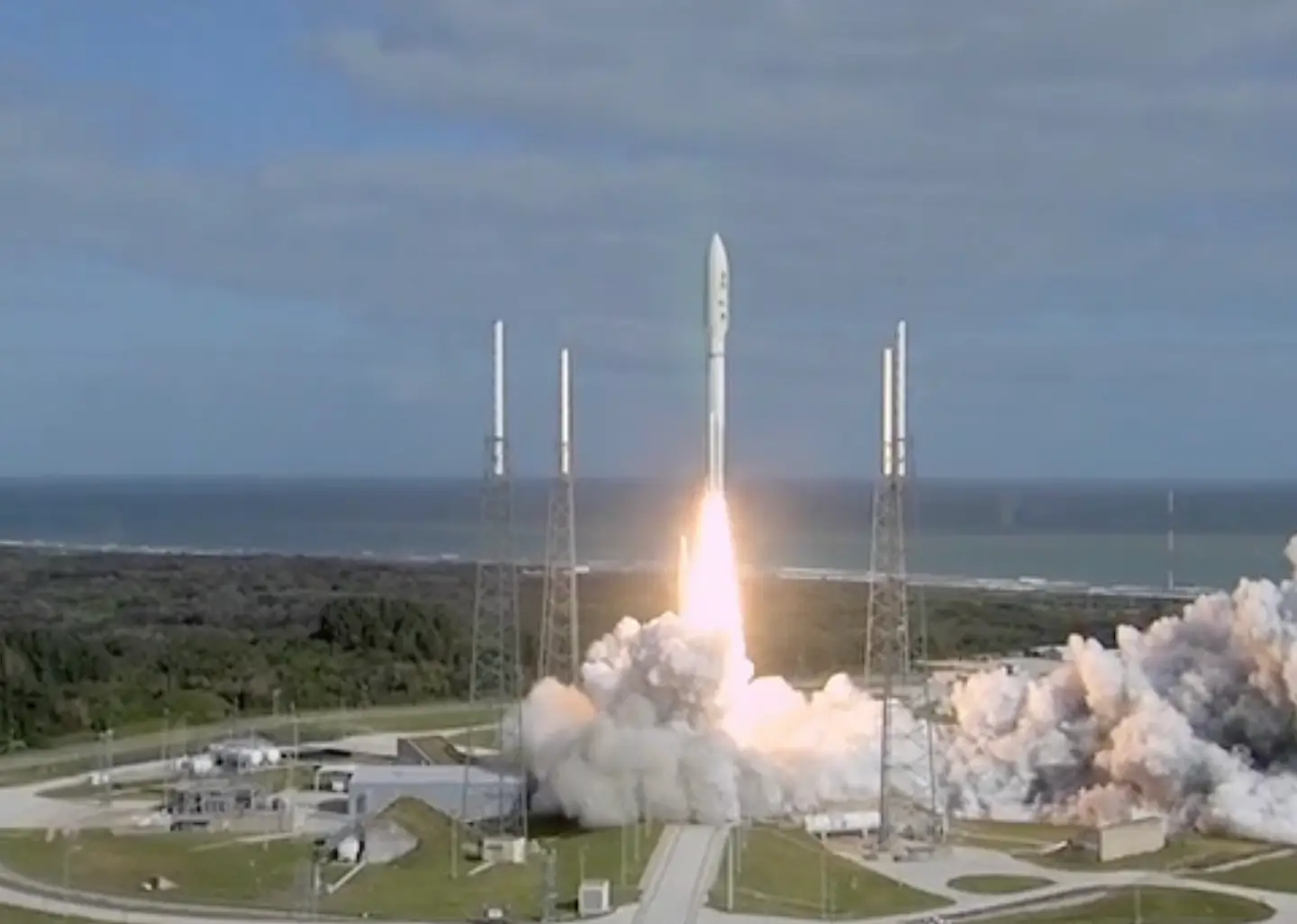
Some 12 years on, it's still going strong - largely thanks to the brilliant minds who helped it land safely.
NASA's Tom Rivellini explained how the rover's 'entry, descent and landing' earned its dramatic nickname.
He said: "We've got literally seven minutes to get from the top of the atmosphere to the surface of Mars going from 13,000 miles an hour to zero, in perfect sequence, perfect choreography, perfect timing and the computer has to do it all by itself, with no help from the ground.
"If any one thing doesn't work just right, it's game over."
There are a number of obstacles the rover faces as it prepares to land on Mars' surface.
Scientist Adam Steltzner added that as spacecraft enters Mars' atmosphere, it develops so much aerodynamic drag the vehicle's 'heat shield' heats up and 'glows like the surface of the sun' at 1600 degrees.
Then comes one of the biggest challenges of the sequence: Guiding the vehicle to land in a 'very narrow, constrained space' while the vehicle is still traveling way too fast. It was something that had never been attempted before.
Rivellini said it's 'really hard to slow down' on Mars 'because it has just enough atmosphere that you have to deal with it otherwise, it will destroy your spacecraft.'
He added: "On the other hand, it doesn't have enough atmosphere to finish the job. We're still going about 1,000 miles an hour. So at that point we use a parachute."
Engineer Anita Sengupta said the parachute is' the largest and strongest super-sonic parachute that we've ever built to date,' able to withstand some 65,000 pounds of force despite weighing only 100 pounds itself.
While the parachute travels at break-neck speed, the vehicle's heat shield needs to be removed.
NASA's Steve Lee said: "It's like a big lens cap, blocking our view of the ground to the radar. The radar has to take just the right altitude and velocity measurements at just the right time or the rest of the landing sequence won't work."
But the parachute only slows the rover down by around 200 miles an hour, which isn't slow enough to land.
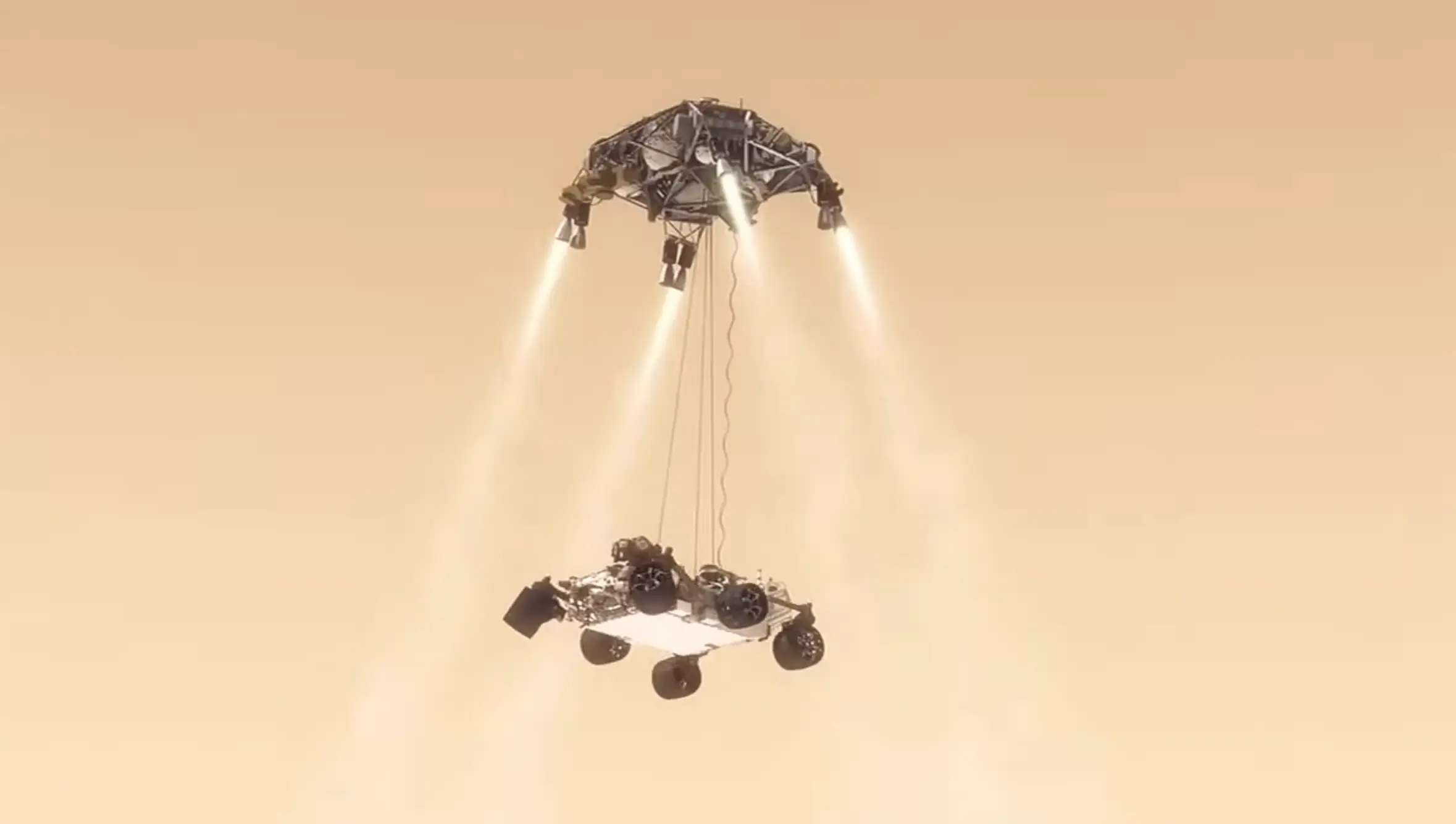
Rivellini explained: "We have no choice but we've got to cut it off! And then come down on rockets. Once we turn those rocket motors on if we don't do something, we're just going to smack right back into the parachute."
 Ellie Kemp