
• News
  • Film and TV
  • Music
  • Tech
  • Features
  • Celebrity
  • Politics
  • Weird
  • Community
  • Advertise
  • Terms
  • Privacy & Cookies
  • LADbible Group
  • LADbible
  • SPORTbible
  • GAMINGbible
  • Tyla
  • UNILAD Tech
  • FOODbible
  • License Our Content
  • About Us & Contact
  • Jobs
  • Latest
  • Topics A-Z
  • Authors
Facebook
Instagram
X
Threads
TikTok
YouTube
Submit Your Content
NASA explains best way and time to watch Orionid meteor shower and 20 shooting stars an hour

Home> Technology> Space

Updated 12:27 21 Oct 2025 GMT+1Published 12:12 21 Oct 2025 GMT+1

NASA explains best way and time to watch Orionid meteor shower and 20 shooting stars an hour

The stunning meteor shower peaks tonight

Ellie Kemp

Ellie Kemp

Featured Image Credit: VCG/VCG via Getty Images

Topics: Space, NASA, Earth, US News, Science

Ellie Kemp
Ellie Kemp

Ellie joined UNILAD in 2024, specialising in SEO and trending content. She moved from Reach PLC where she worked as a senior journalist at the UK’s largest regional news title, the Manchester Evening News. She also covered TV and entertainment for national brands including the Mirror, Star and Express. In her spare time, Ellie enjoys watching true crime documentaries and curating the perfect Spotify playlist.

X

@EllieKempOnline

Advert

Advert

Advert

NASA has offered up its top tips on catching one of the most beautiful meteor showers of the year.

Up to 20 shooting stars could light up the sky as the Orionid meteor shower peaks tonight (Tuesday, October 21).

Famous for dazzling with bright, fast-moving meteors that leave glowing trails, the Orionids travel at around 41 miles (66 kilometres) per second.

The phenomenon occurs when Earth passes through the debris trail left by Halley's Comet. Perhaps the most famous space rock, Halley's Comet, takes 76 years to orbit the Sun once.

Advert

It was last spotted in 1986 and isn't expected to enter our inner solar system again until 2061.

The meteors are named the Orionids because they appear to radiate from the constellation Orion, although they can occur anywhere in the sky.
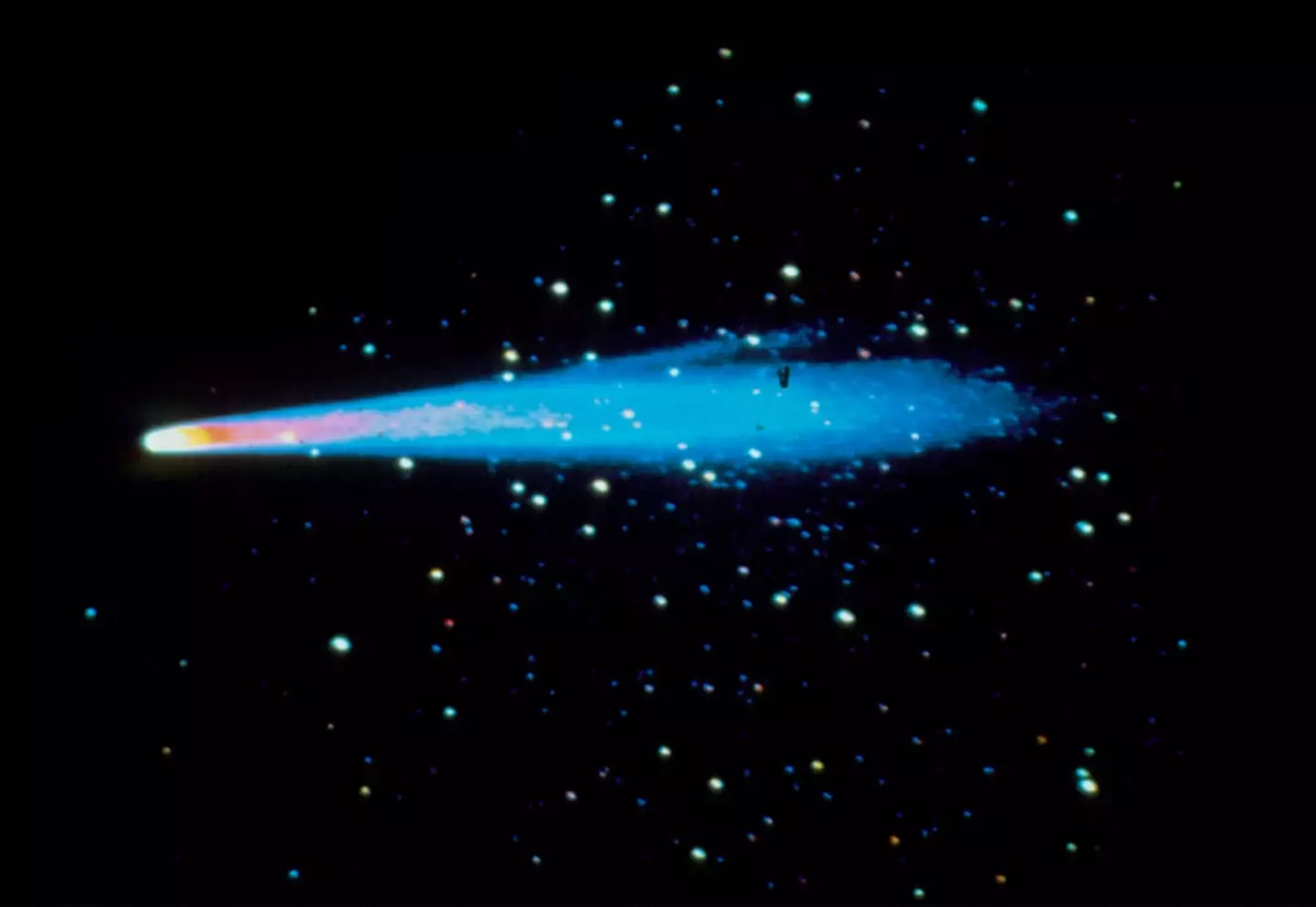
The Orionids originate from Halley's Comet, captured here by Soviet Probe Vega in 1986 (Liaison/Getty Images)

As tiny bits of dust and rock hit our atmosphere, they burn up, creating streaks of light known as meteors or shooting stars.

Advert

NASA explains that at its peak, up to 20 meteors will be in the sky at once. Fast-travelling meteors can also turn into fireballs, unusually bright streaks in the sky.

This time, there’ll be no moonlight to spoil the show - unlike August’s Perseid shower - so stargazers should enjoy an uninterrupted view.

Depending on the weather where you are, that is...

The US space agency has shared its advice on viewing the Orionids - so take note.
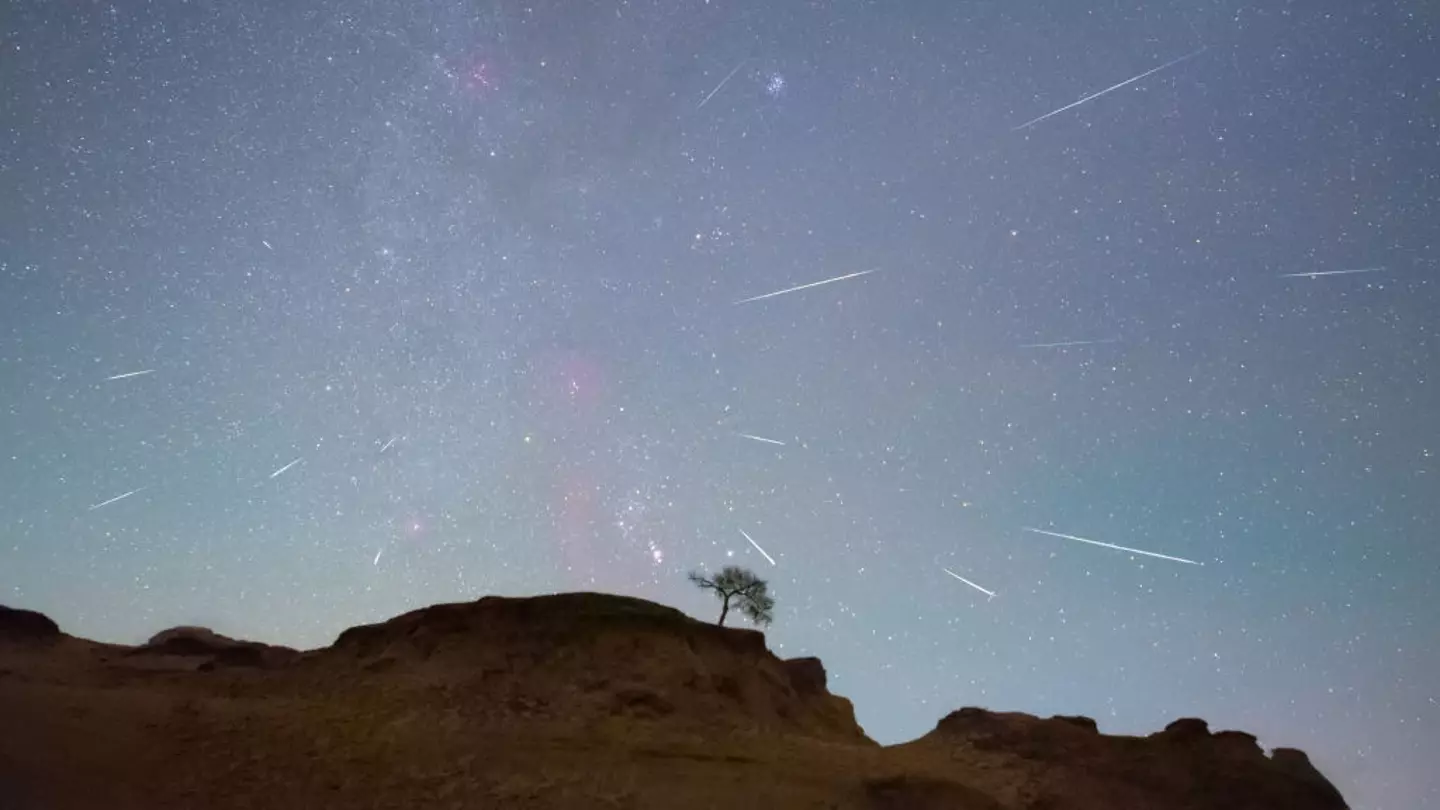
When is the best time to catch the Orionid meteor shower?

Up to 20 Orionids an hour could be visible in the night sky (Costfoto/Future Publishing via Getty Images)

Advert

The meteor shower lasts from September 26 to November 22 but peaks tonight (October 21). So, if you want to catch a glimpse, now is your time.

NASA reckons we'll get the best views before midnight to around 2 a.m. However, the space agency further explains that it takes 30 minutes for your eyes to adjust to the dark, so take that into account before you start heading outside.

The show will last 'until dawn,' NASA adds; so don't worry too much if you don't catch any magic right away.

Again, we have October's new moon to thank for better visibility. As the Orionids peak, the moon will be between the Earth and the Sun, making it dark and invisible to us and leaving the meteors to light up the night.

Advert

"With a moonless sky, you're much more likely to catch a fireball careening through the night," NASA says.
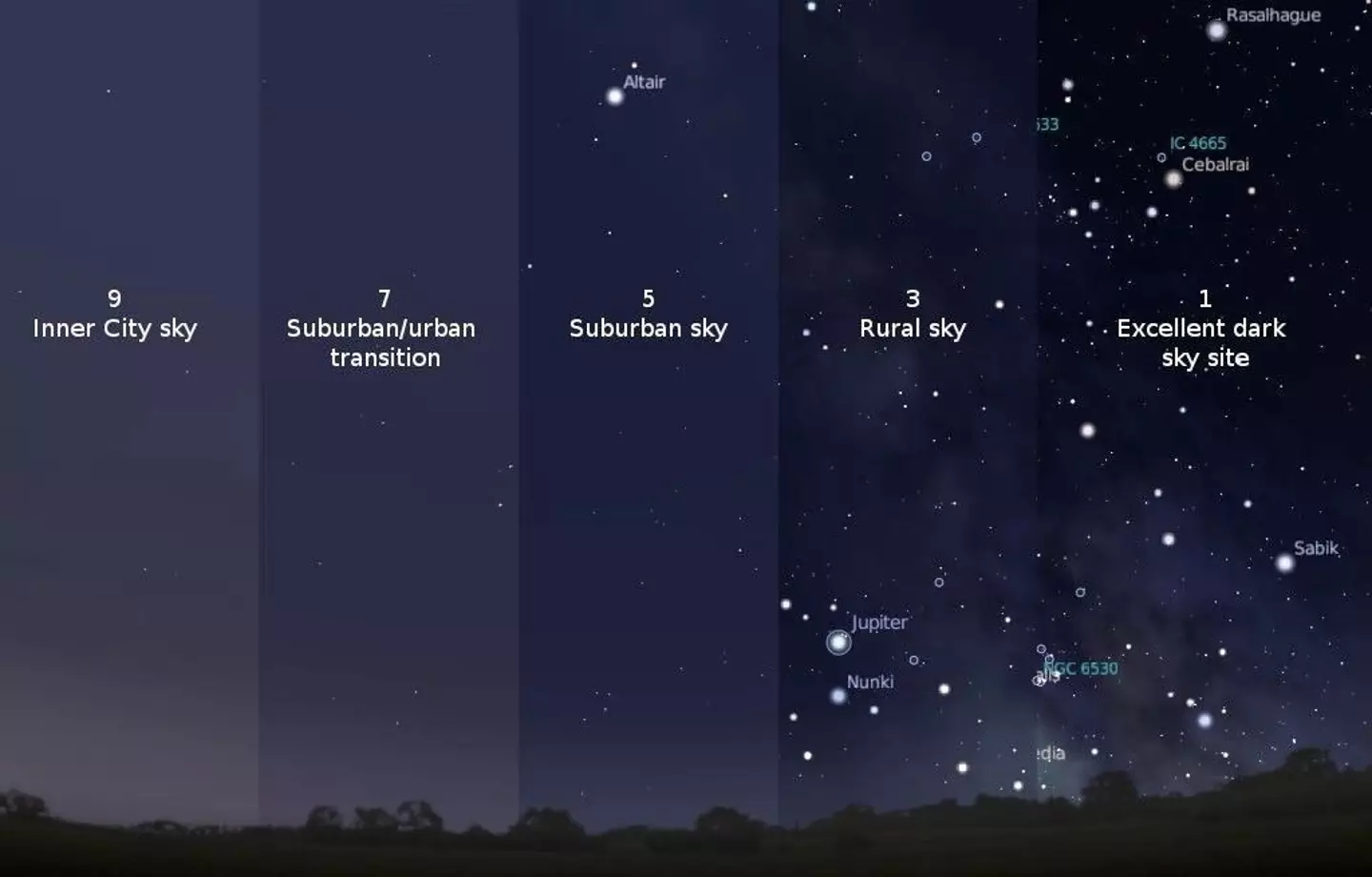
NASA's viewing tips

Light pollution can block our view of the meteors (International Dark Sky Association/NASA)

NASA recommends finding a rural area, away from cities and street lights, to set up camp.

Advert

To get the best view, lie flat on your back. If you're in the Northern Hemisphere (the US and the UK), make sure your feet are facing southeast.

Face northeast if you're in the Southern Hemisphere (Australia and New Zealand).

Finally, use the Bortle Scale - which helps stargazers to know how much light pollution is in the sky where they observe - to look for sky conditions rated Class 3 or 4 for a good view.

The darker, the better.

Choose your content:

5 hours ago
6 hours ago
2 days ago
3 days ago
  • Getty Images/Eugene Gologursky
    5 hours ago

    What Amazon has said about 'largest downsizing in history' as 30,000 reported to lose jobs

    The move is expected the make the $2.42 trillion company 'even stronger'

    Technology
  • Mateusz Slodkowski/SOPA Images/LightRocket/Getty Images
    6 hours ago

    Expert reveals how to prevent security breaches as 183 million Gmail users have passwords stolen

    Millions of passwords were stolen as part of the breach

    Technology
  • NASA
    2 days ago

    Terrifying update on mysterious object aiming at Earth that Harvard scientist claims is 'not natural'

    3I/ATLAS was spotted in July, and scientists don't know what it is

    Technology
  • NASA
    3 days ago

    NASA takes major steps to protect Earth from mysterious 'Manhattan-size' comet

    An astute scientist has claimed the comet could be a mothership for an advanced alien life-form, sent to 'do a recon of Earth'

    Technology
  • Mysterious smouldering object lands in Australian Outback as experts give theories on what it could be
  • Scientists discover interstellar object the size of Manhattan producing never-before-seen material
  • 'Stranded' NASA astronauts finally reveal terrifying truth behind what really happened to ship in space
  • NASA telescope made terrifying planet discovery where it rains glass at 4,300 miles per hour