unilad homepage
unilad homepage
    • News
      • UK News
      • US News
      • World News
      • Crime
      • Health
      • Money
      • Sport
      • Travel
    • Music
    • Technology
    • Film and TV
      • News
      • DC Comics
      • Disney
      • Marvel
      • Netflix
    • Celebrity
    • Politics
    • Advertise
    • Terms
    • Privacy & Cookies
    • LADbible Group
    • LADbible
    • SPORTbible
    • GAMINGbible
    • Tyla
    • UNILAD Tech
    • FOODbible
    • License Our Content
    • About Us & Contact
    • Jobs
    • Latest
    • Archive
    • Topics A-Z
    • Authors
    Facebook
    Instagram
    X
    Threads
    TikTok
    YouTube
    Submit Your Content
    Horrifying simulation shows how a human body implodes in the deep ocean

    Home> Technology> News

    Published 17:55 7 Jun 2024 GMT+1

    Horrifying simulation shows how a human body implodes in the deep ocean

    A harrowing simulation shows what happens to the body at 3,800 meters below sea level

    Niamh Shackleton

    Niamh Shackleton

    google discoverFollow us on Google Discover
    Featured Image Credit: Reddit

    Topics: Titanic, Life, Health

    Niamh Shackleton
    Niamh Shackleton

    Niamh Shackleton is an experienced journalist for UNILAD, specialising in topics including mental health and showbiz, as well as anything Henry Cavill and cat related. She has previously worked for OK! Magazine, Caters and Kennedy.

    X

    @niamhshackleton

    Advert

    Advert

    Advert

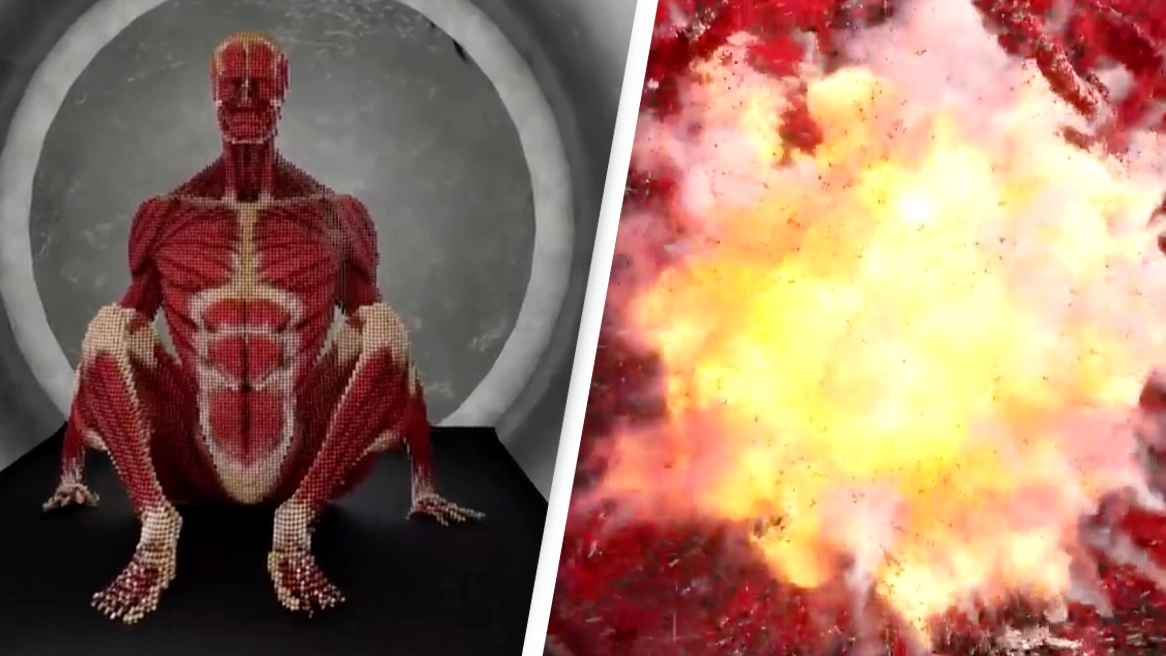
    A horrifying simulation shows just what would happen to your body if you were to end up 3,800 meters under water.

    For most people, diving around 40 meters below sea level is seen as safe; but going underwater in an capacity can pose some element of danger.

    Going just 20 meters down, water pressure is around three times that of the surface - so you can only imagine what it would feel like to be thousands of meters down.

    As it's pretty unimaginable, a simulation was created to show what's likely to happen to your body if you go almost 4,000 meters below sea level.

    Advert
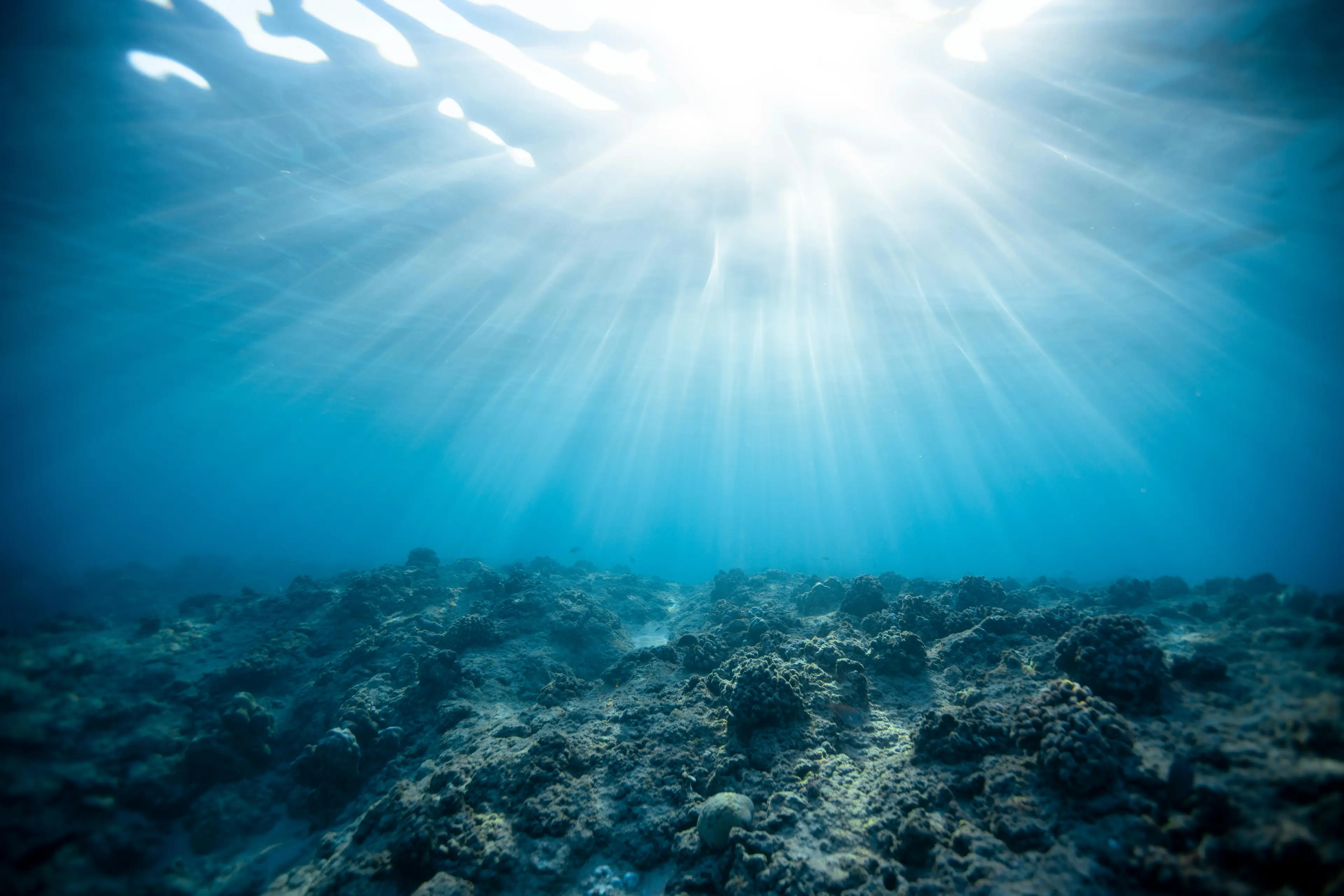
    Going too deep underwater can be fatal for humans. (Jeremy Bishop/Pexels)
    Going too deep underwater can be fatal for humans. (Jeremy Bishop/Pexels)

    The simulation was created to showcase what the passengers on the OceanGate's Titan submersible experienced last year.

    All five people on the Titanic-bound submarine died in June 2023; the youngest being only 19 years old.

    The victims went on to be named as 58-year-old Hamish Harding, 48-year-old Shahzada Dawood and his 19-year-old son Sulaiman Dawood, Paul-Henry Nargeolet and OceanGate CEO Stockton Rush.

    At around 3,500 meters underwater, the submarine lost contact with the surface.

    At this point, the vessel was so deep that the amount of water on it would have been equivalent to the weight of the Eiffel Tower, reported BBC News.
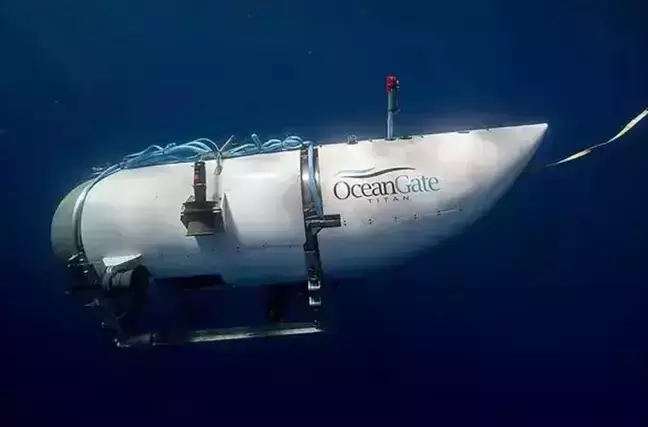
    Titan suffered a 'catastrophic implosion', which killed all the passengers onboard. (OceanGate/Becky Kagan Schott)
    Titan suffered a 'catastrophic implosion', which killed all the passengers onboard. (OceanGate/Becky Kagan Schott)

    While the submarine was supposed to be equipped to handle the enormous water pressure, it was reported at the time of the heartbreaking ordeal that the vessel's hull collapsed.

    As a result, both the submersible and those inside it imploded.

    In regards to what happens to a person that far below the ocean's surface, it would quite literally crush you.

    The lungs would collapse and the blood vessels would burst, leading to internal bleeding.

    Apparently this would be fatal 'in minutes' and the body's tissues would be crushed.

    According to one expert, the Titan passengers' deaths will have been 'sudden'.


    Dr. Dale Molé, the former director of undersea medicine and radiation health for the US Navy, explained to the Daily Mail last year: "It would have been so sudden, that they wouldn't even have known that there was a problem, or what happened to them.

    "It's like being here one minute, and then the switch is turned off. You're alive one millisecond, and the next millisecond you're dead."

    Molé continued: "They would have been ripped to shreds. An implosion is when the wave of pressure is inward, whereas an explosion is when the pressure wave or the shock wave goes out from whatever the source of that is."

    Choose your content:

    9 hours ago
    13 hours ago
    2 days ago
    7 days ago
    • Christopher Willard/Disney via Getty Images
      9 hours ago

      Shark Tank star Lori Greiner issues warning over hidden Gmail setting and reveals how to disable it

      Lori Greiner has warned 1.8 billion Gmail users about a setting that allows access to their private emails

      Technology
    • Getty Stock
      13 hours ago

      Every country where ChatGPT is banned and why

      One in eight people on the planet can't access ChatGPT - and their governments want to keep it that way

      Technology
    • Getty Stock Images
      2 days ago

      Man who used AI to apply to 1,000 jobs while he was sleeping woke up to mind blowing results

      Work smart, not harder has taken on a whole new meaning

      Technology
    • Justin Sullivan/Getty Images
      7 days ago

      OpenAI names 22 industries at risk of job losses as it proposes four day week

      Two new reports suggest AI might be coming for your job - but you could also get a three day weekend

      Technology
    • Simulation shows exactly what happens to your body after smoking weed as users warned of horrifying new side effect
    • Terrifying simulation shows exactly what happens to your body when smoking
    • Woman diagnosed with OCD believed she was dead and living in the afterlife
    • Chilling simulation shows how people actually develop cancer and it's left viewers horrified