
Featured Image Credit: Getty Stock

Topics: Health, Technology, Science
 Niamh Shackleton
A brain surgeon has revealed the way wireless devices can impact your health, and it's unlikely that you had any idea about it.
In the 1970s, Dr. Robert O. Becker expressed his concerns about something known as EMFs (man-made electromagnetic fields that are invisible areas of energy, or radiation, that are produced by electricity).
The Nobel Peace Prize-winner appeared on 60 Minutes and blew the whistle of the apparent harms of EMFs. On the investigative program, they delved into the US Navy’s massive electromagnetic submarine communication system, which was based on extremely low frequency (ELF) waves that nowadays used for many everyday items of tech.
Becker, an American orthopedic surgeon and researcher in electrophysiology/electromedicine, was part of the Navy's biological studies and found that animals exposed to ELF in studies grew more slowly and showed signs of biological stress, per Economic Times.
Advert
Meanwhile, in some human trials, participants showed elevated blood lipids, which is an early marker for cardiovascular disease.
He was asked on 60 Minutes if these electromagnetic fields can cause strokes and heart disease in people, and he simply replied 'yes'.
Becker was ultimately canceled for blowing the whistle, and now fellow brain surgeon Dr. Jack Kruse has since backed Becker's findings and also voiced the harms of EMFs, Bluetooth being one example.
Speaking to Danny Jones on his podcast, Kruse said he sees Becker as his mentor since they share a similar view on EMFs.
Discussing 'non-native EMFs', Kruse gave examples and said that wireless technology, blue light screens, fluorescent bulbs, and microwaves were some.
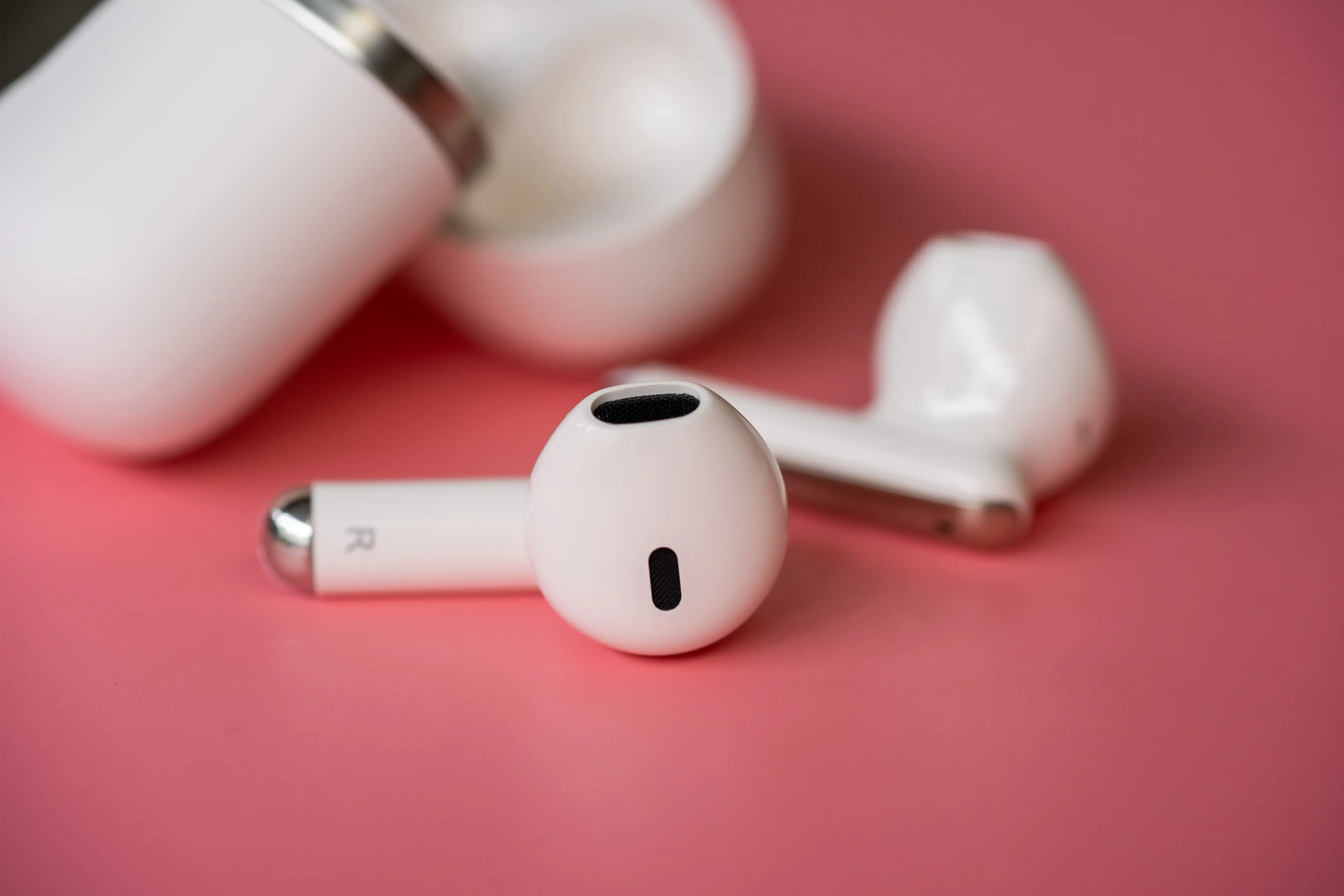
"All of this s**t has biological effects," Kruse went on to share. "I don't care what it is. You put [Bluetooth headphones] in your ear– dude, that's the stupidest thing you'll ever do."
Jones responded by saying he'd recently ditched his wireless earbuds for wired ones, but Krause insisted that they're not great either.
"You're still getting jump conduction in your ear, which will bring you to my work," said the expert. "My work is the next level of Becker."
Becker and Kruse aren't the only ones to have expressed concerns about EMFs.
An appeal launched on Medium in 2015 saw 247 scientists from 42 countries express their concern about the health effects associated with exposure to EMFs.
In the appeal, they said that exposure to EMFs can increase a person's risk of cancer, genetic damage, neurological disorders, learning and memory deficits, and reproductive issues, as per Healthline.
The large group of scientists went on to call on the World Health Organization to bring in stricter regulations on EMF exposure from wireless devices.
Other experts point out that Bluetooth headphones actually expose you to less radiation than if you held your phone up to your ear for a phone call.
Joel M. Moskowitz, the director of the Center for Family and Community Health at University of California, says people should make sure to keep their phone at least 10 inches away from their face.
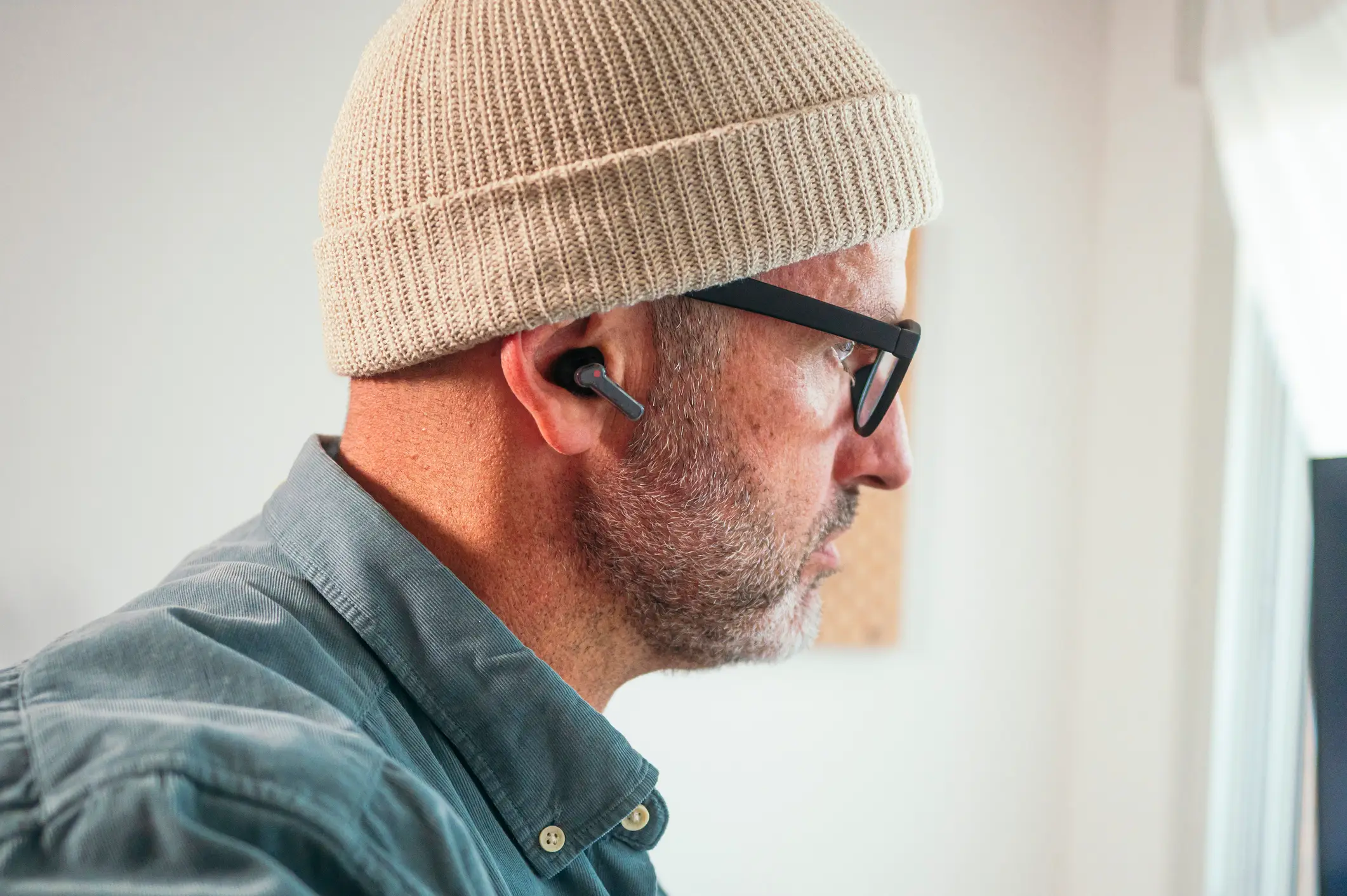
Dr Santosh Kesari, a neuro-oncologist, told Healthline that anyone who's worried should use speakerphone on their mobile whenever possible, and try and avoid having wireless headphones in for hours a day when listening to music or podcasts.
Other experts have downplayed the dangers of Bluetooth headphones.
Dr Adam Kaufman, an Ear, Nose, and Throat Specialist, told CBS News: "X-rays, and things like that, damage DNA and cause significant issues, like cancer, but the non-ionizing radiation, like microwaves, cellphones, Bluetooth, they can't.
"To reaffirm that, while earbuds and Bluetooth devices are 'new,' cellphones are not, and the amount of electromagnetic radiation and exposure from cellphones are specifically higher, and there's never been any evidence that cellphone use is linked to any form of cancer."